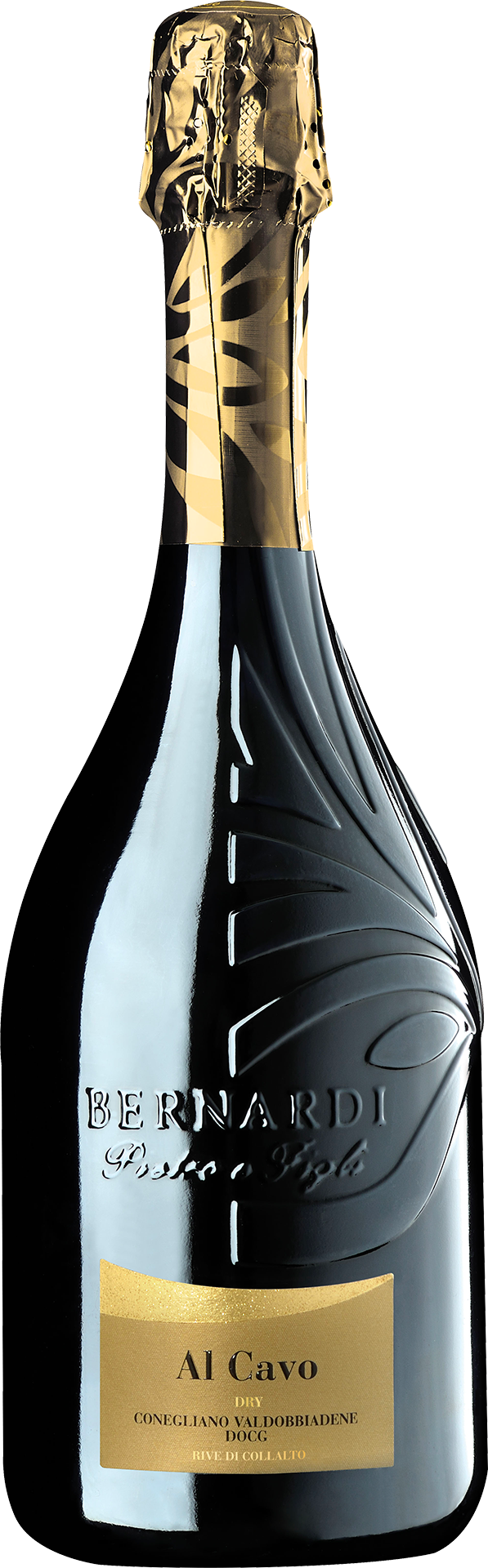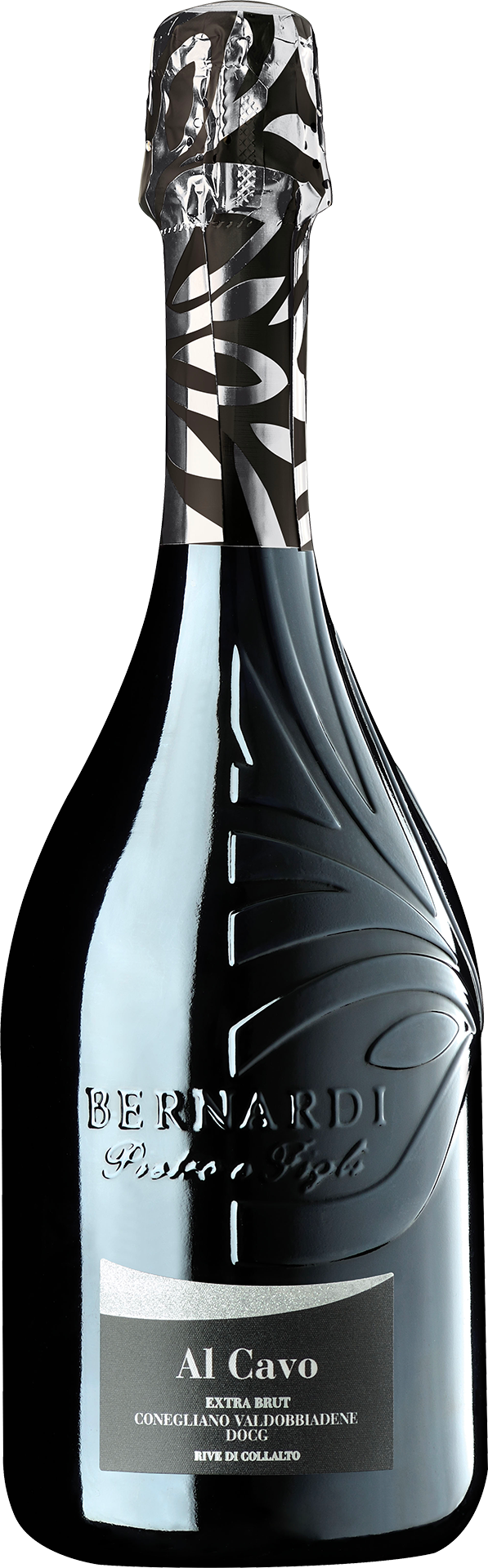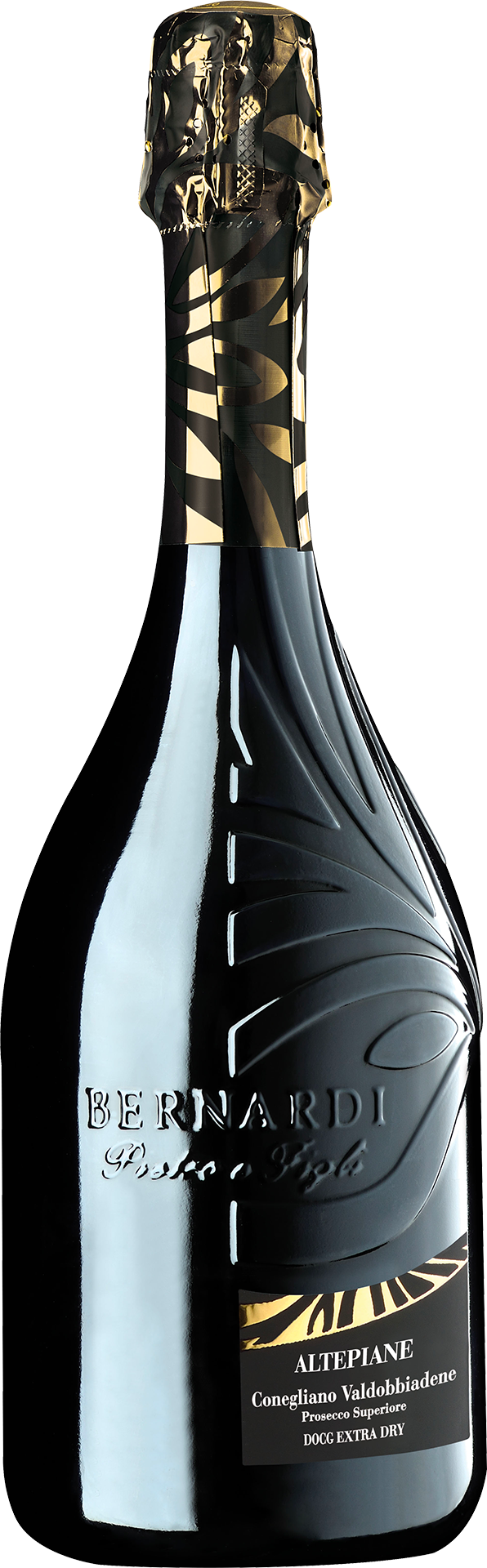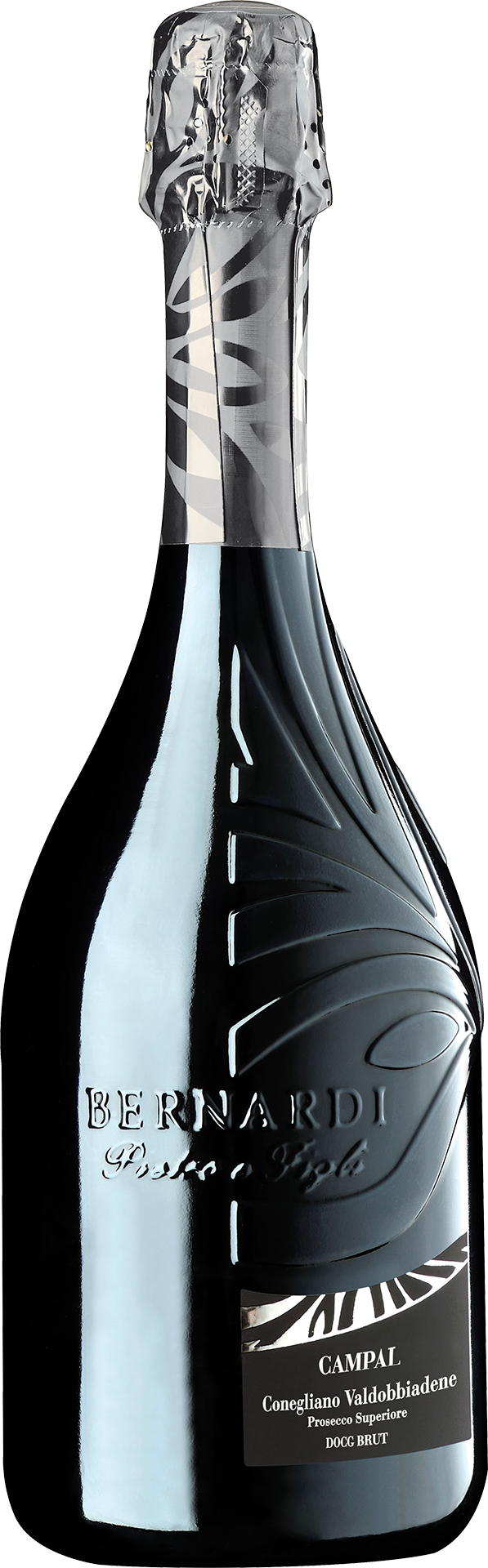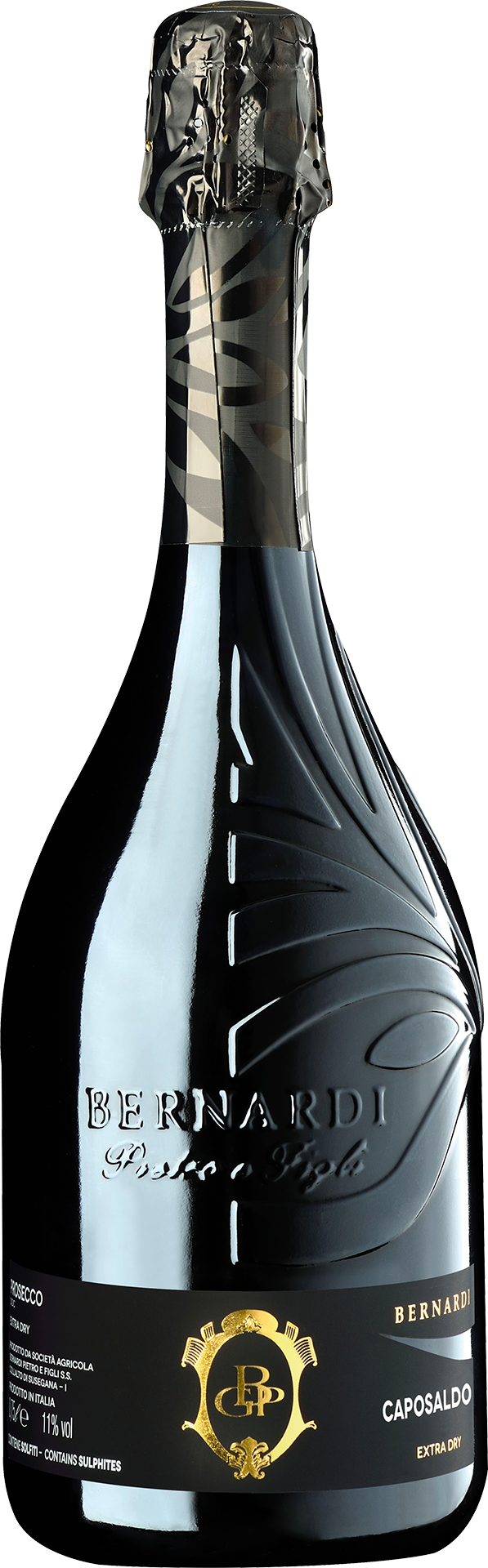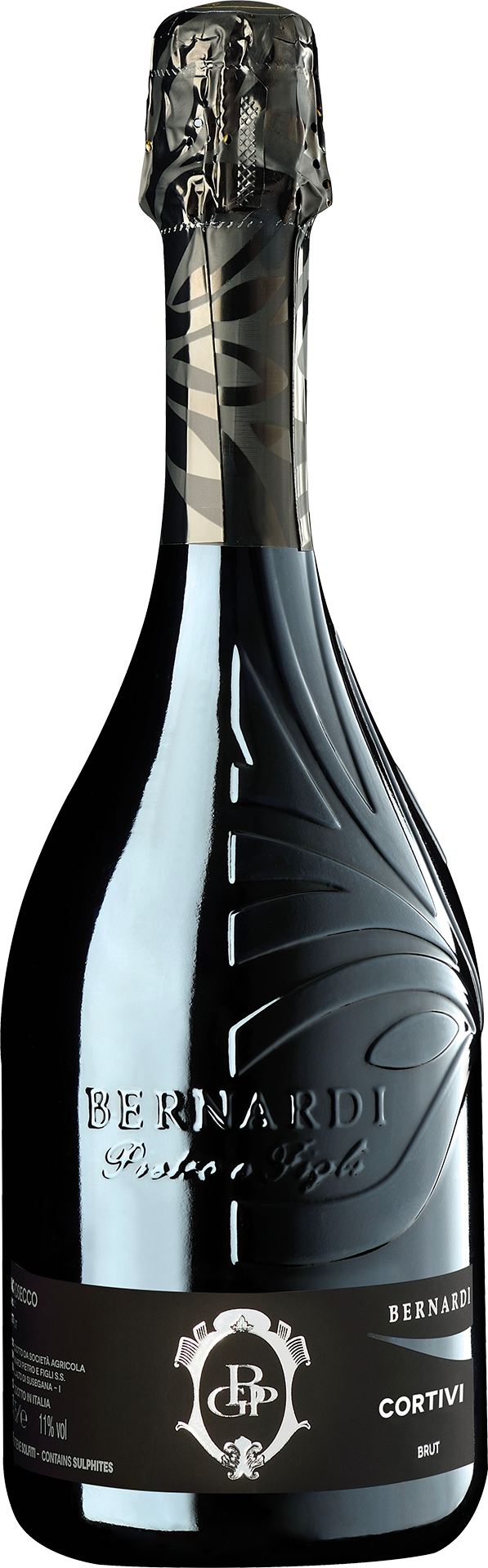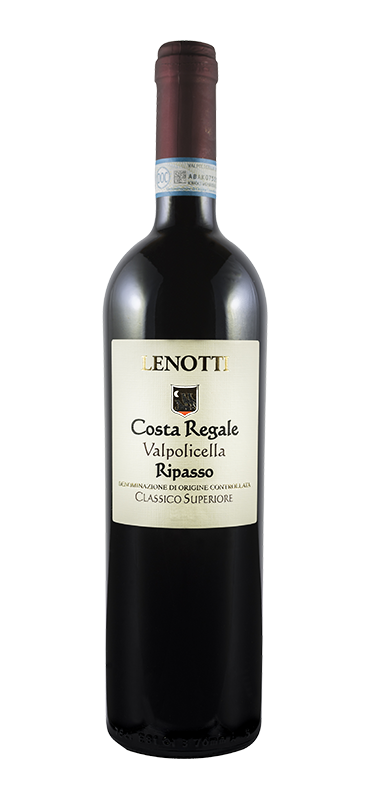


Veneto stretches from Lake Garda across to the Friulian border, taking in the provinces of Verona, Vicenza, Padova, Treviso and Venezia. It regularly produces more wine than any other Italian region, a figure driven overwhelmingly by Prosecco, but volume is a poor guide to what is here.
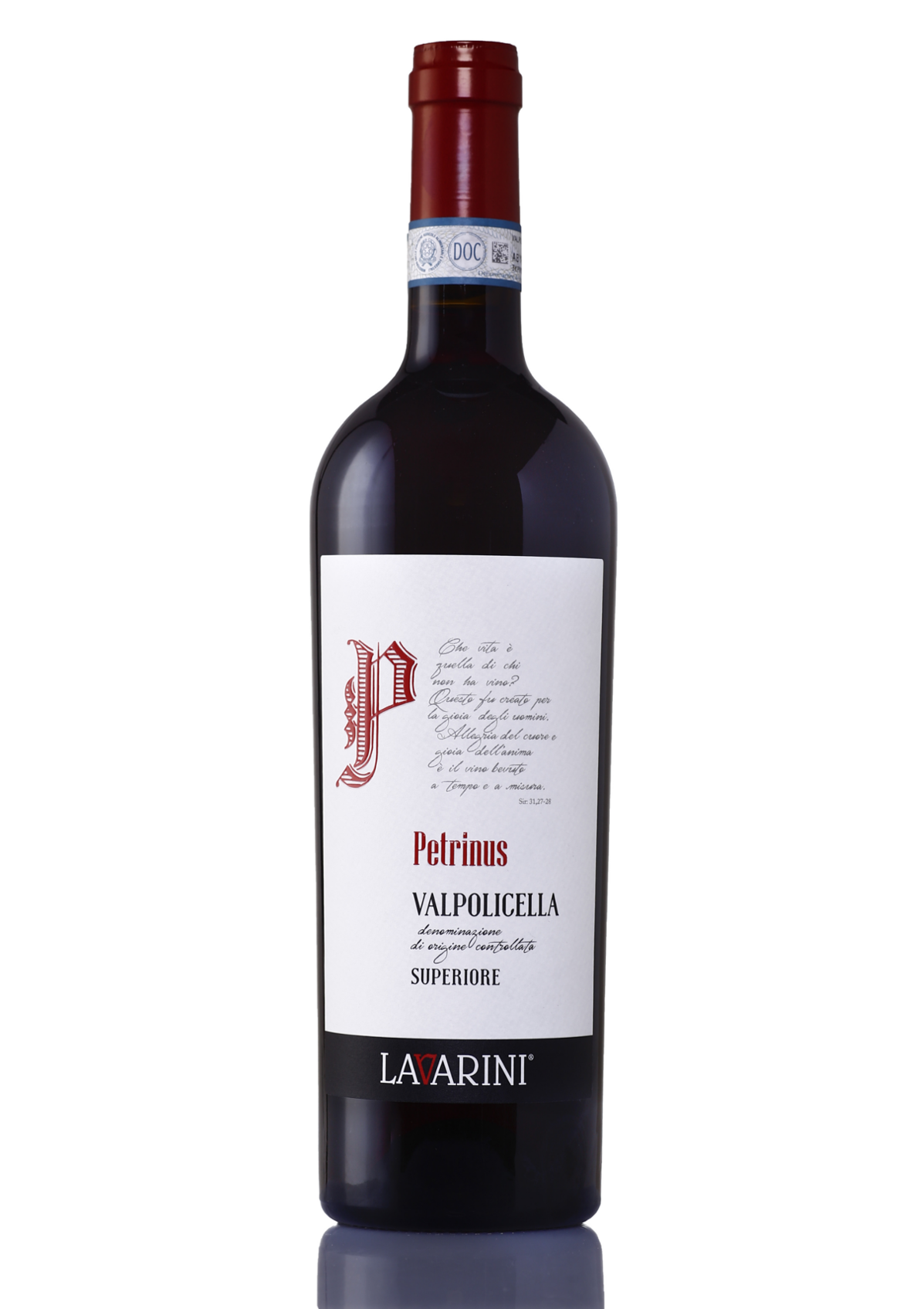
Three landscapes matter. Around Verona sit Valpolicella and its dried-grape wines, Soave on volcanic soils to the east, and Bardolino along the lake. North of Treviso are the steep Prosecco hills of Conegliano and Valdobbiadene. Between and around them lie Lugana on the southern shore of Garda, Custoza, and the volcanic Colli Euganei south of Padova.
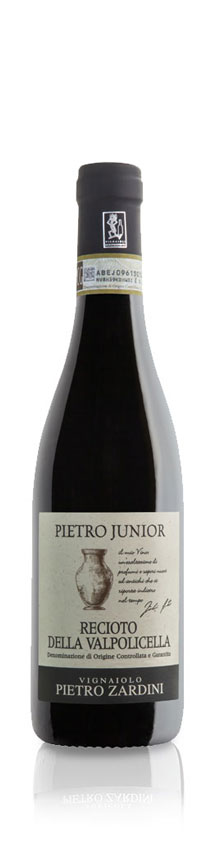
The region's signature technique is appassimento, the drying of grapes before fermentation, which produces Amarone and Recioto and, indirectly, Ripasso. Nowhere else in Italy is it practised at this scale, and it shapes how the whole province thinks about concentration.
The white to know is Soave: Garganega grown on the black volcanic soils around Monteforte d'Alpone and Soave itself, capable of an almondy, saline seriousness that its reputation as cheap restaurant white has never quite caught up with.