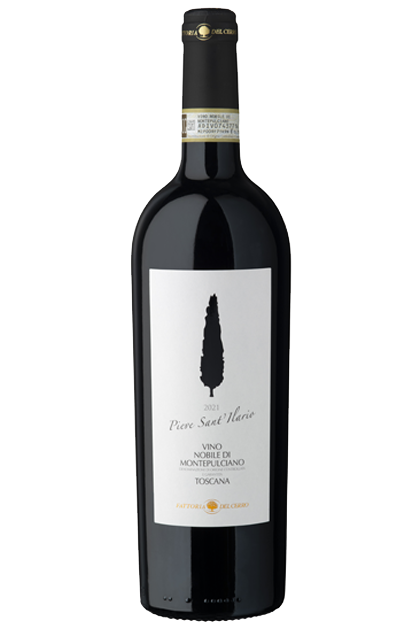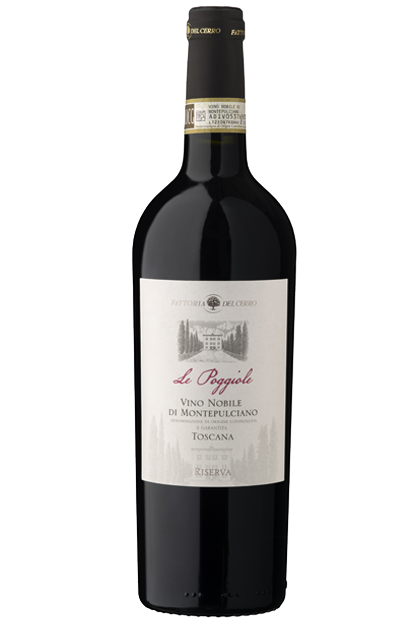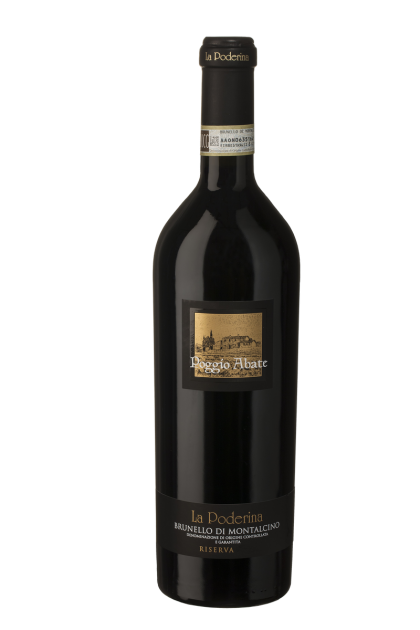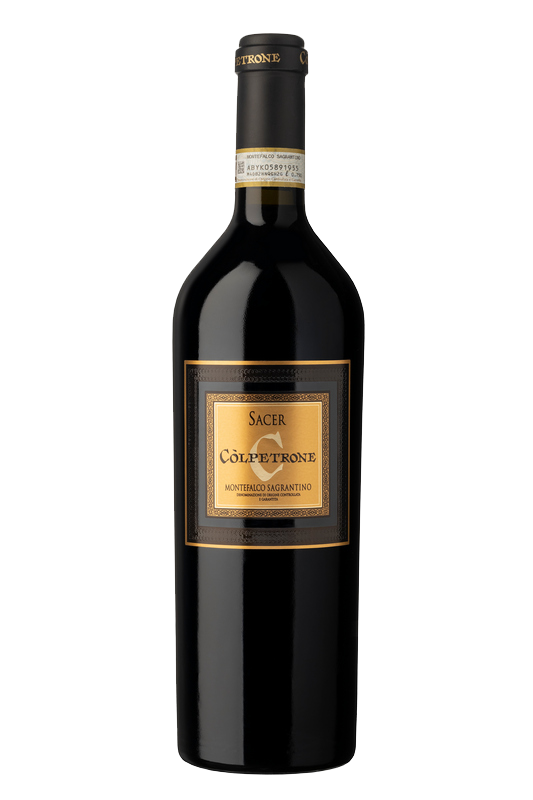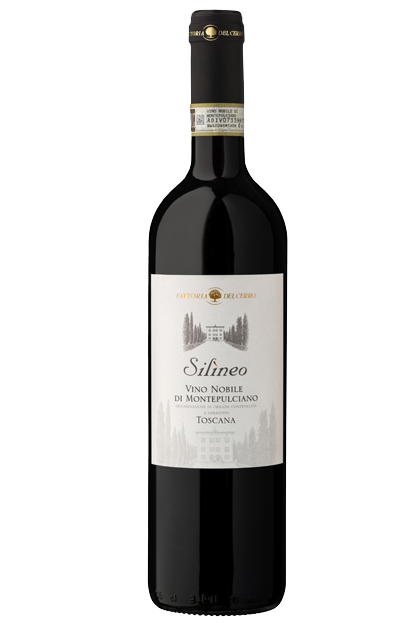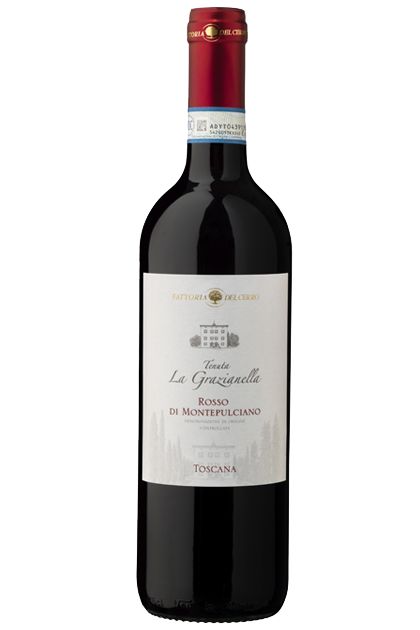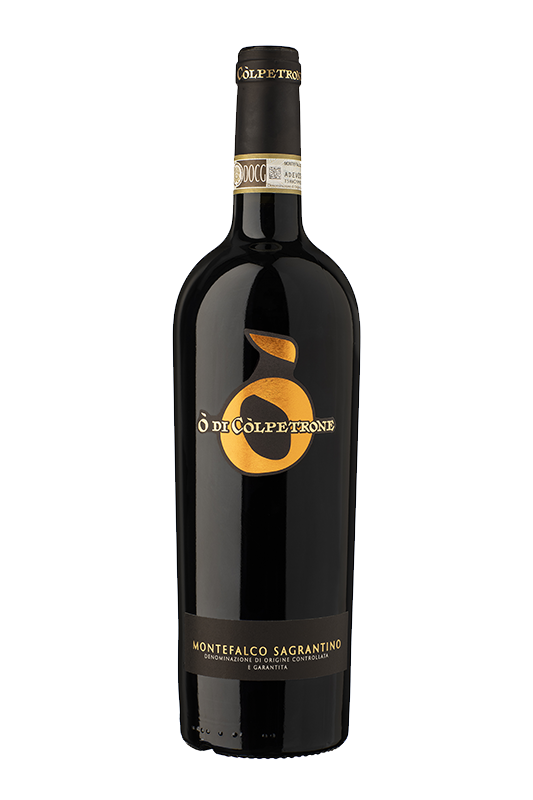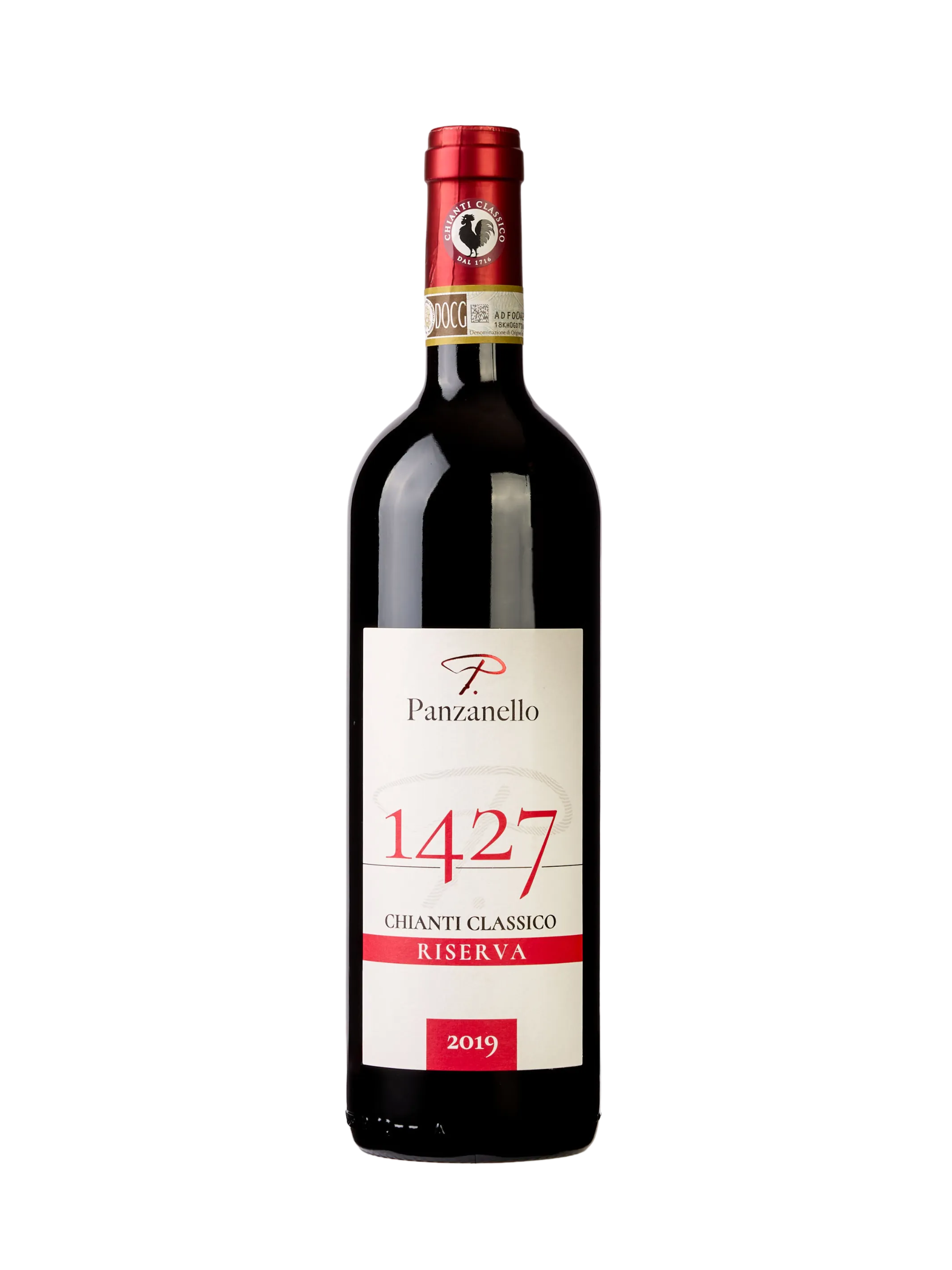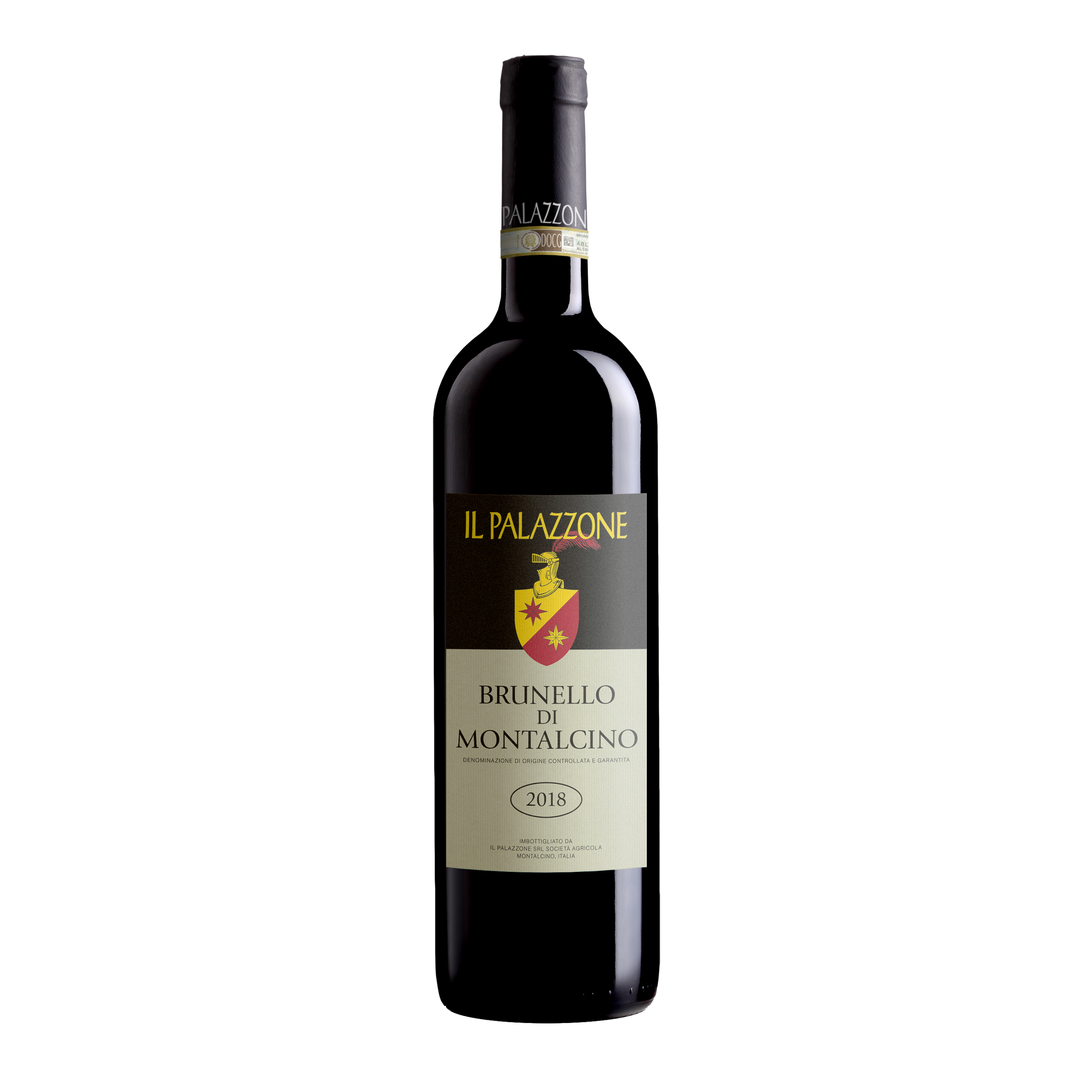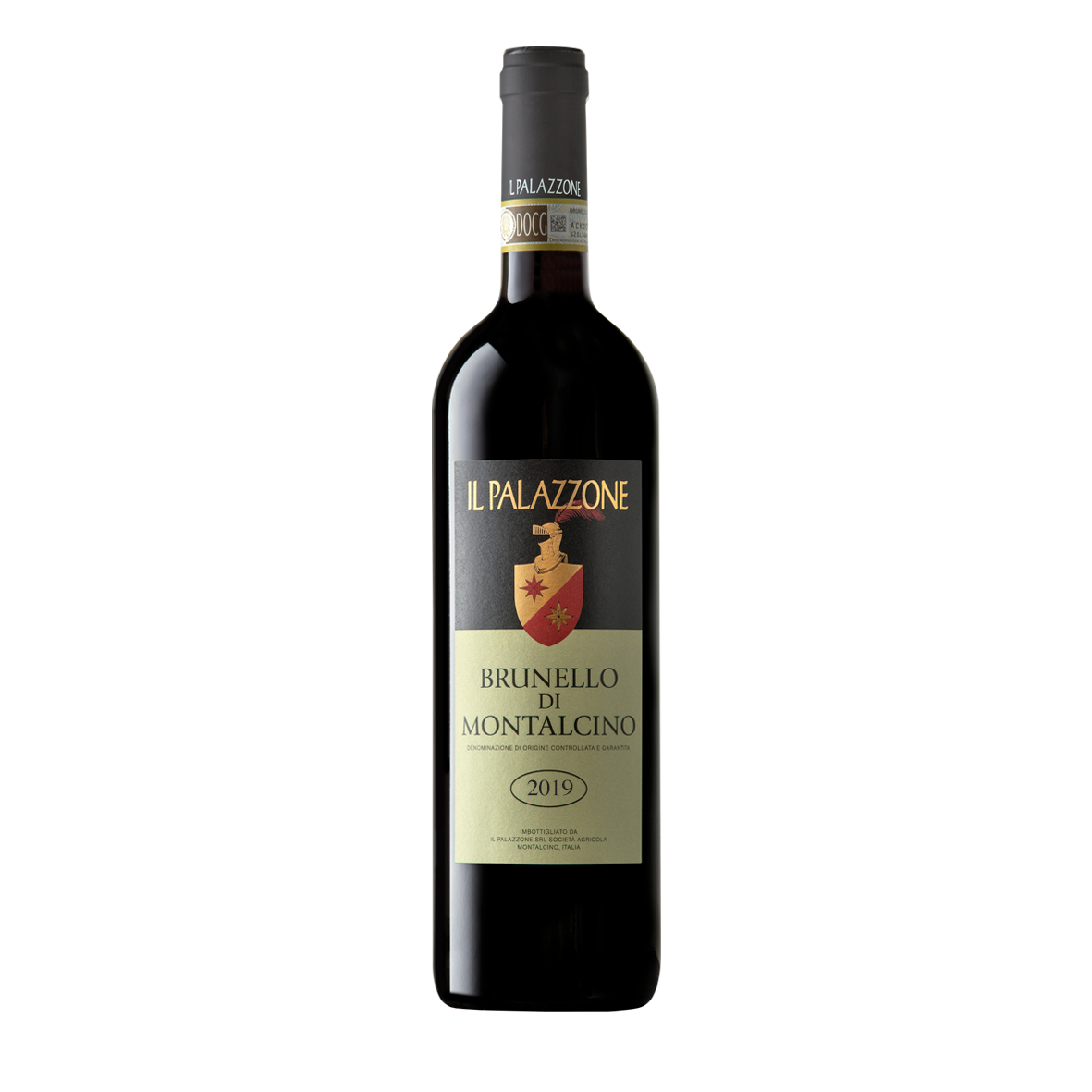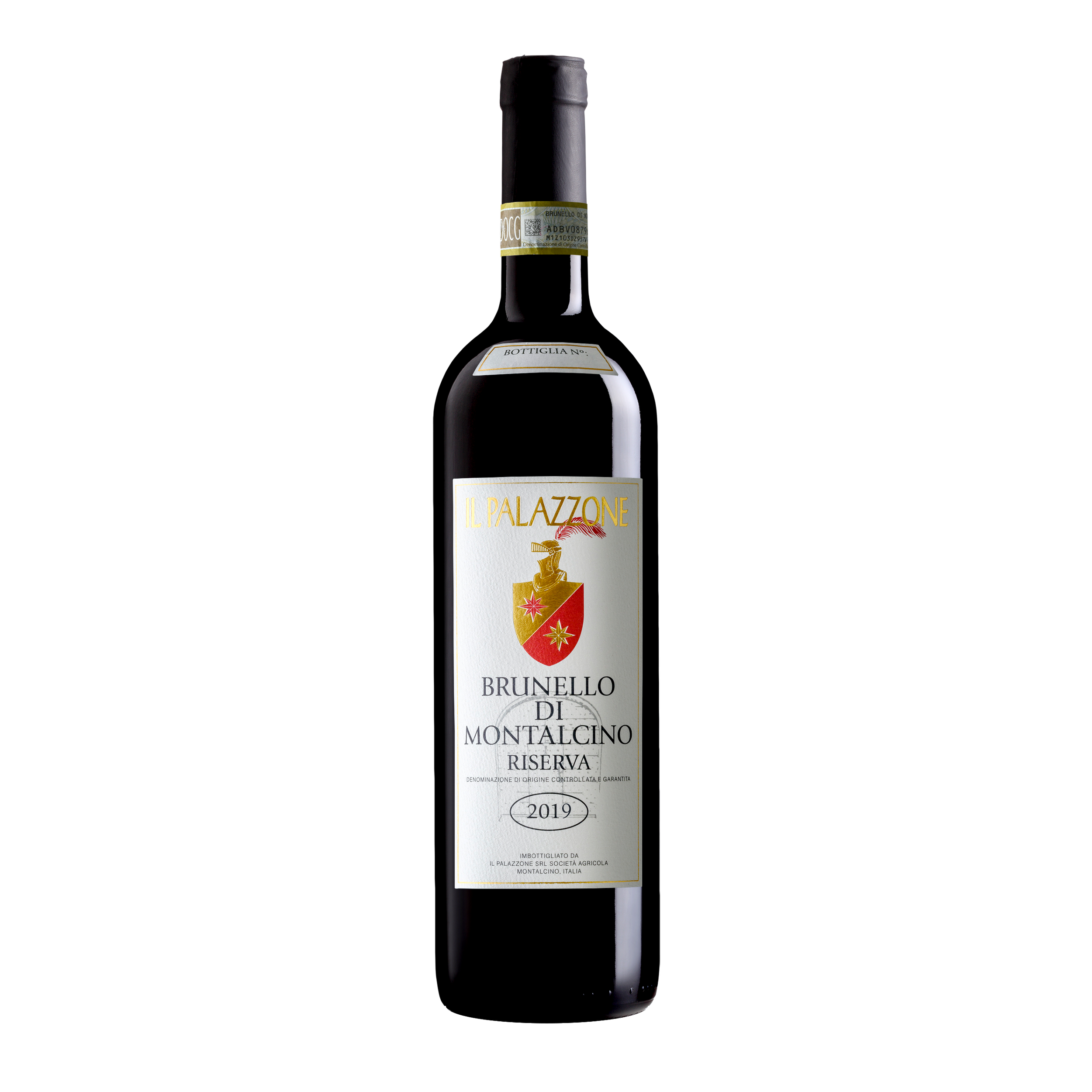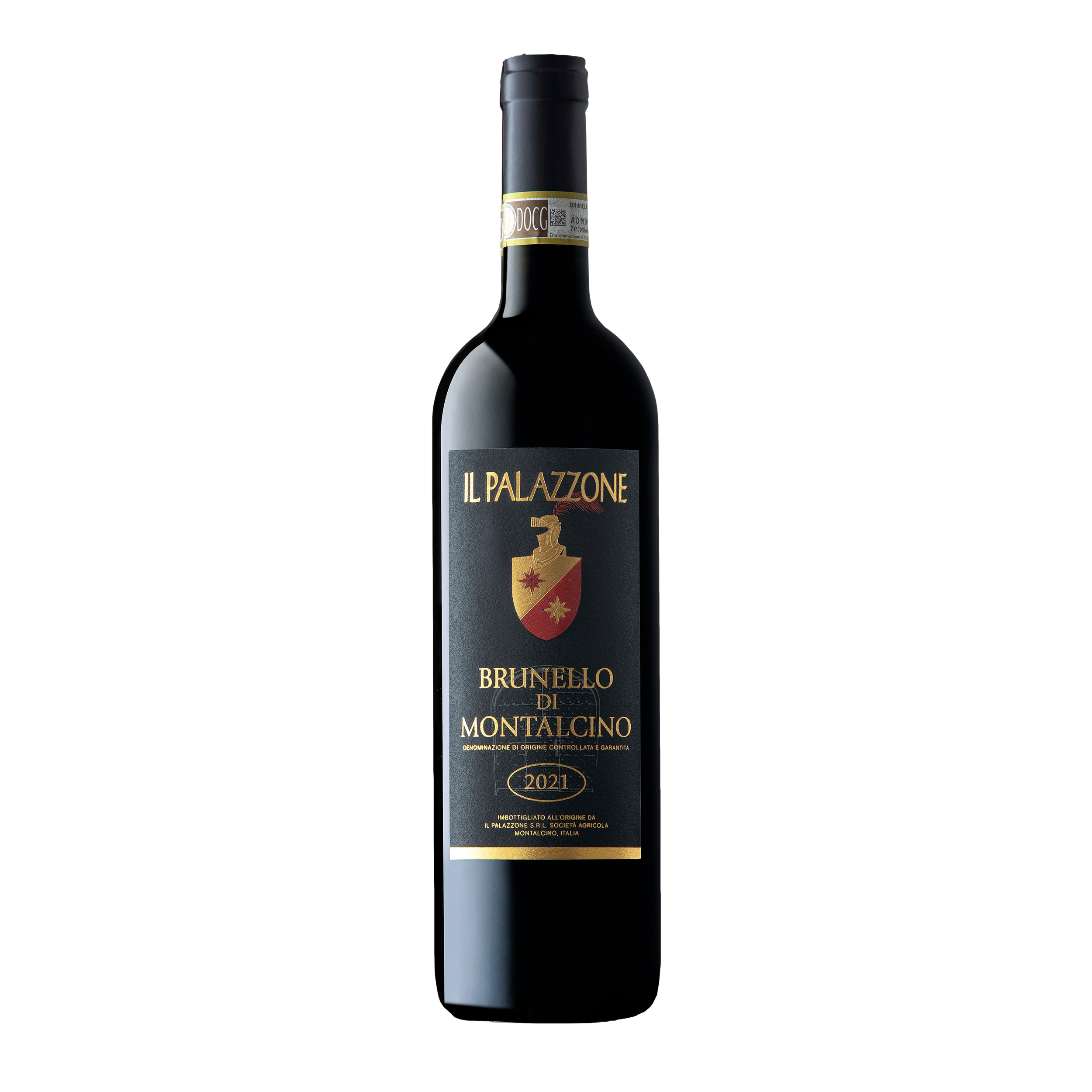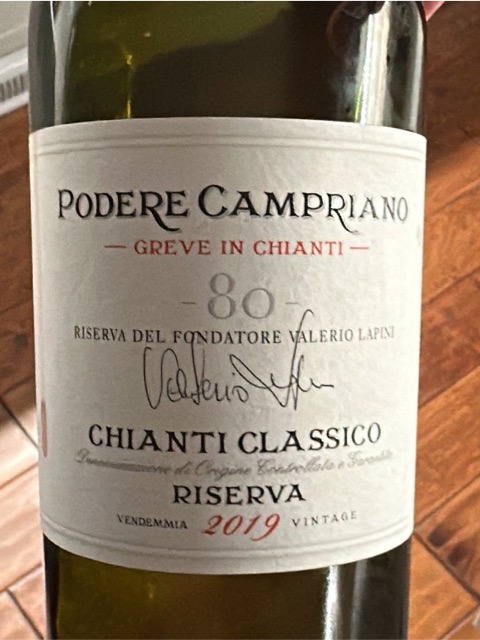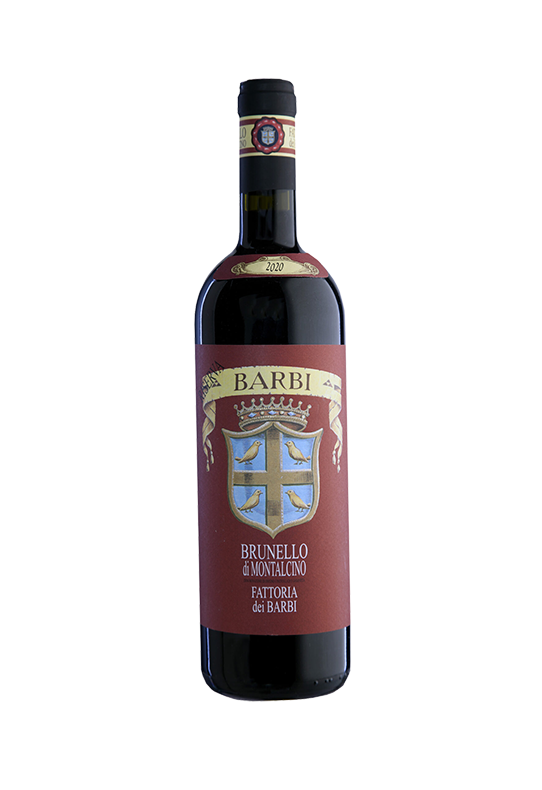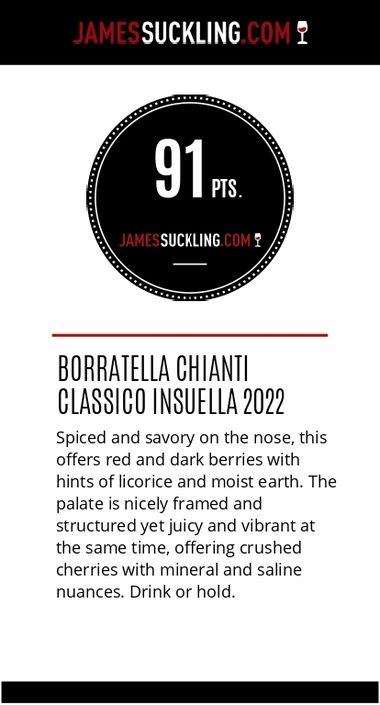


Tuscany is Sangiovese country, and most of what it is famous for is one grape read differently by geography. Chianti Classico between Florence and Siena, Brunello on its warm hill at Montalcino, Vino Nobile at Montepulciano, Morellino down in the coastal Maremma: same variety, four quite different propositions.
The exception, and the more influential story, is the coast. From the 1970s producers at Bolgheri planted Cabernet Sauvignon, Merlot and Cabernet Franc on land with no fine-wine tradition, and were obliged to sell the results as humble Vino da Tavola because the rules had no category for them. Sassicaia and its imitators sold anyway, the press called them Super Tuscans, and the law eventually rearranged itself around them — Bolgheri DOC arrived in 1994.
For whites, Vernaccia di San Gimignano is the historic name and was Italy's first DOC, in 1966. Vermentino has grown steadily along the coast and is now the more reliable everyday buy.
The practical lesson of the region is that in Tuscany the label tells you less than the subzone does. Chianti and Chianti Classico are different appellations; Rosso di Montalcino and Brunello are different wines from the same land; and IGT Toscana covers everything from a supermarket red to a bottle costing several hundred euro.