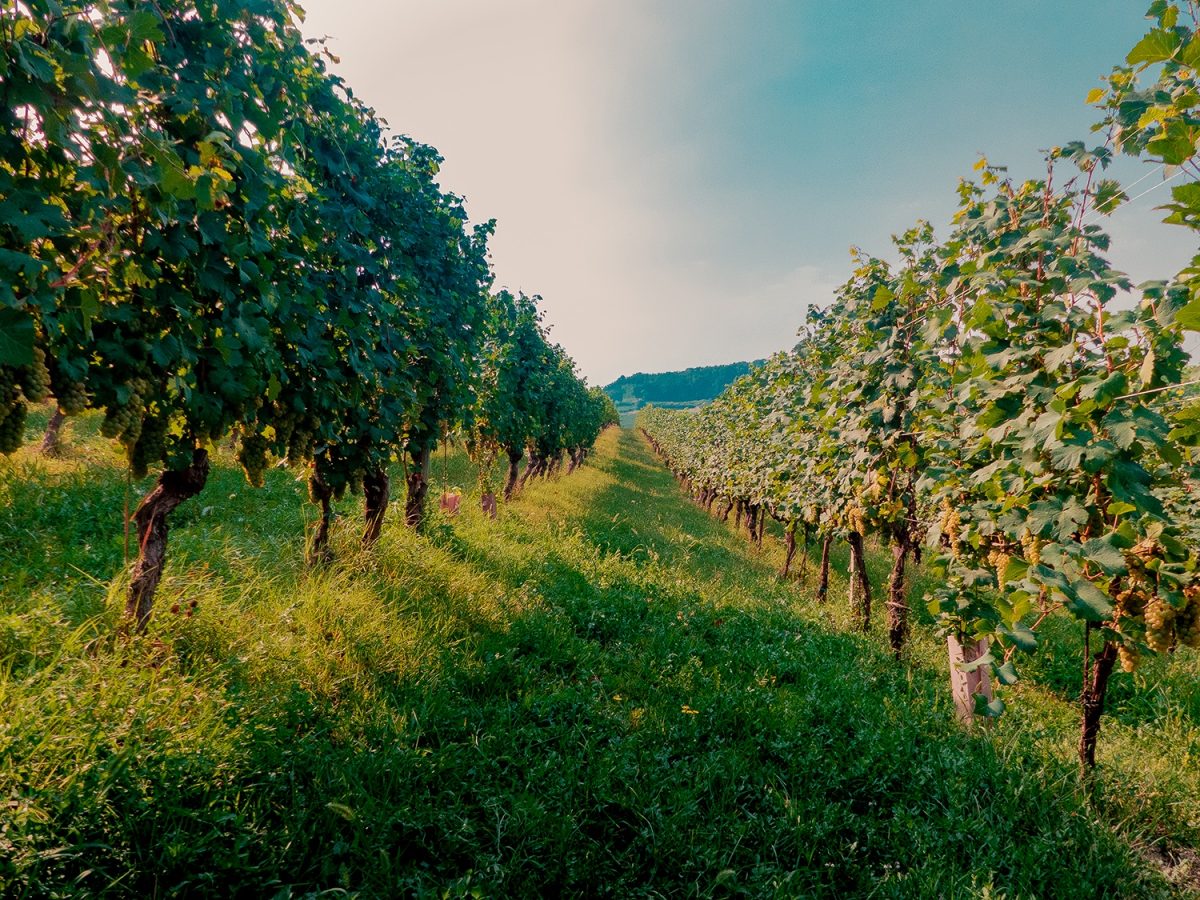


Piemonte sits in Italy's north-west, against the Alps, and its reputation rests on Nebbiolo: Barolo and Barbaresco in the Langhe, plus Roero across the Tanaro and the northern outposts of Gattinara and Ghemme. Nebbiolo is late-ripening, pale, high in acid and tannin, and unusually sensitive to site, which is why the region has mapped its vineyards more obsessively than anywhere else in Italy.
But Nebbiolo is a minority crop. The everyday red is Barbera — deep-coloured, low in tannin, bracingly acidic, at its best in Barbera d'Asti and Barbera d'Alba — and Dolcetto fills the softer, earlier-drinking slot despite a name meaning little sweet one, which it is not.
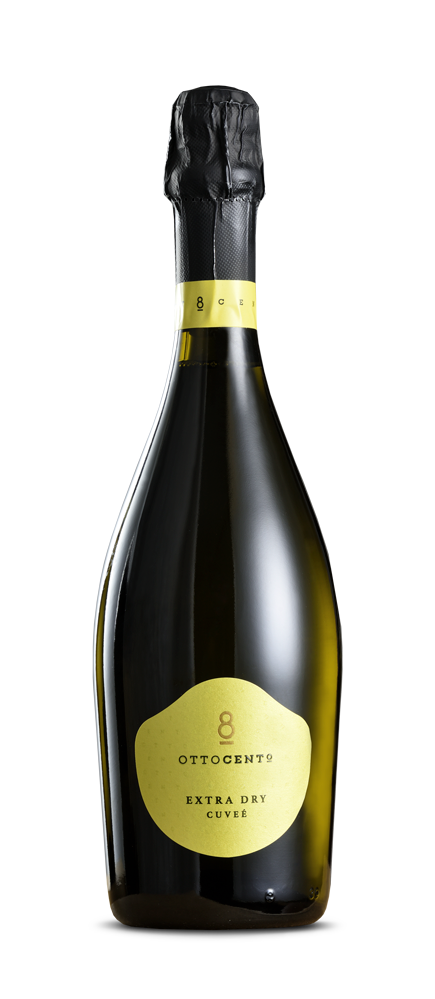
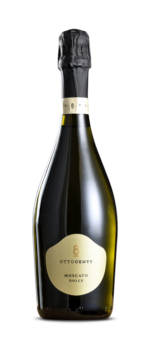
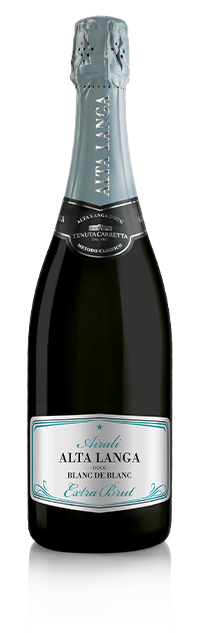
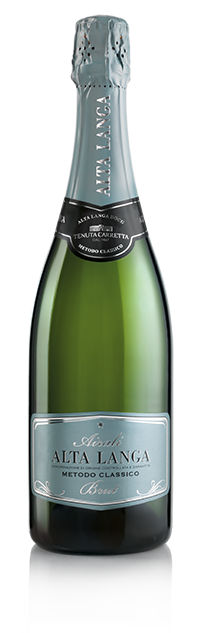
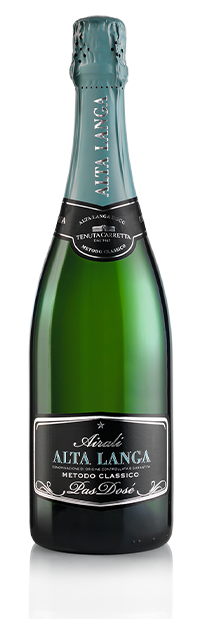
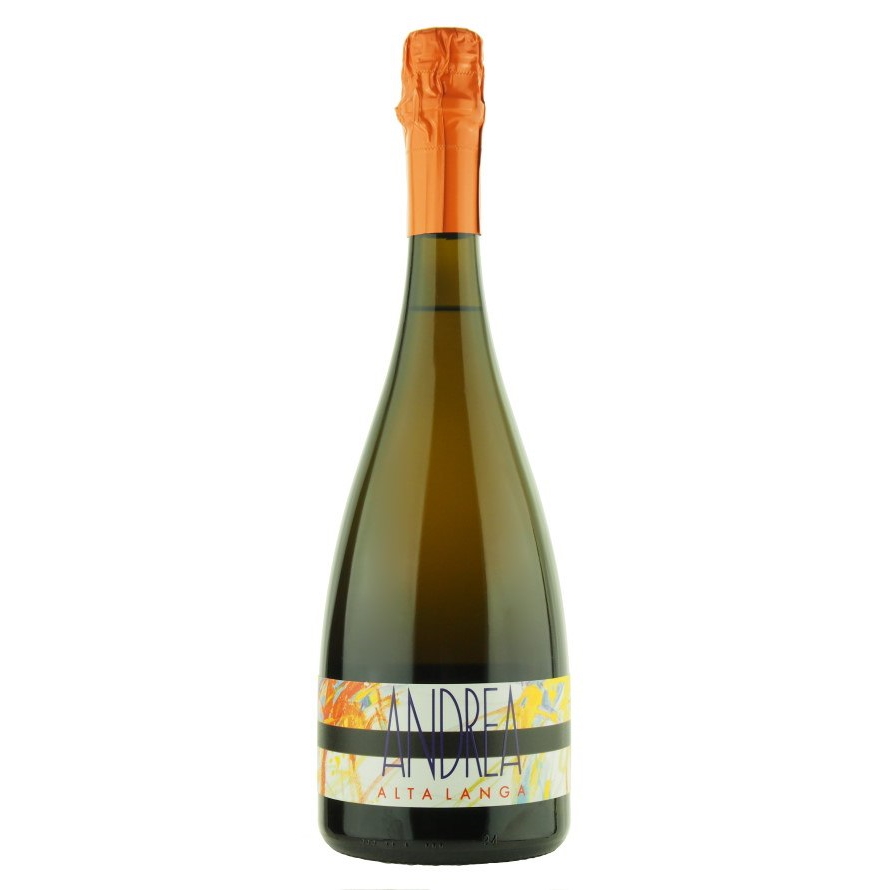
The whites are led by Gavi, from Cortese grown near the Ligurian border, and by Arneis in the Roero. Sweet and sparkling Moscato from around Asti is the volume story, and Alta Langa DOCG is the region's traditional-method sparkling, made from Chardonnay and Pinot Nero at altitude.
One structural quirk worth knowing: Piemonte has no IGT wines at all. Everything is DOC or DOCG, or it is sold as generic table wine. The region chose to work inside the appellation system rather than around it — the exact opposite of the Tuscan coast.