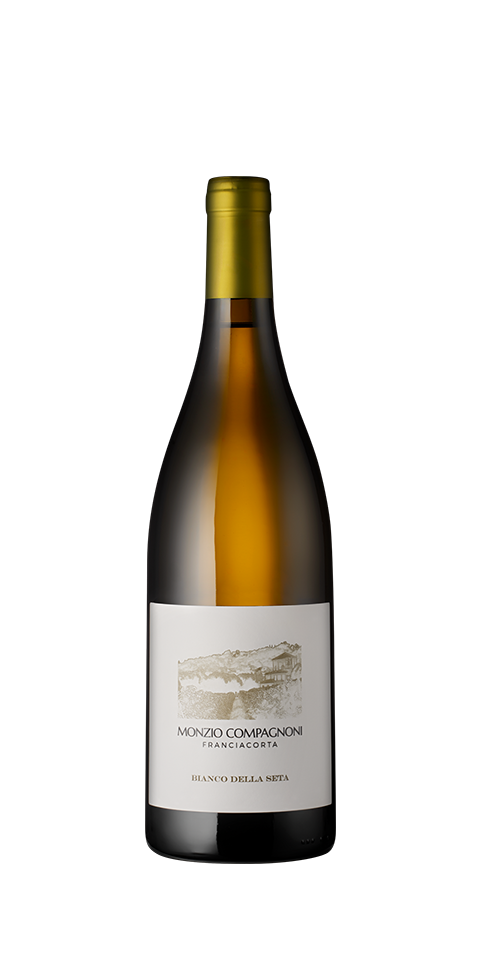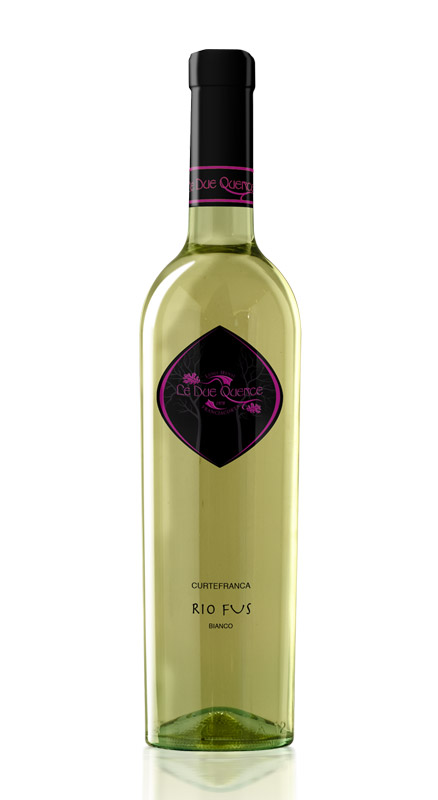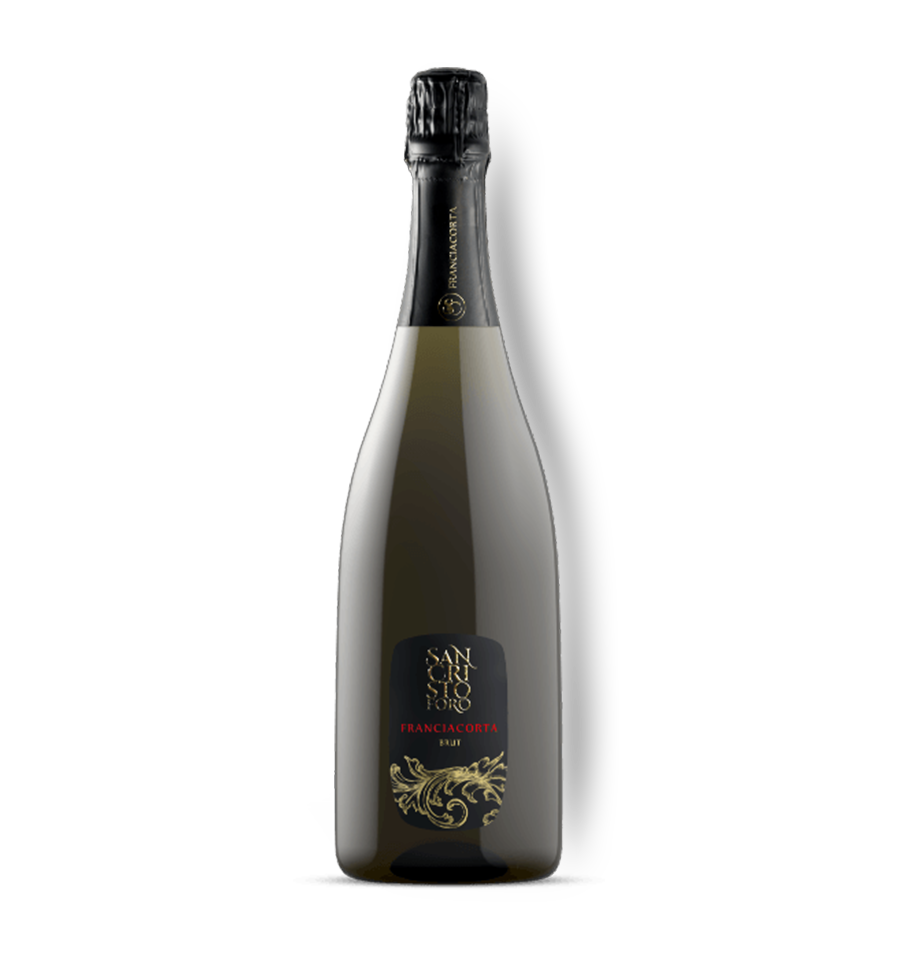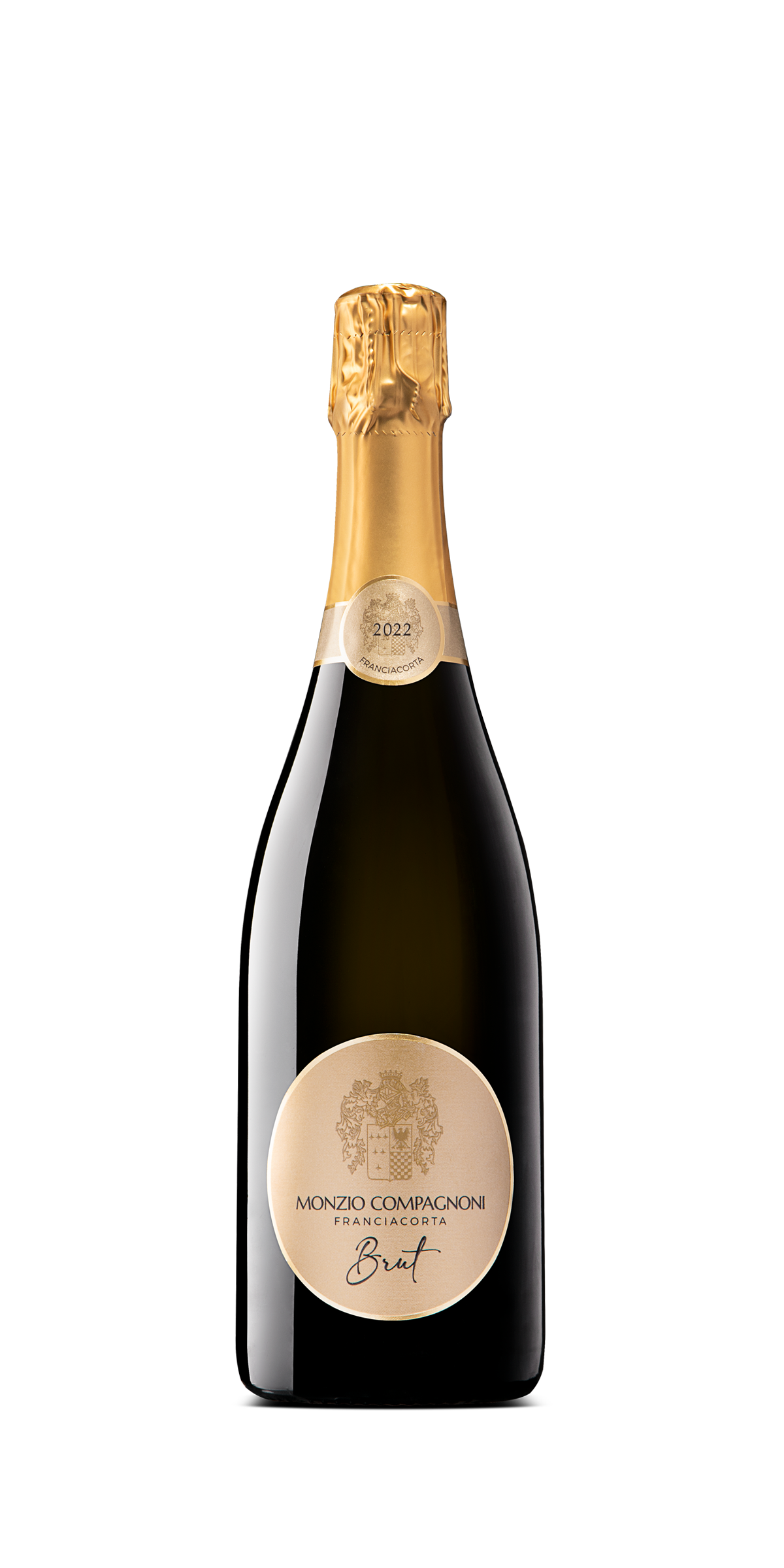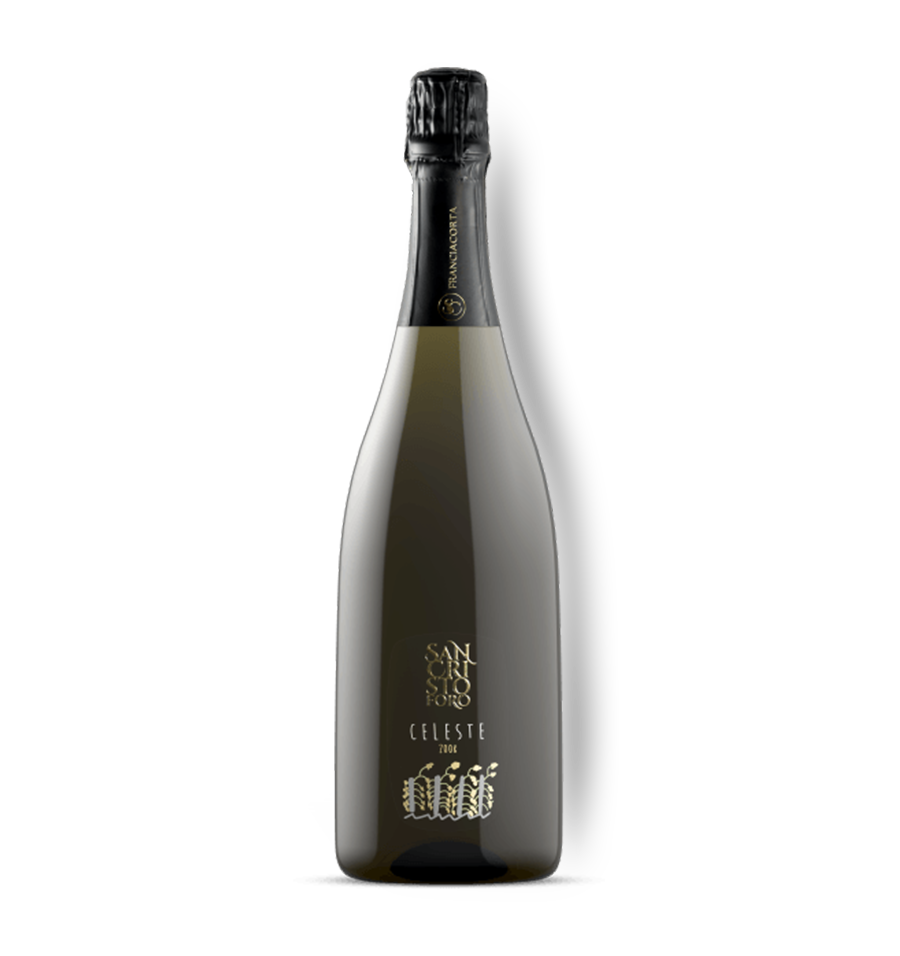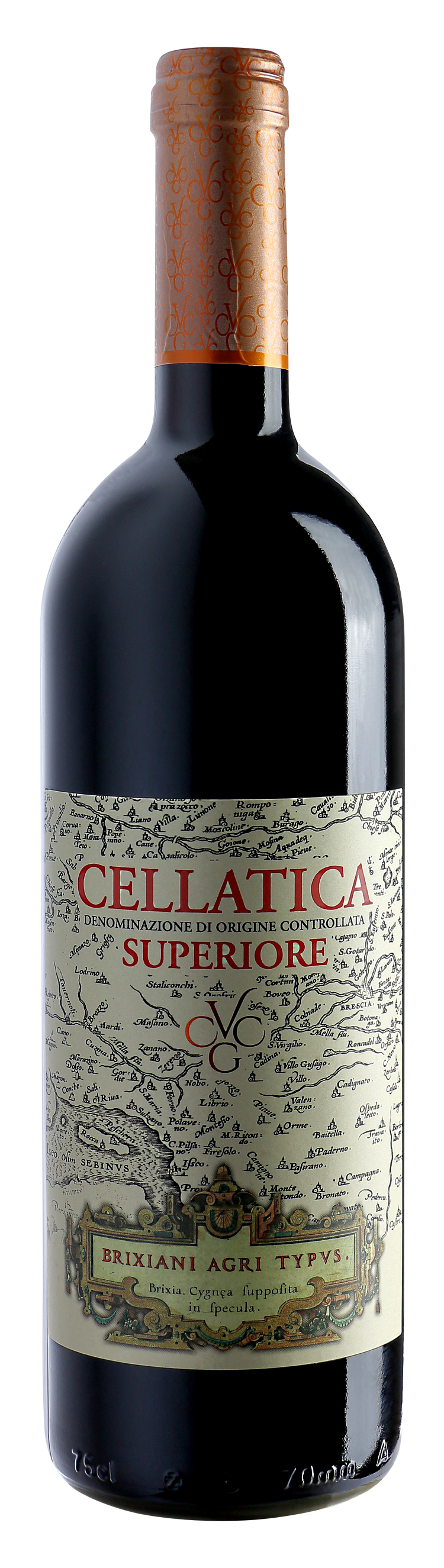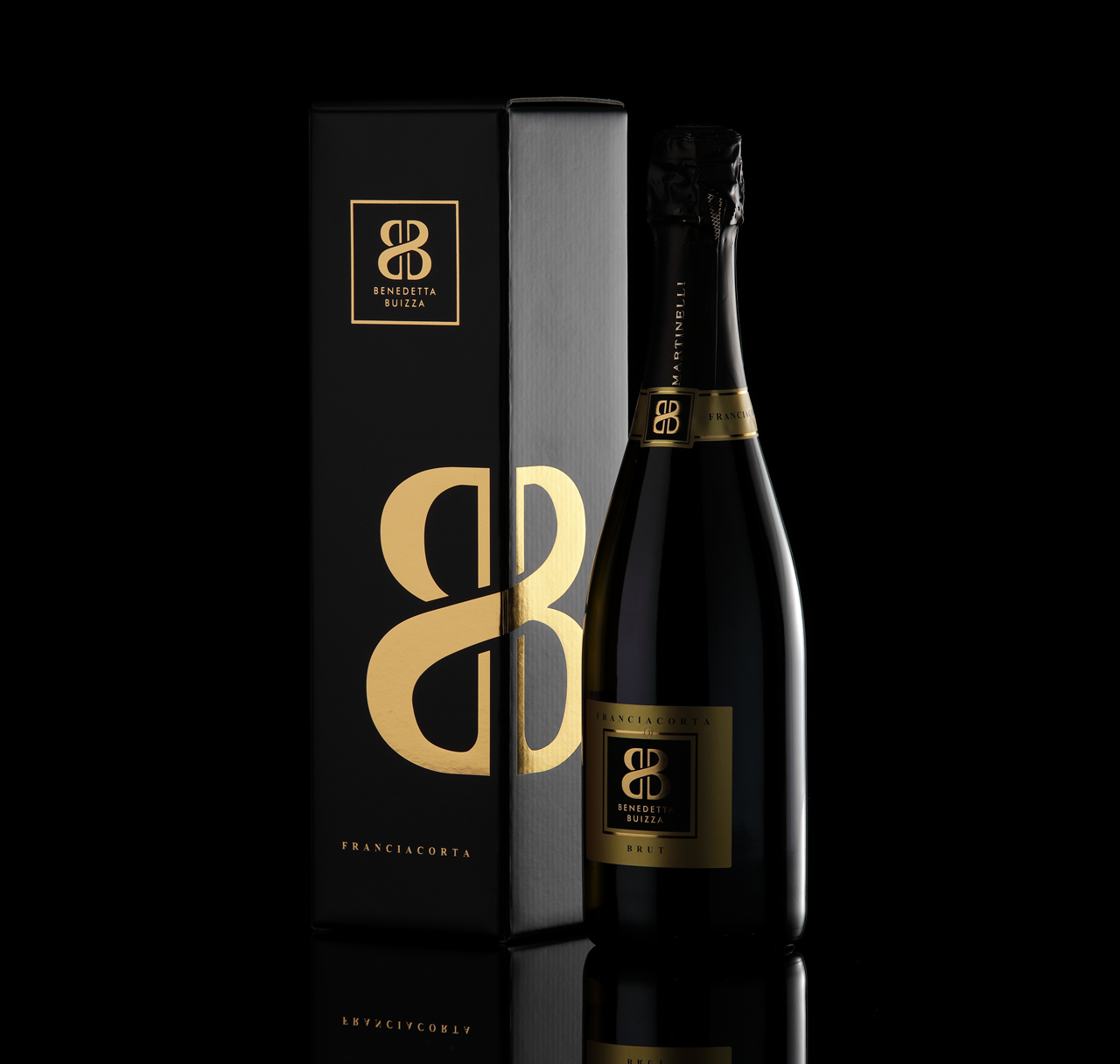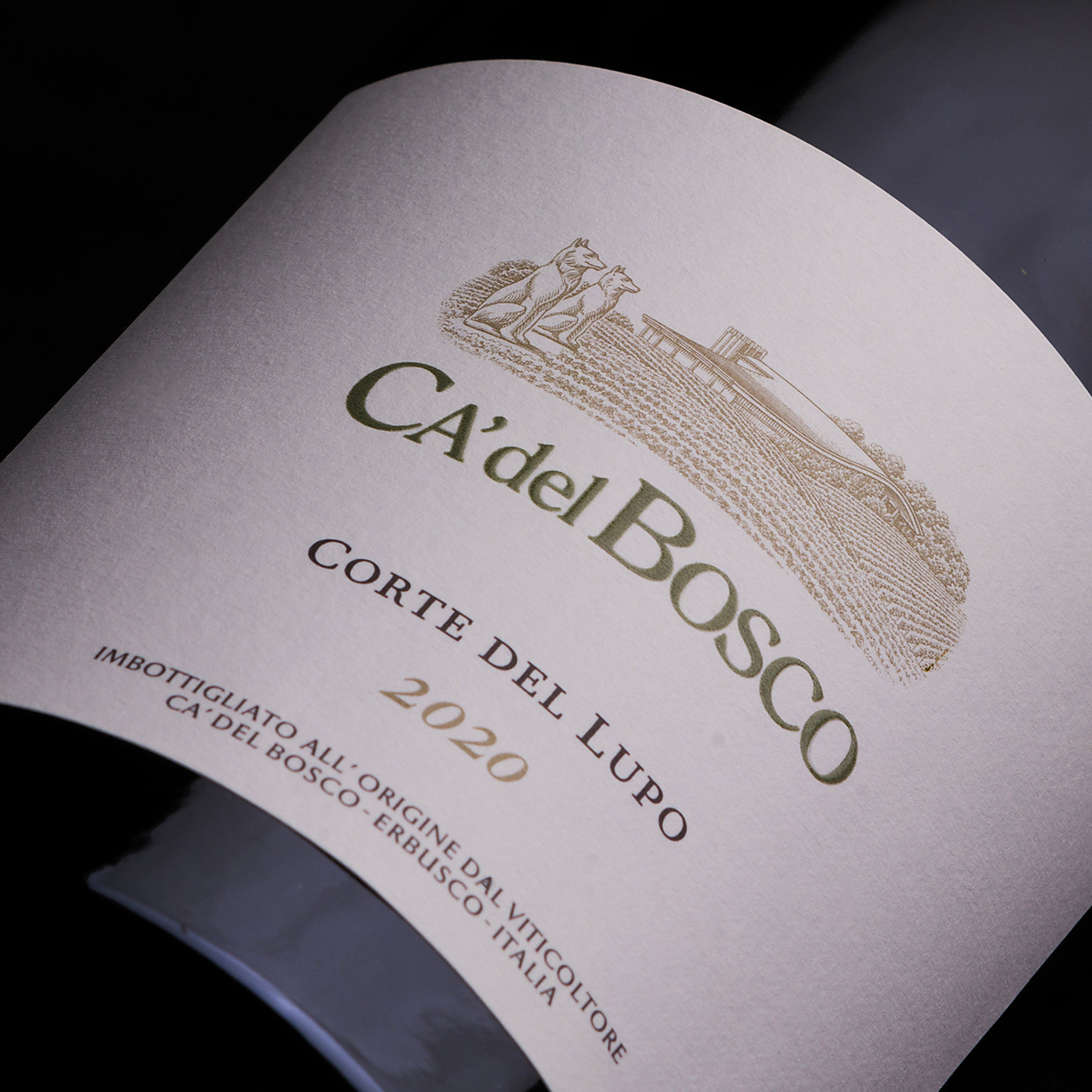


Lombardy is more often associated with Milan than with vineyards, but it holds two appellations of real consequence. Franciacorta, south of Lake Iseo, is Italy's leading traditional-method sparkling wine and has been DOCG since 1995. Valtellina, in the far north against the Swiss border, grows Nebbiolo — called Chiavennasca here — on dry-stone terraces along the Adda valley.
Valtellina is worth seeking out precisely because it does not taste like Barolo. The altitude and the sandy alpine soils give a lighter, more perfumed, higher-toned Nebbiolo. Sforzato di Valtellina, or Sfursat, applies the appassimento drying technique to the grape and is the one Nebbiolo made in the manner of Amarone.
Oltrepò Pavese, south of the Po, is the region's volume producer and one of Italy's largest plantings of Pinot Nero, much of which historically left the area to become sparkling base wine elsewhere. Lugana, on the southern shore of Lake Garda, straddles the Lombardy–Veneto border and produces a textured, age-worthy white from Turbiana.