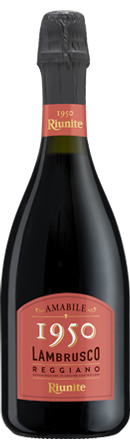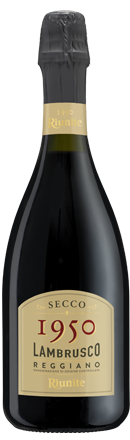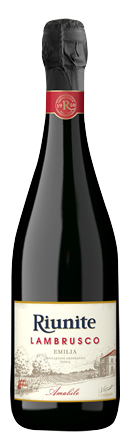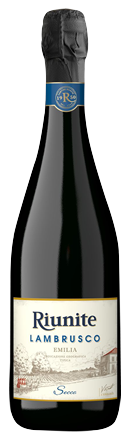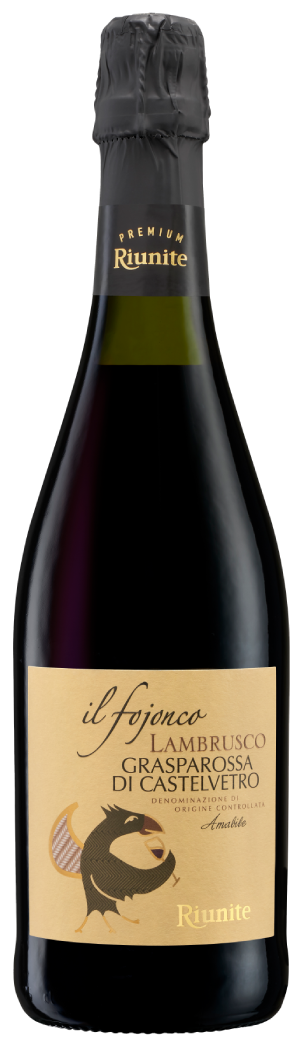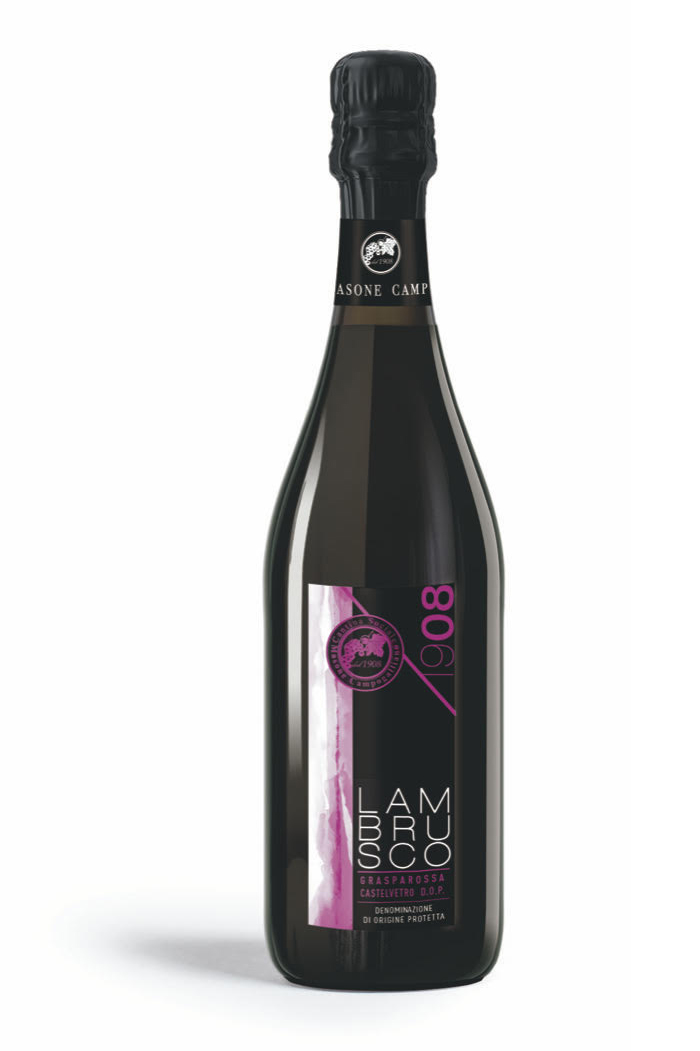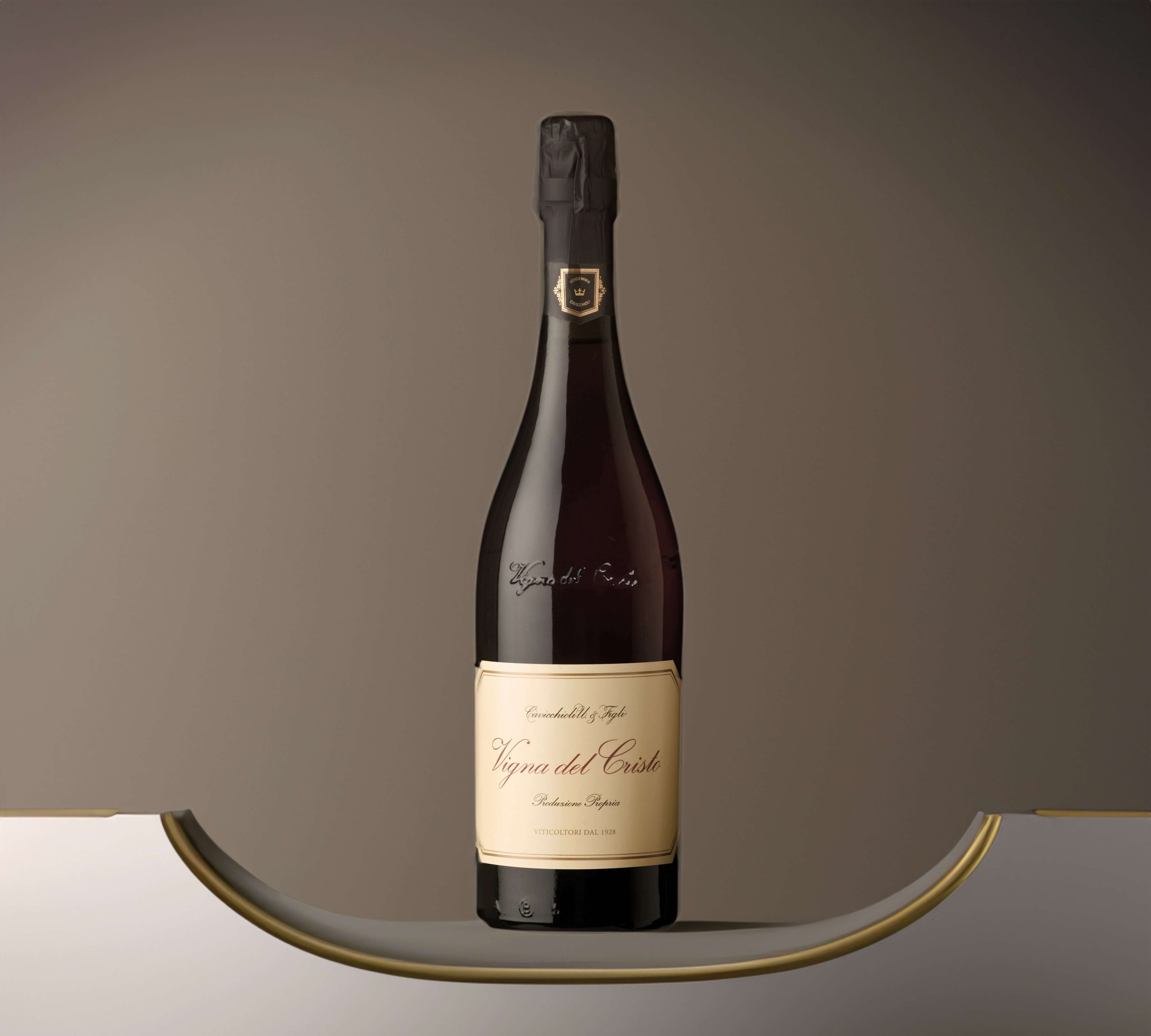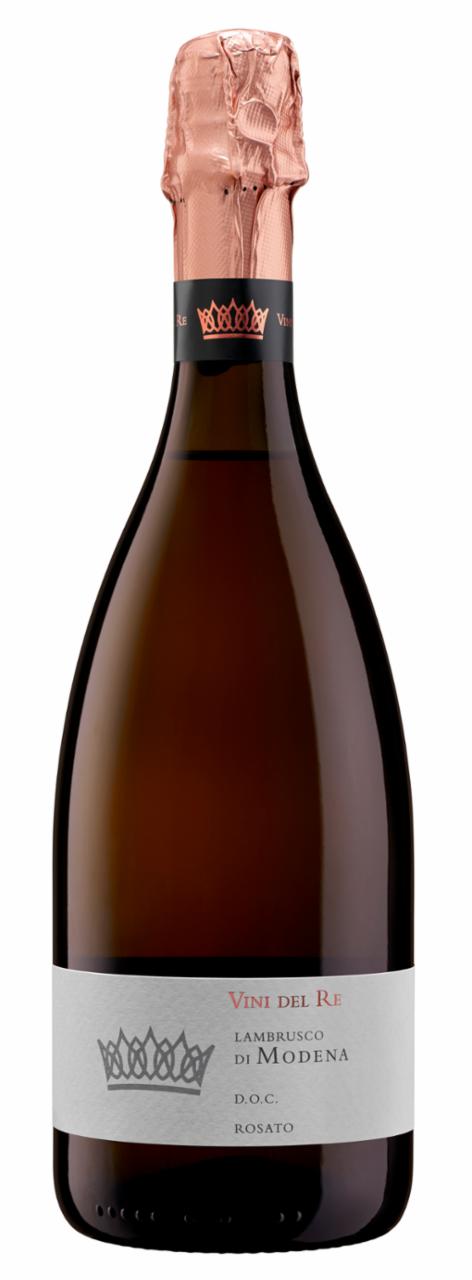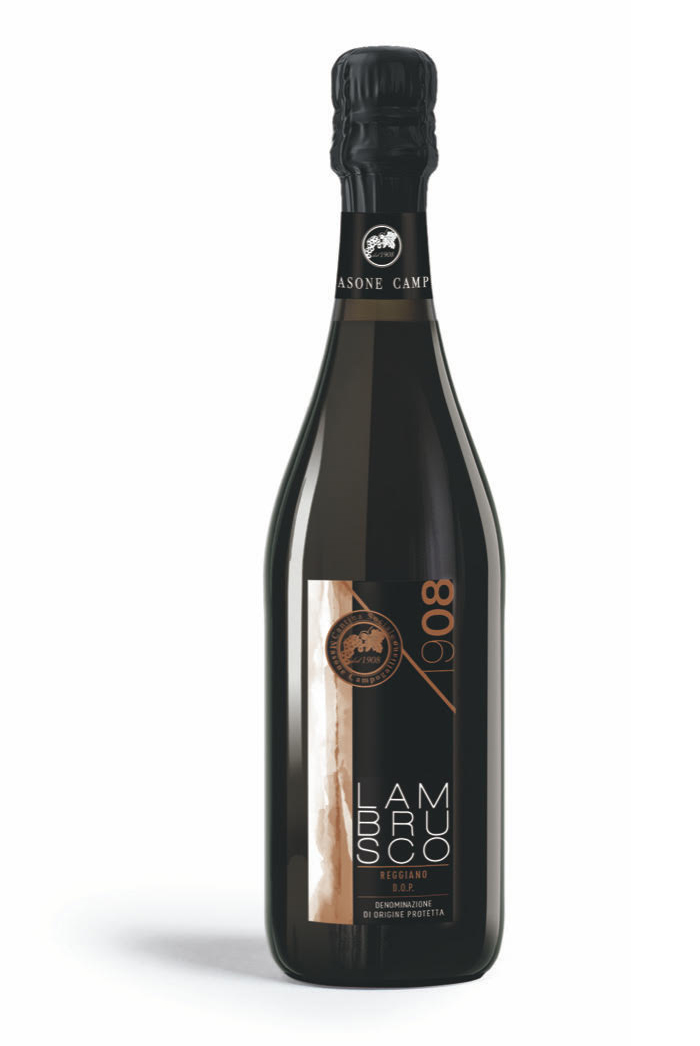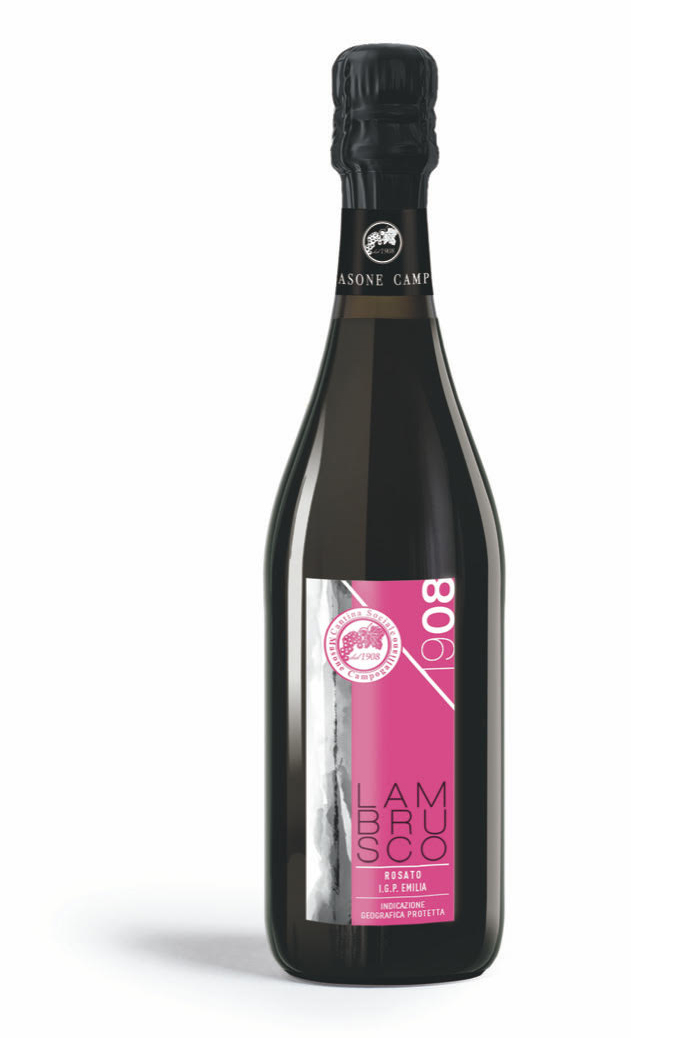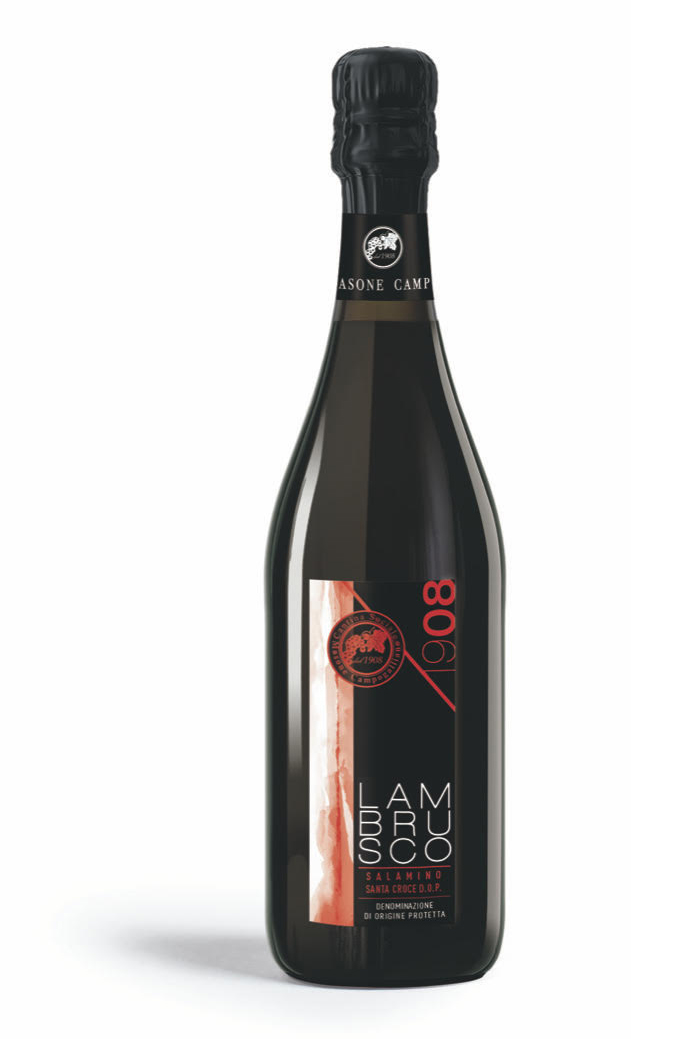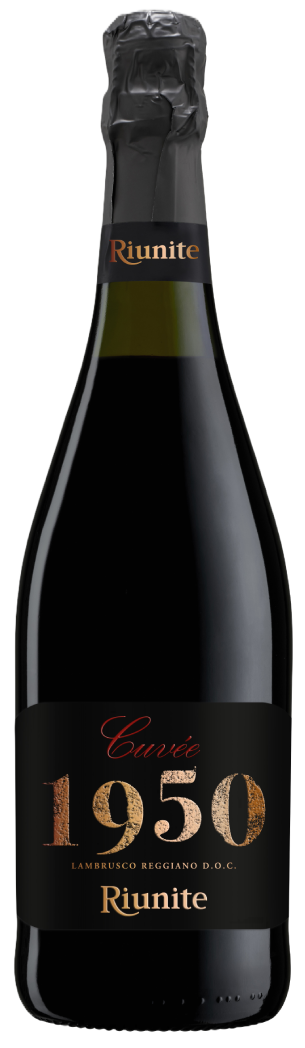


Emilia-Romagna runs across the country from the Apennines to the Adriatic and is really two wine cultures. Emilia, to the west around Modena and Reggio, is Lambrusco country. Romagna, to the east, grows Sangiovese and Albana.
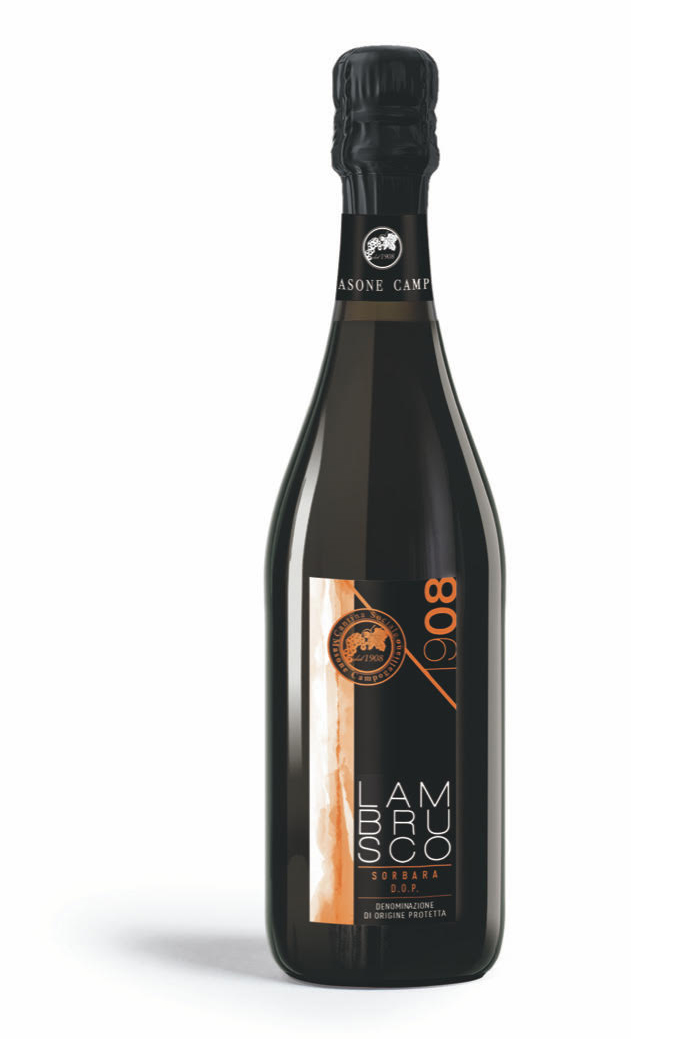
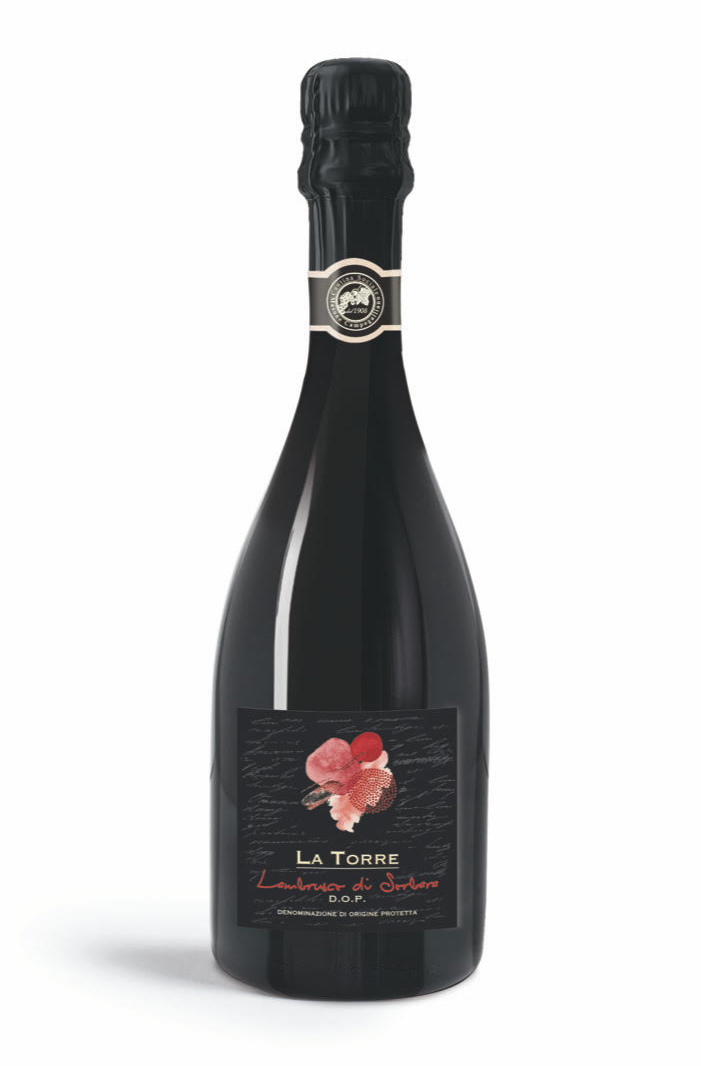
Lambrusco suffers from an export legacy of sweet industrial wine that bears little relation to what is drunk locally. It is a family of related dark-skinned varieties, and the important ones are distinct: Lambrusco di Sorbara, pale and startlingly high in acidity; Grasparossa di Castelvetro, darker, more tannic and structured; Salamino, in between. Made dry, chilled, and served with the region's very rich food, it makes obvious sense.
Romagna Albana became Italy's first white DOCG in 1987, a decision debated ever since, though the passito version has always been the most persuasive expression. Sangiovese di Romagna is grown at higher volume and lower prices than in Tuscany and has improved markedly as producers have moved into the hills.
Pignoletto, from the Colli Bolognesi, is the everyday white — lightly sparkling, faintly bitter, and built for exactly the same table as the Lambrusco.