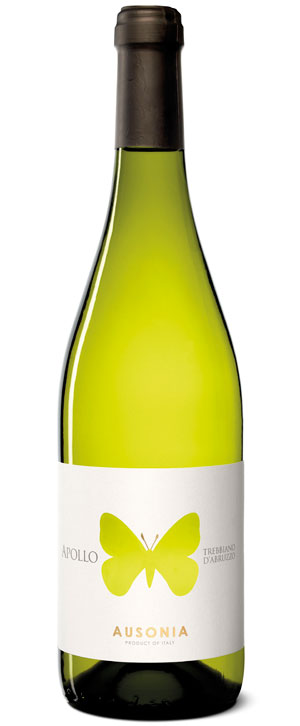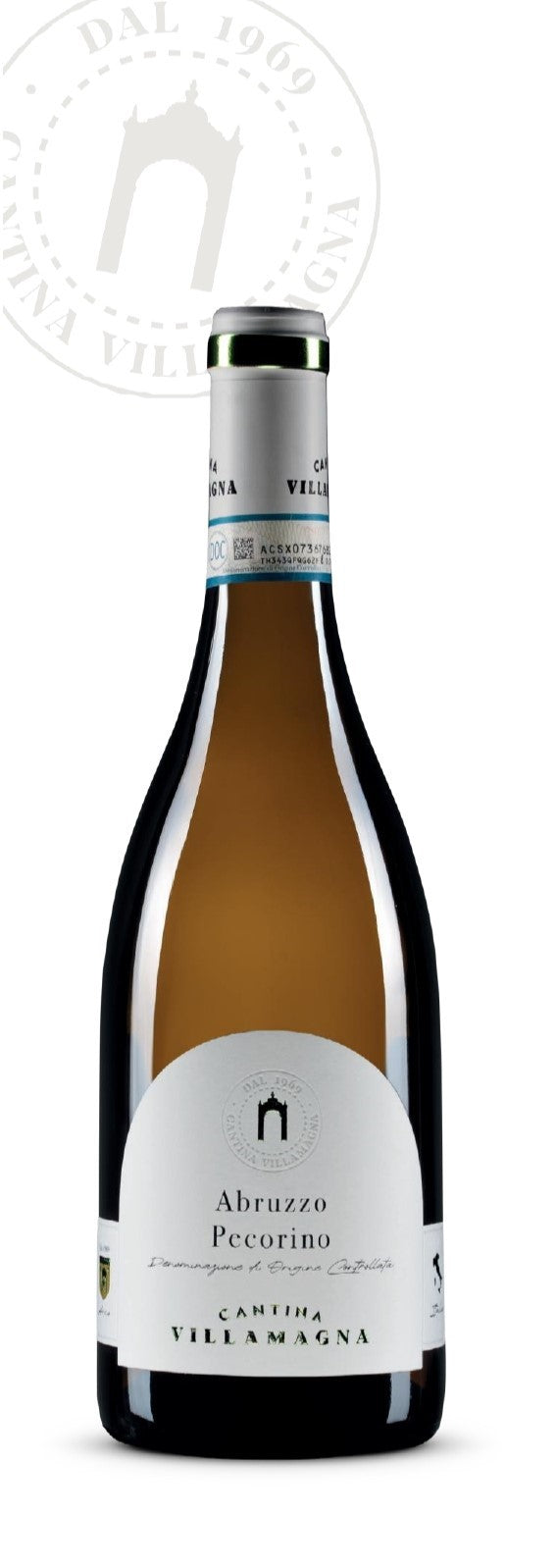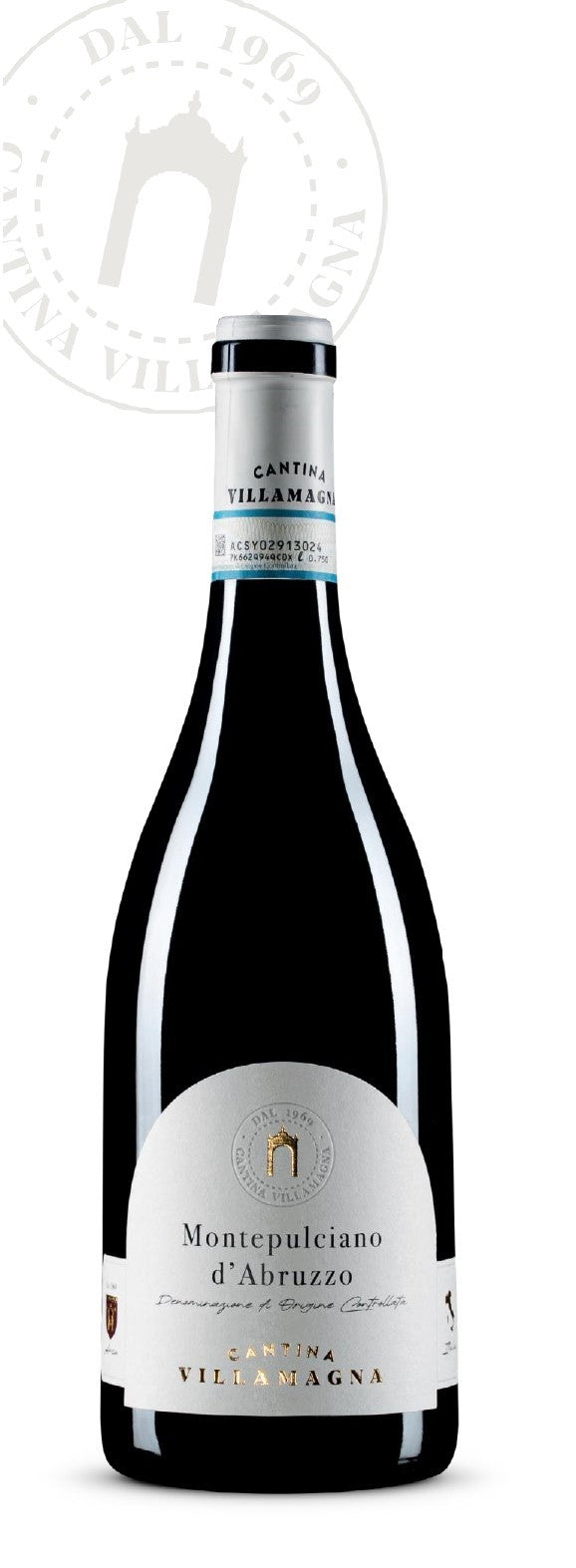


Abruzzo sits halfway down the Italian peninsula on the Adriatic side, and its geography is far more vertical than the reputation of its wines suggests. The Gran Sasso rises to almost three thousand metres and holds the Calderone, the southernmost glacier in Europe; the coast is less than fifty kilometres away. The vineyards occupy the hills in between, across four provinces: Chieti, which alone accounts for most of the region's wine, then Pescara, Teramo and — higher and colder — L'Aquila.
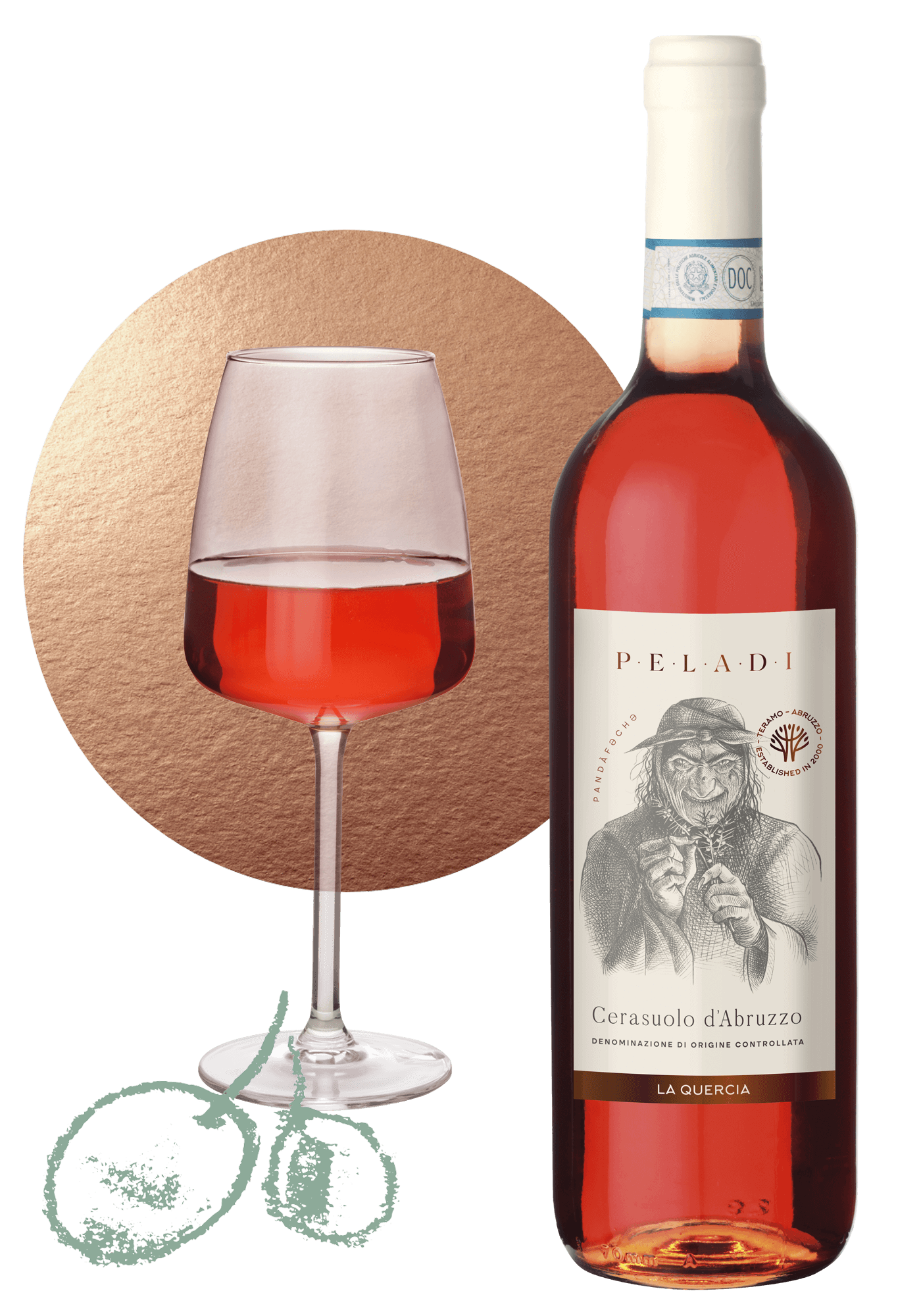
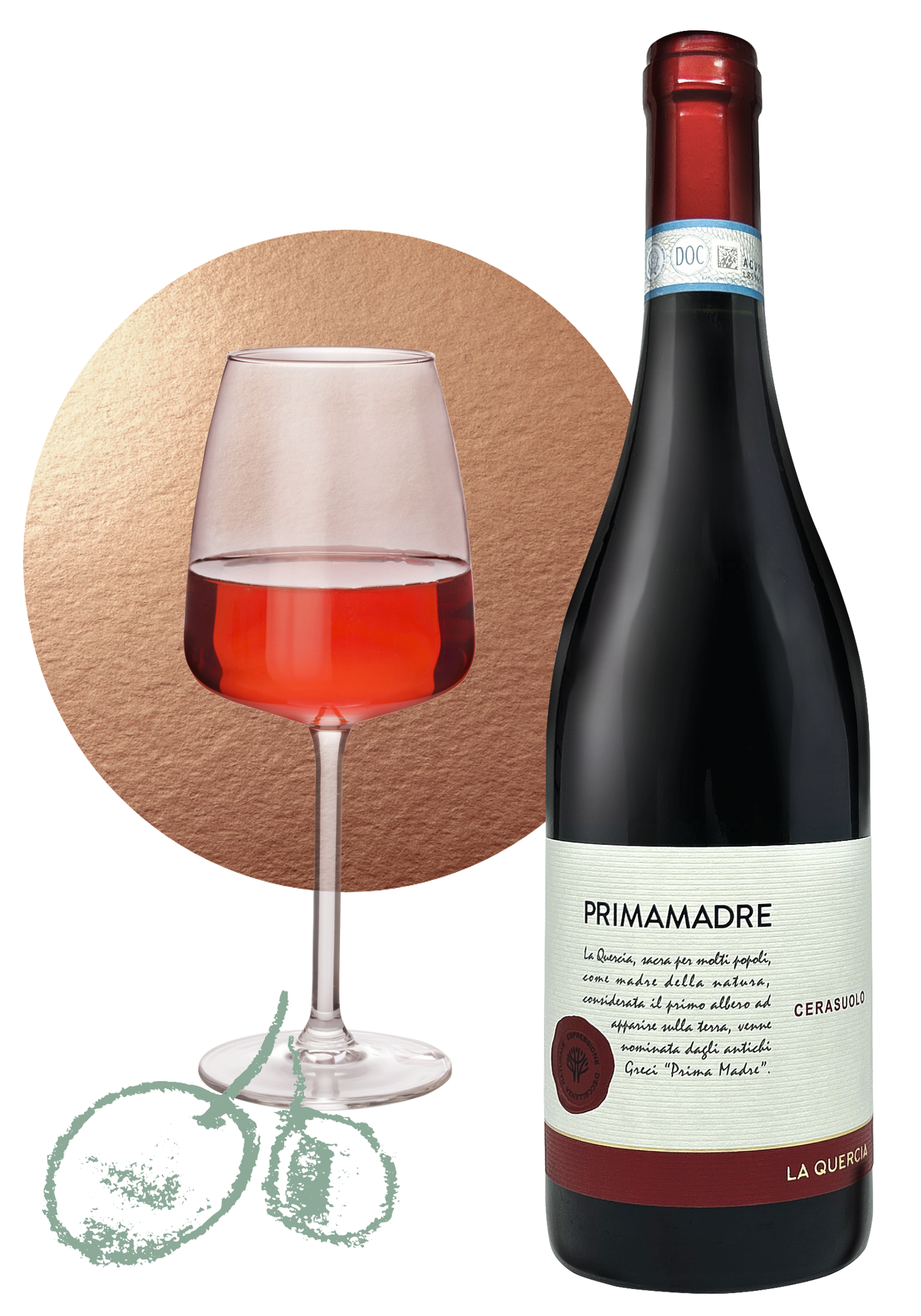
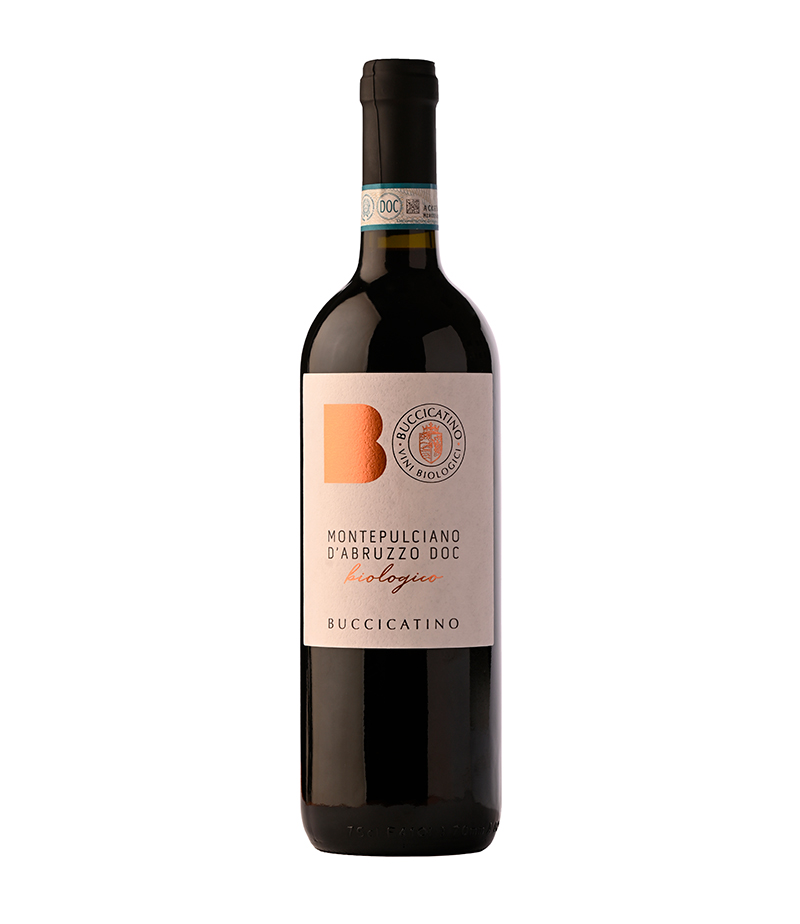
There is essentially one red grape, Montepulciano, and it carries the whole regional reputation. Its name causes the most persistent confusion in Italian wine: Montepulciano is also a Tuscan town, but the Vino Nobile made there is Sangiovese and has nothing to do with this. The same Montepulciano also gives Cerasuolo, the rosé that Abruzzo has never treated as a lesser wine.
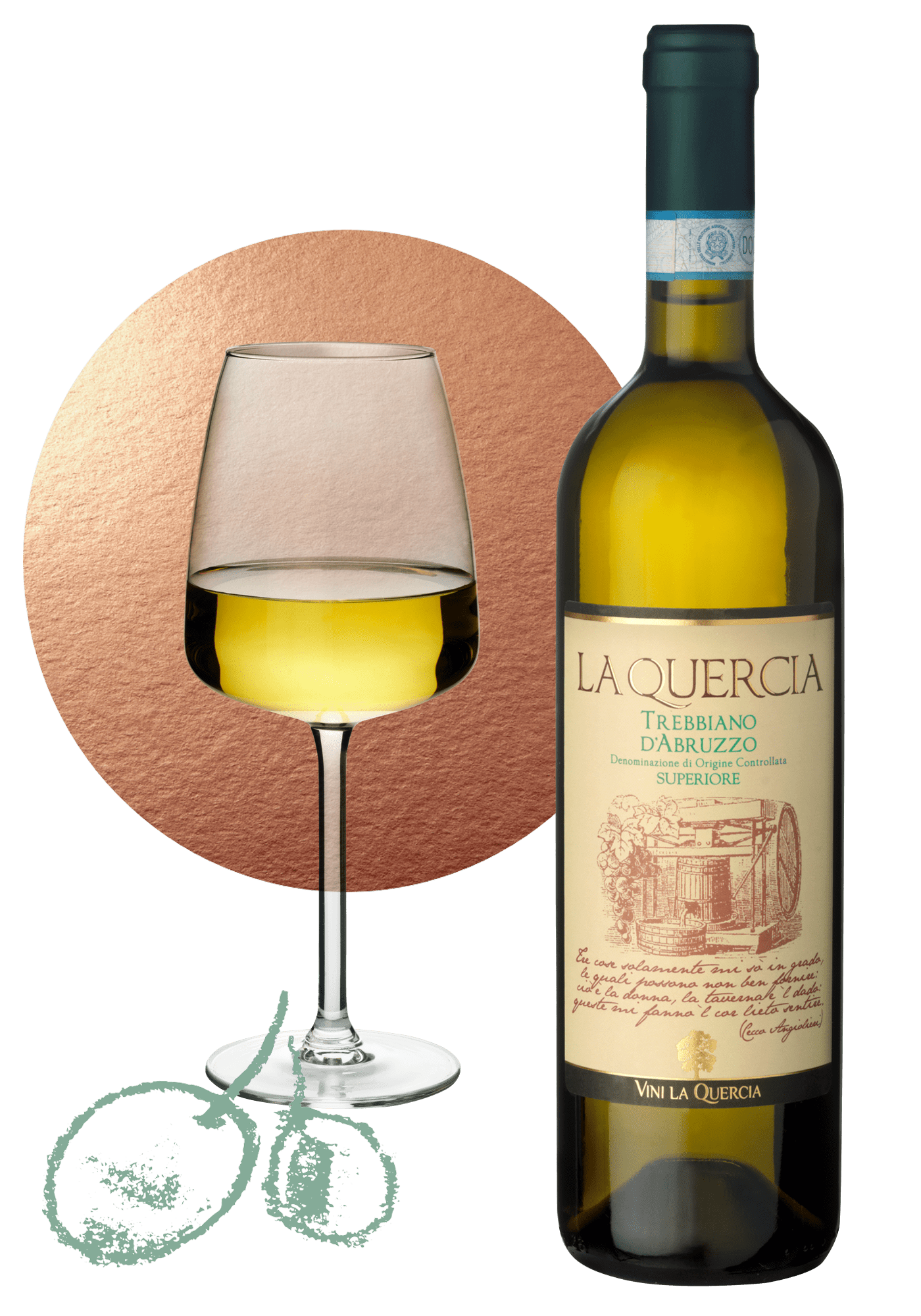
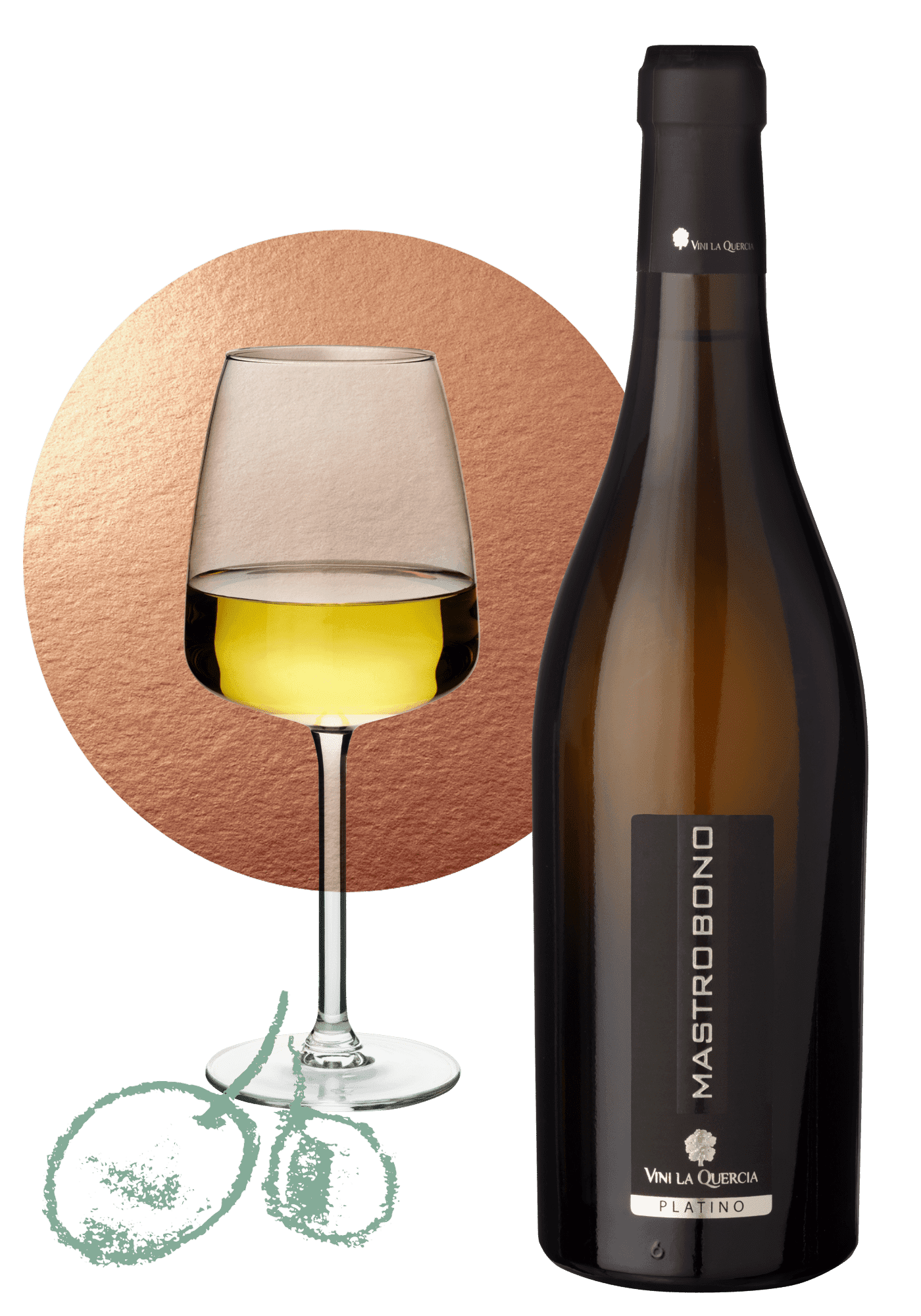
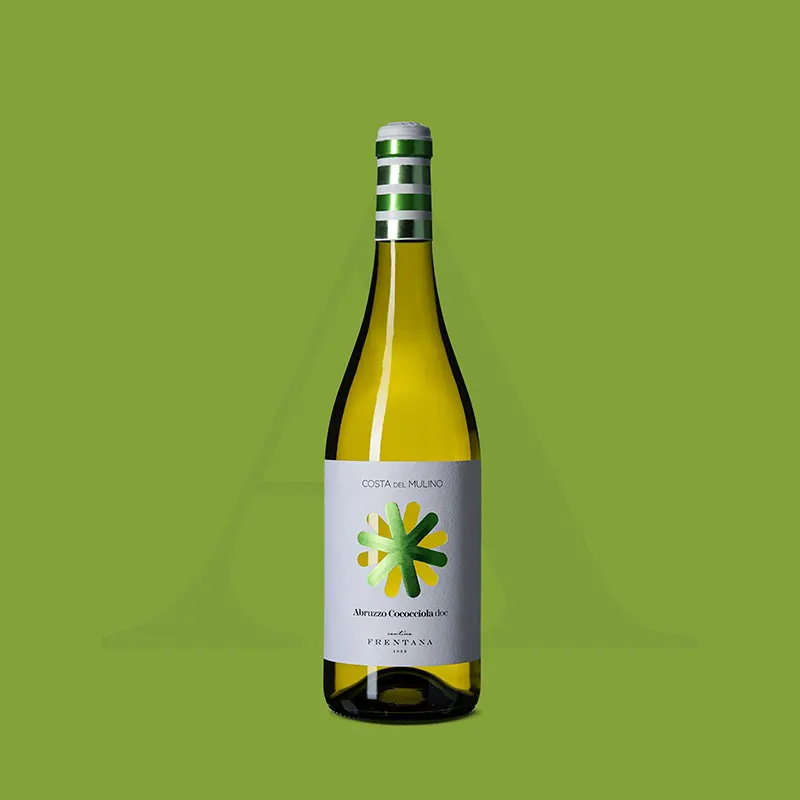
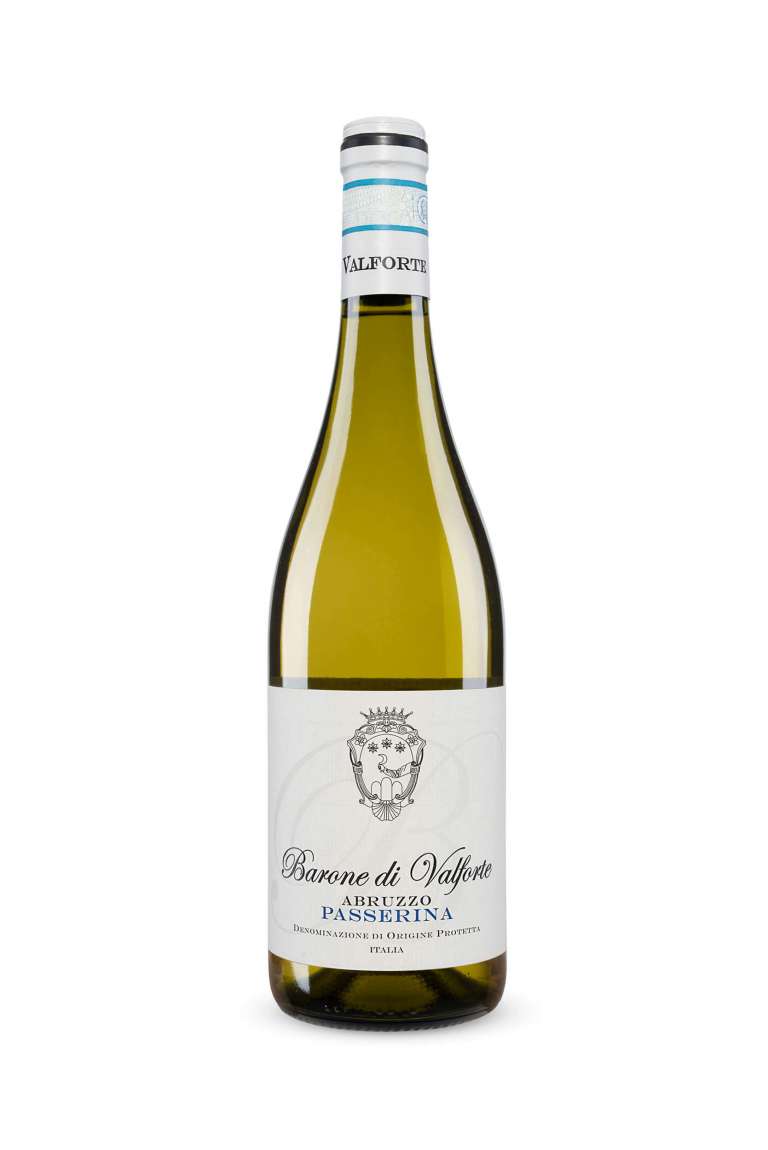
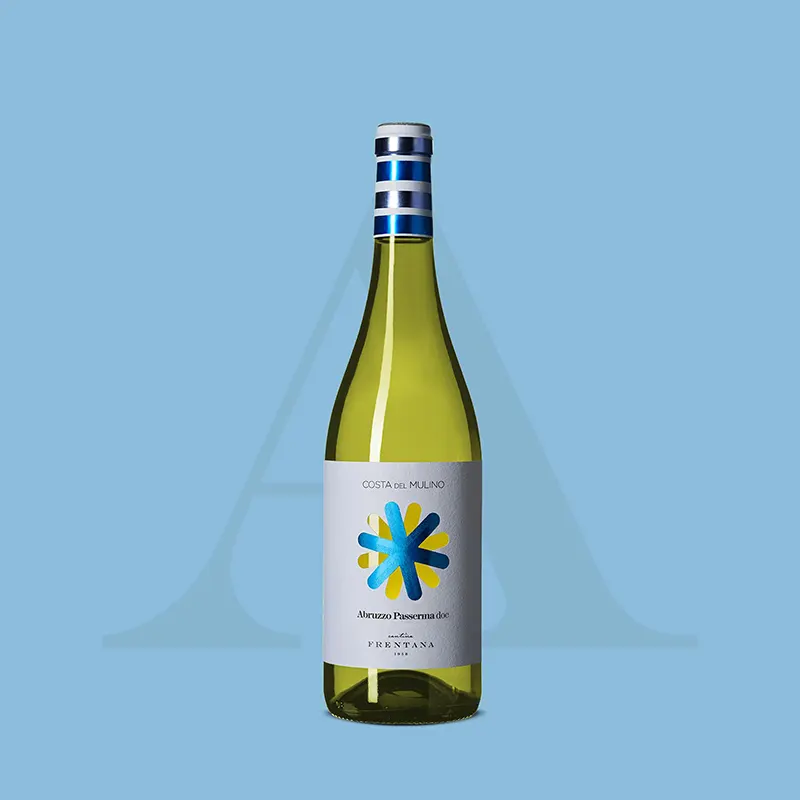
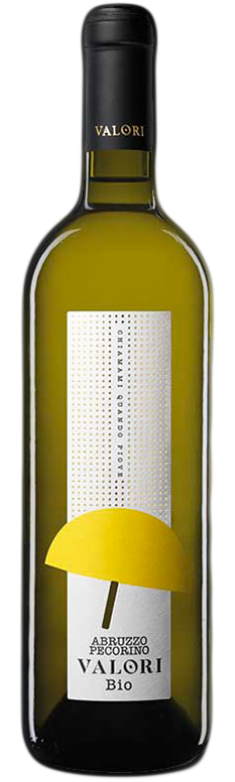
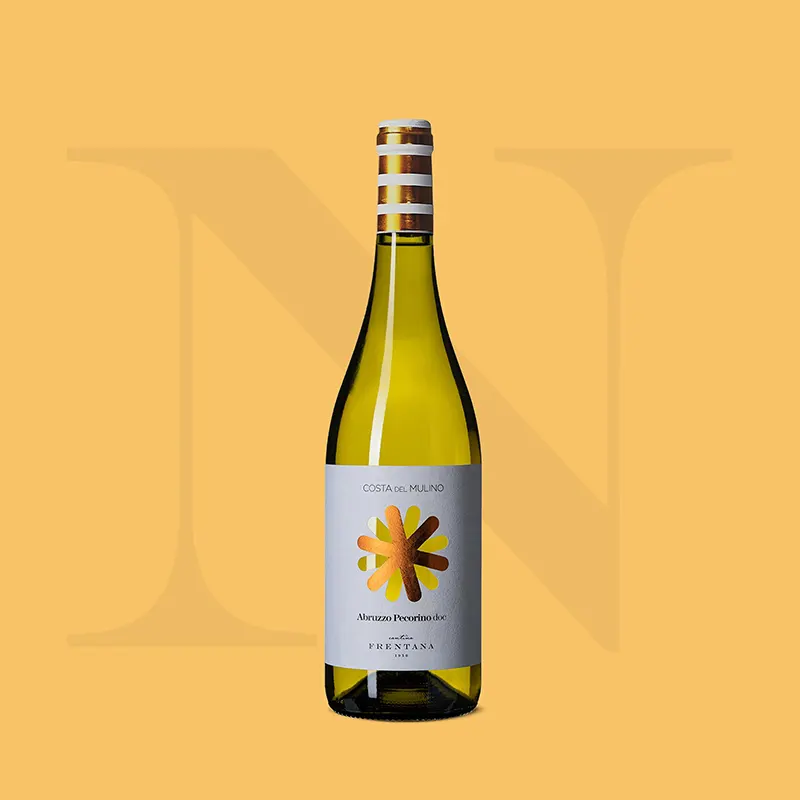
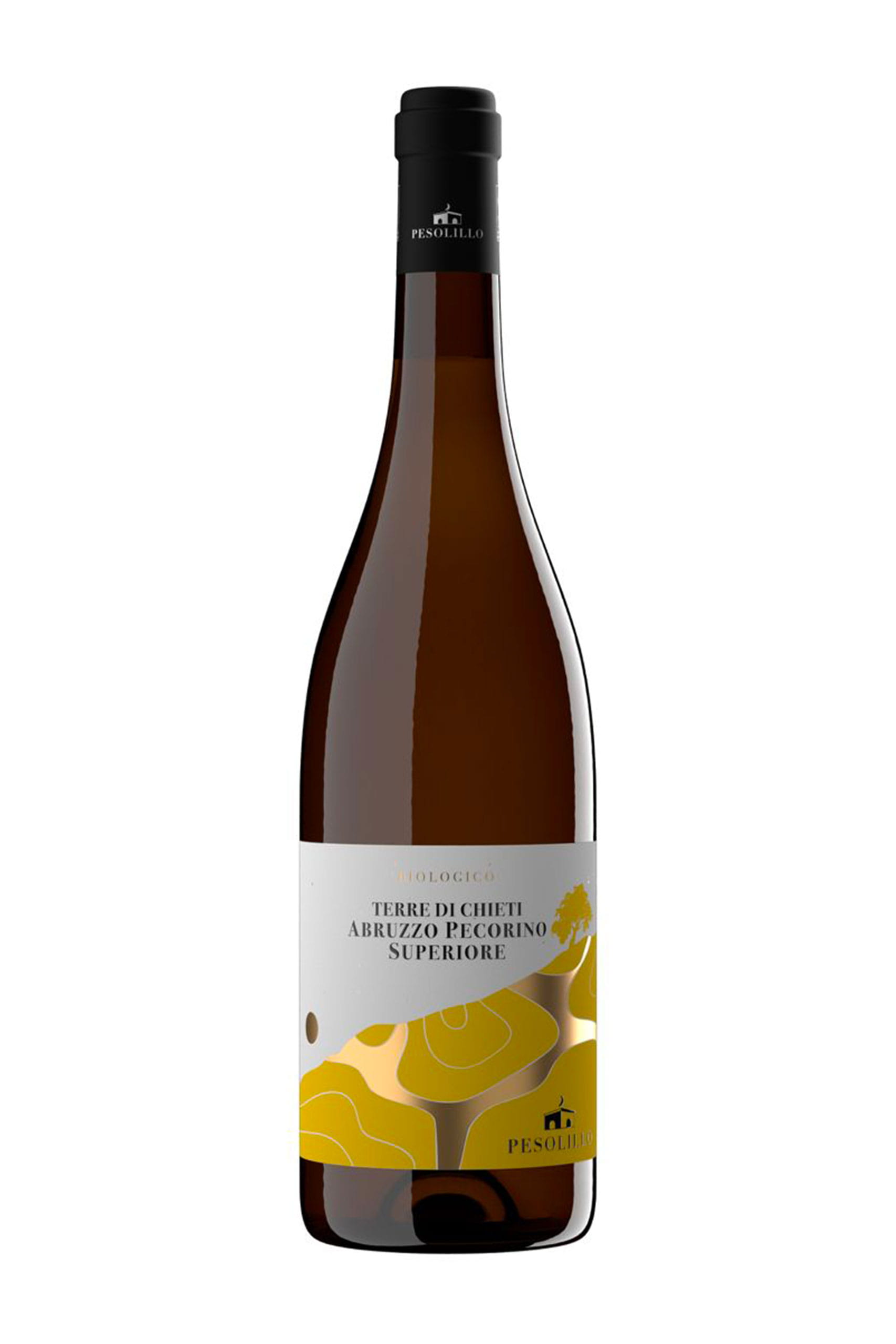
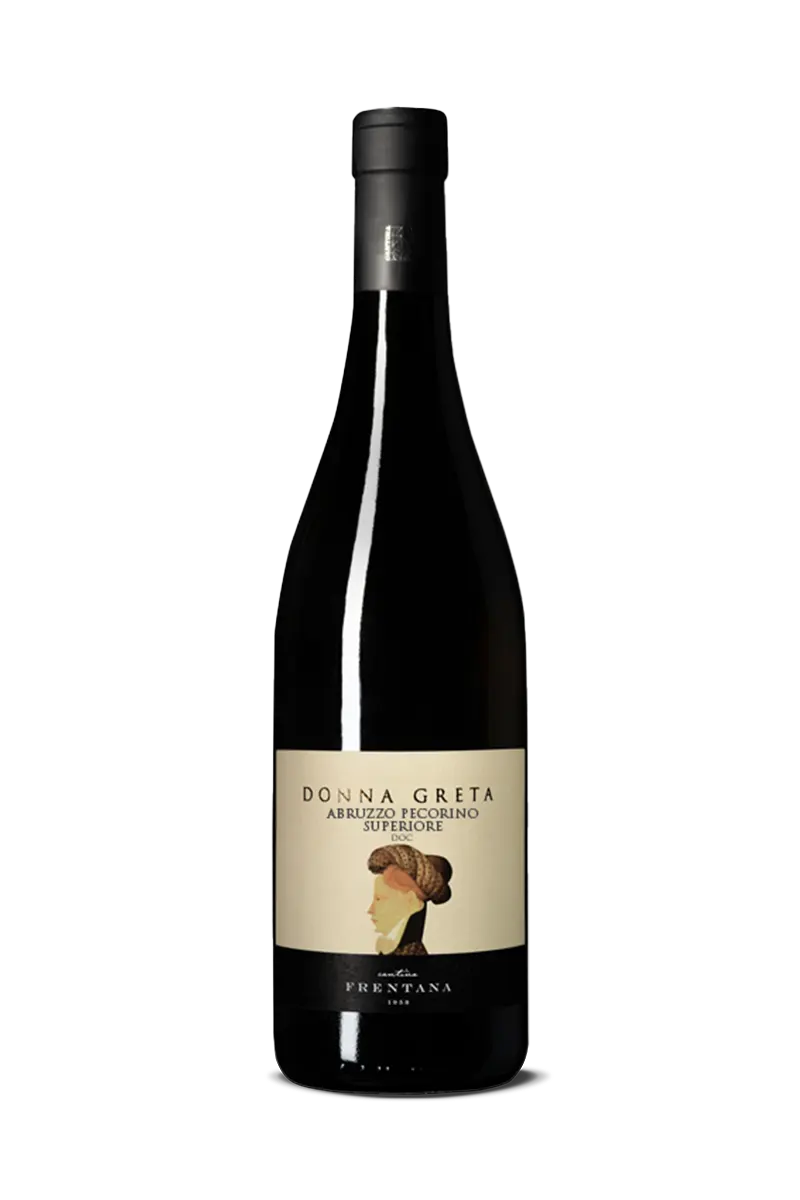
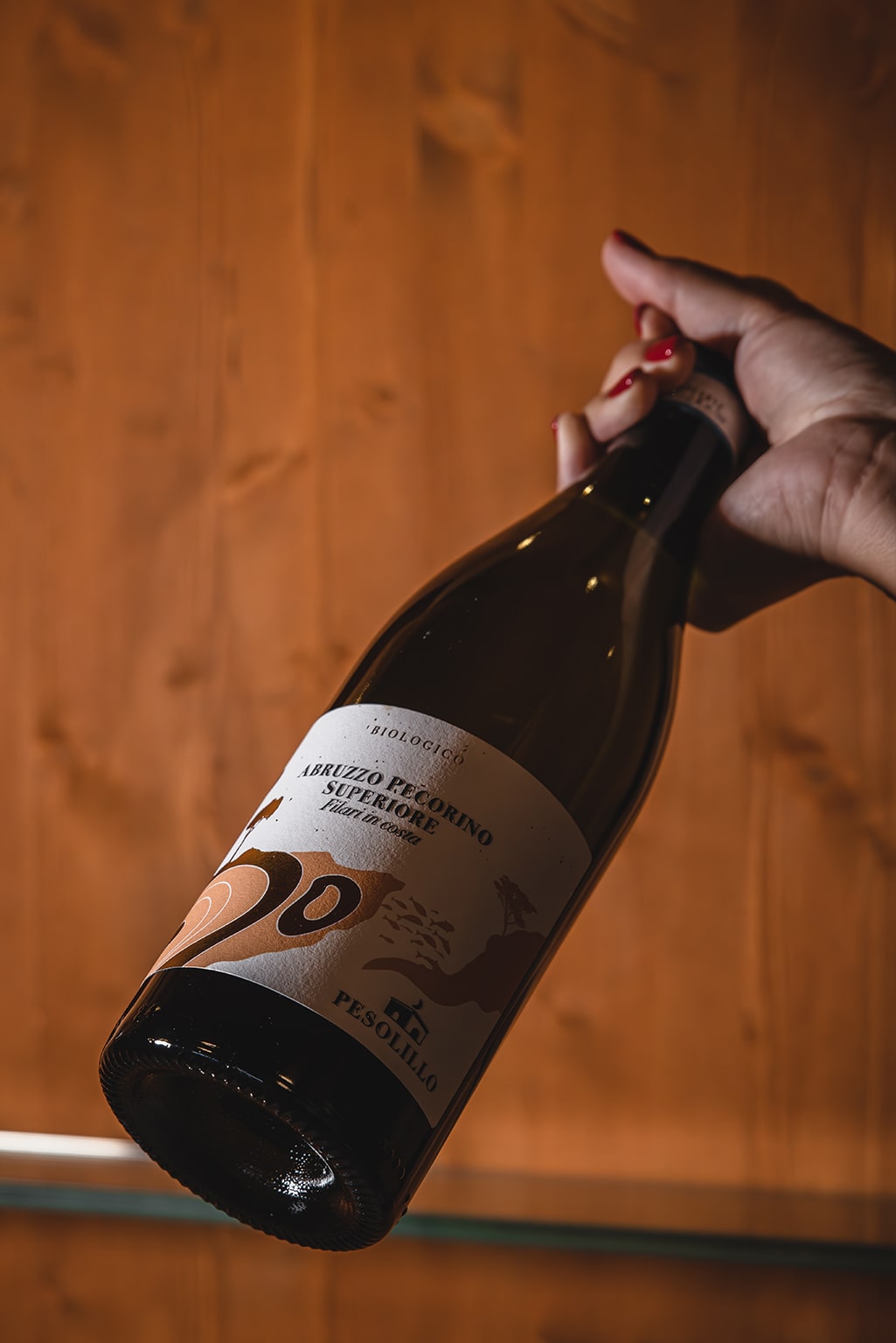
The whites have changed beyond recognition in a single generation. Trebbiano d'Abruzzo is the historic name, with quality that swings wildly depending on which Trebbiano is actually in the bottle. Alongside it, the nearly lost native varieties have come back — Pecorino, Passerina, Cococciola, Montonico — replanted from the 1980s onwards, and a good share of them now goes into sparkling wine: one in five Abruzzese bottles we track is a spumante.
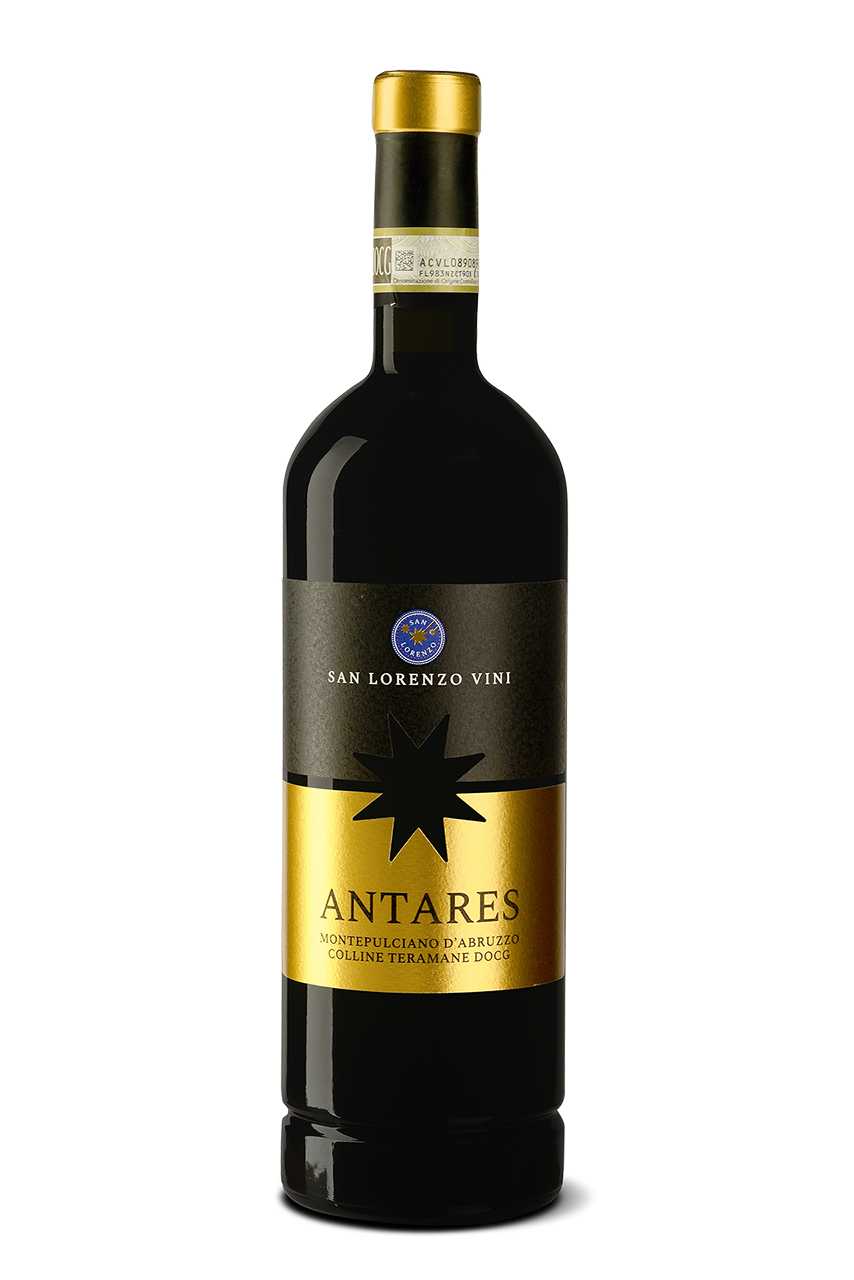
The shape of the industry explains the prices. Much of the harvest passes through cooperative cellars, and for decades it left the region in bulk to be bottled elsewhere: Abruzzo spent a long time selling very good wine without selling its own name. The appellations of the last twenty years — the Colline Teramane DOCG in 2003, Cerasuolo made a DOC in its own right in 2010 — exist precisely to give an address to what used to be generically Abruzzese.