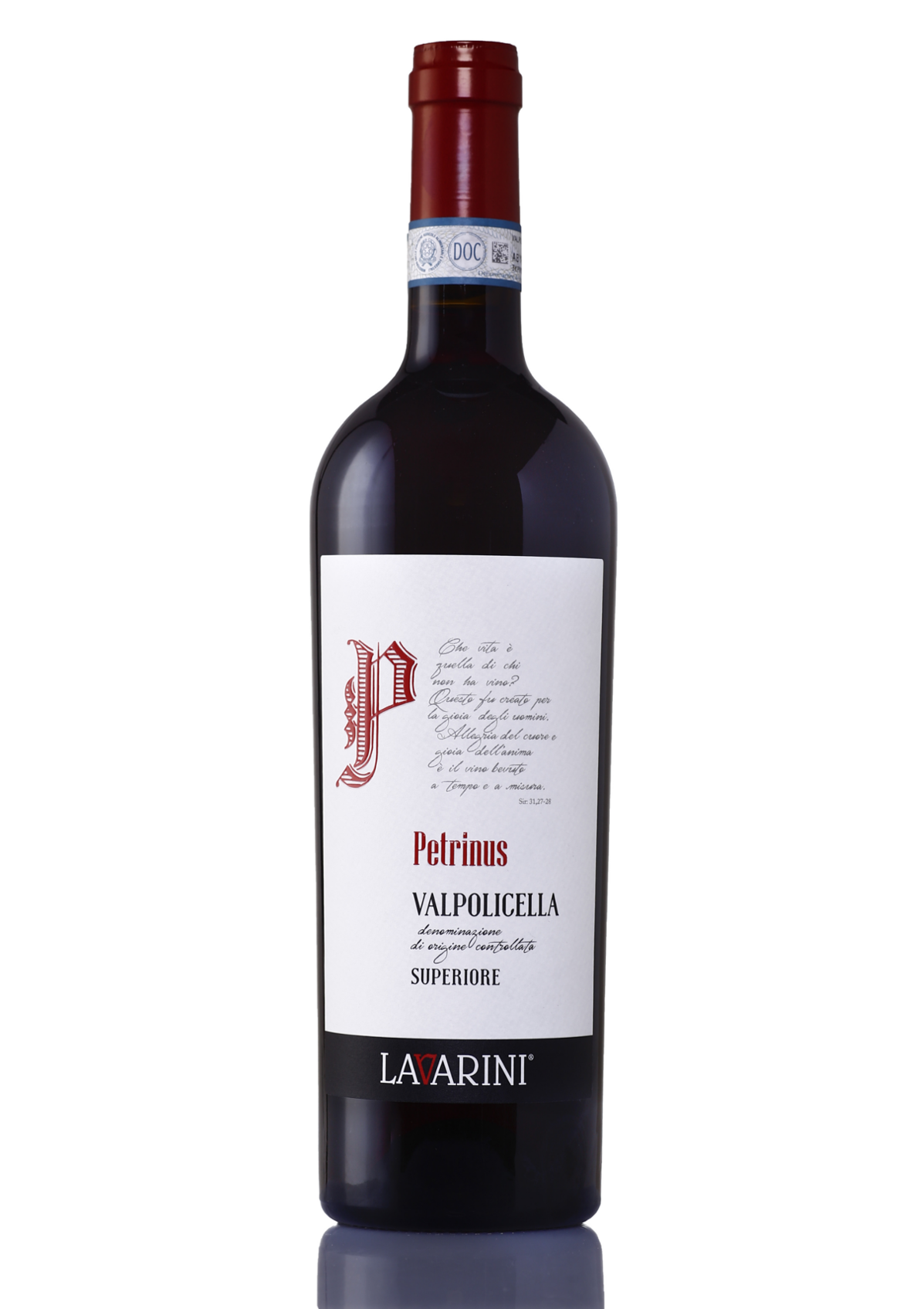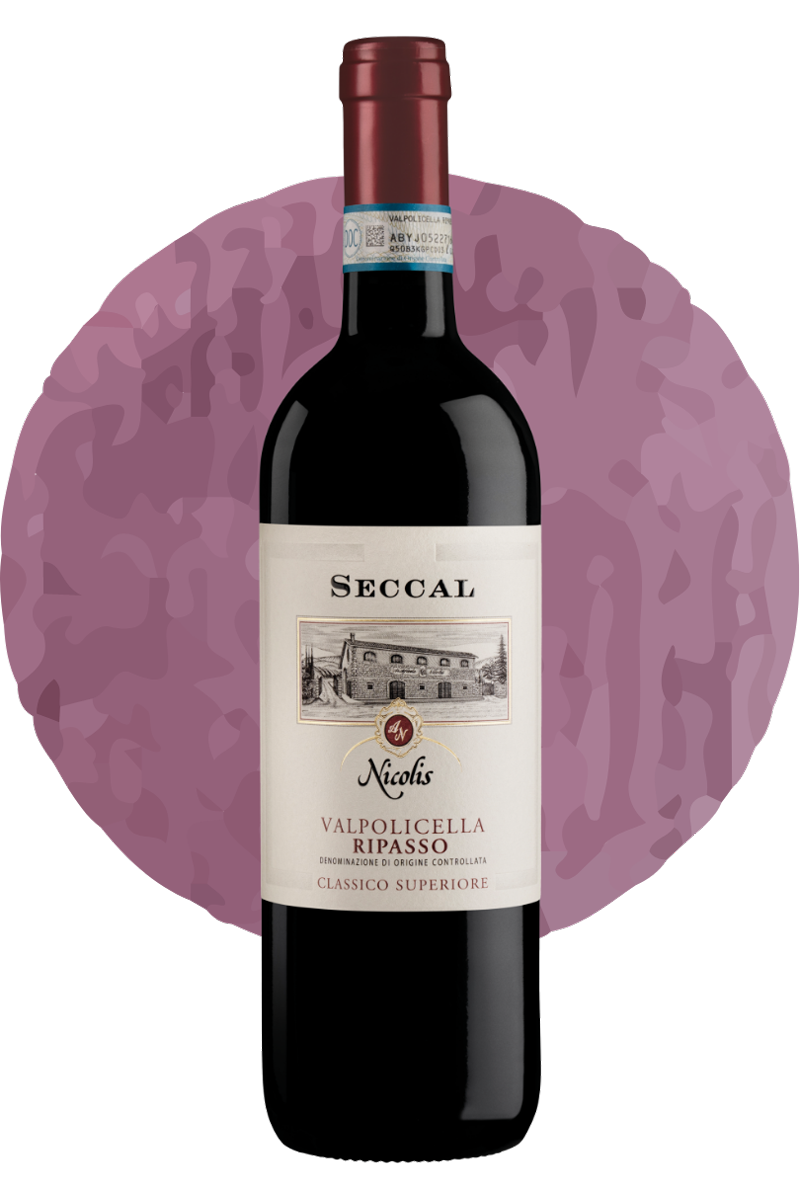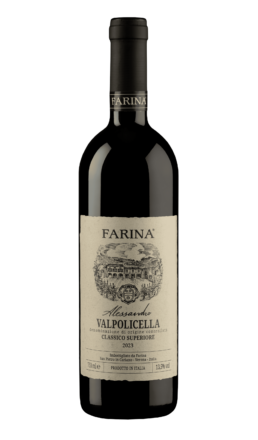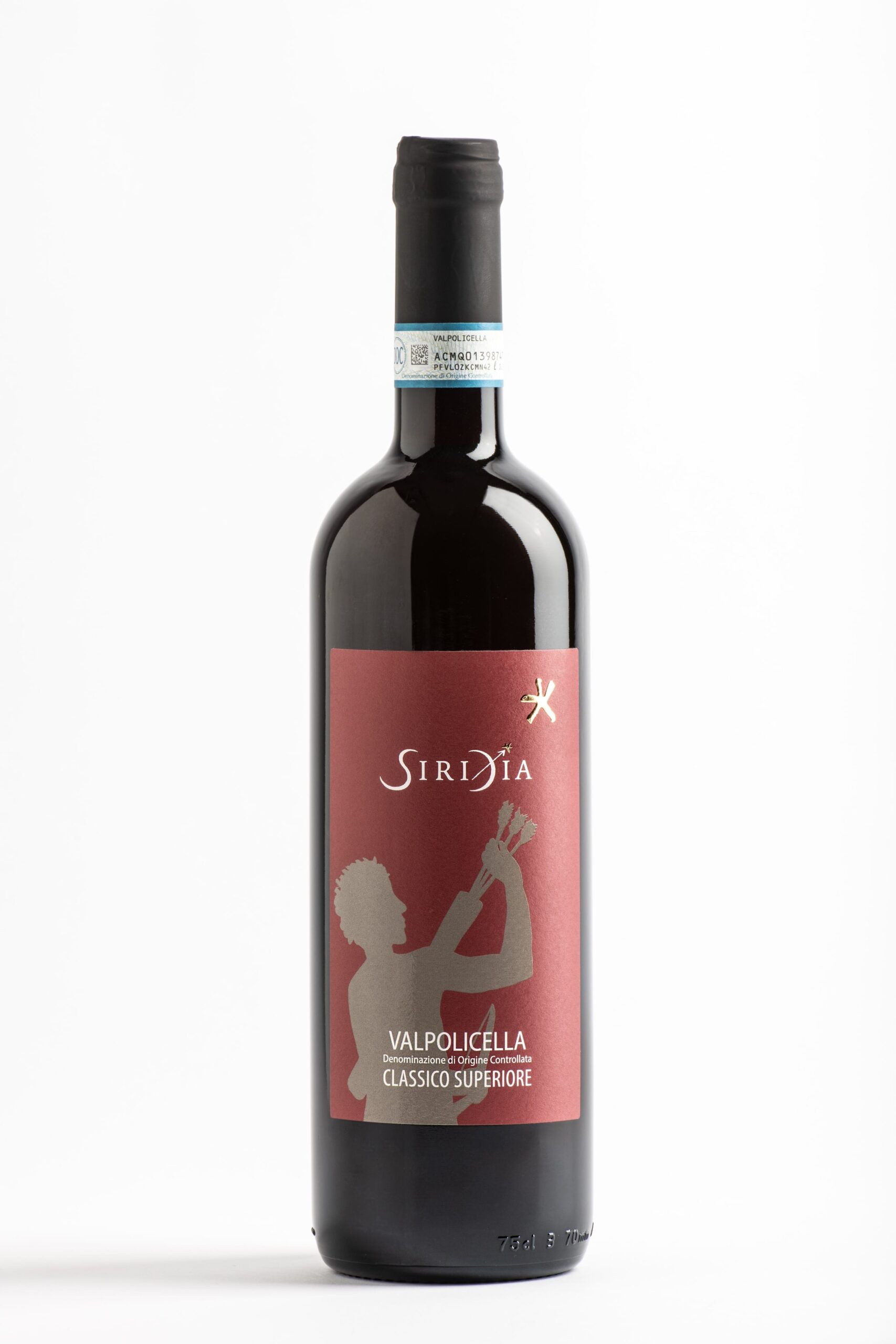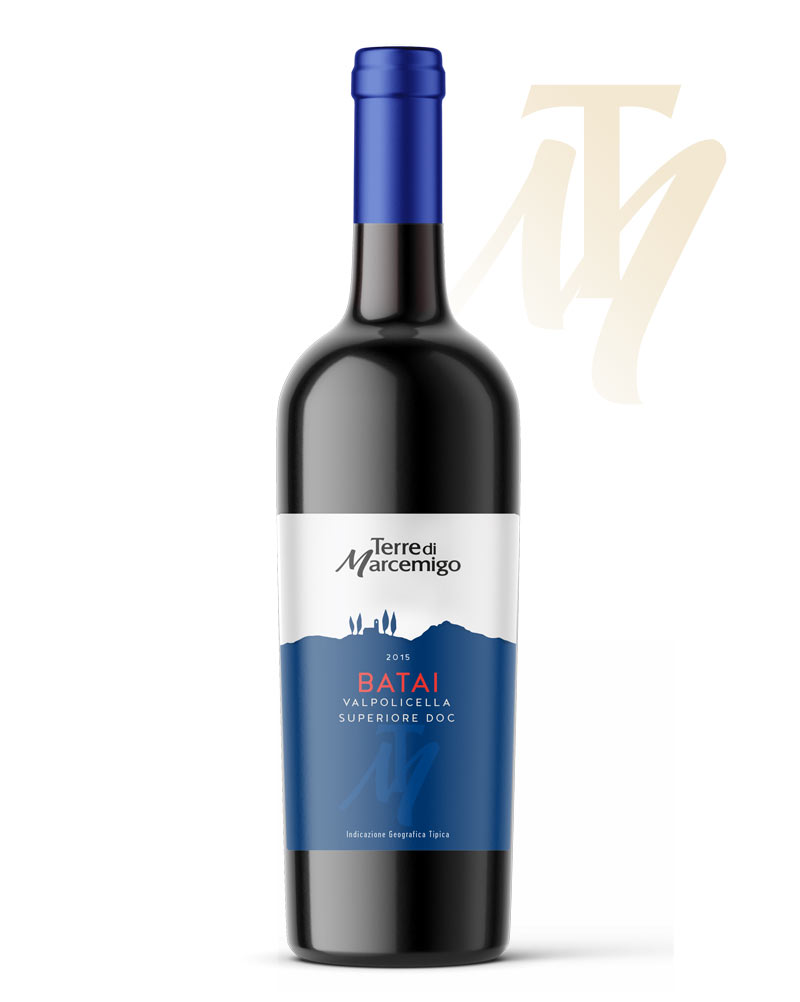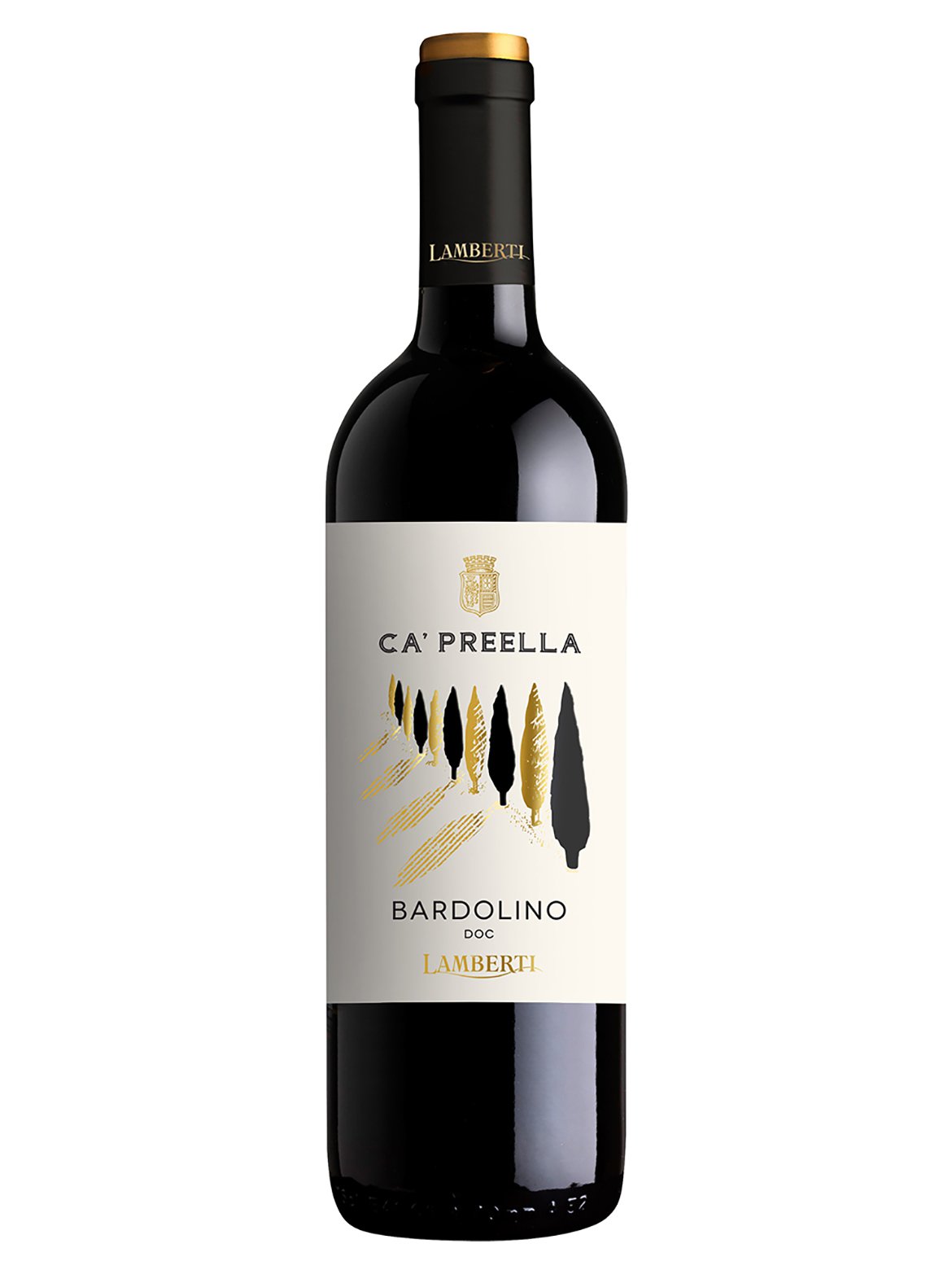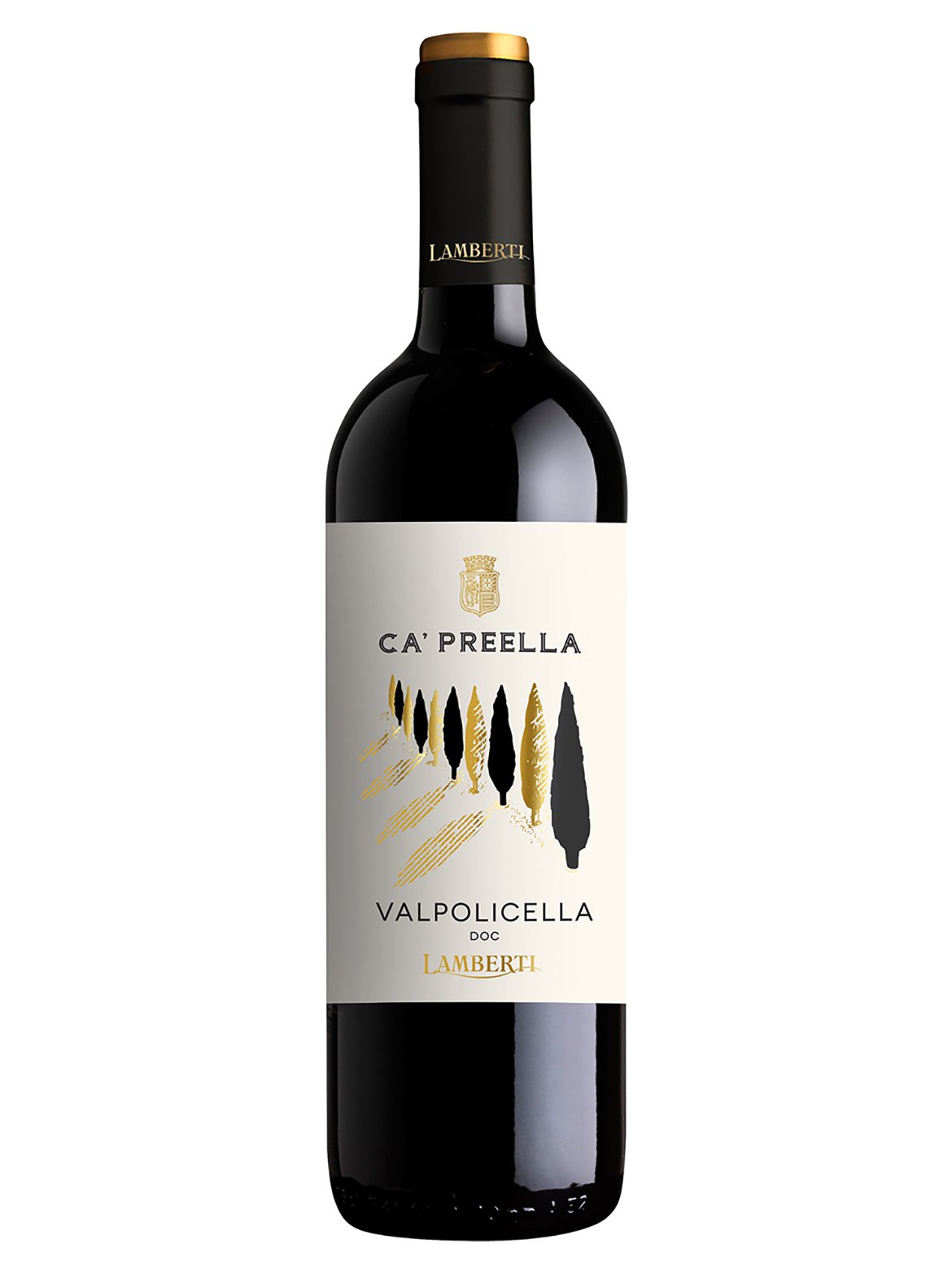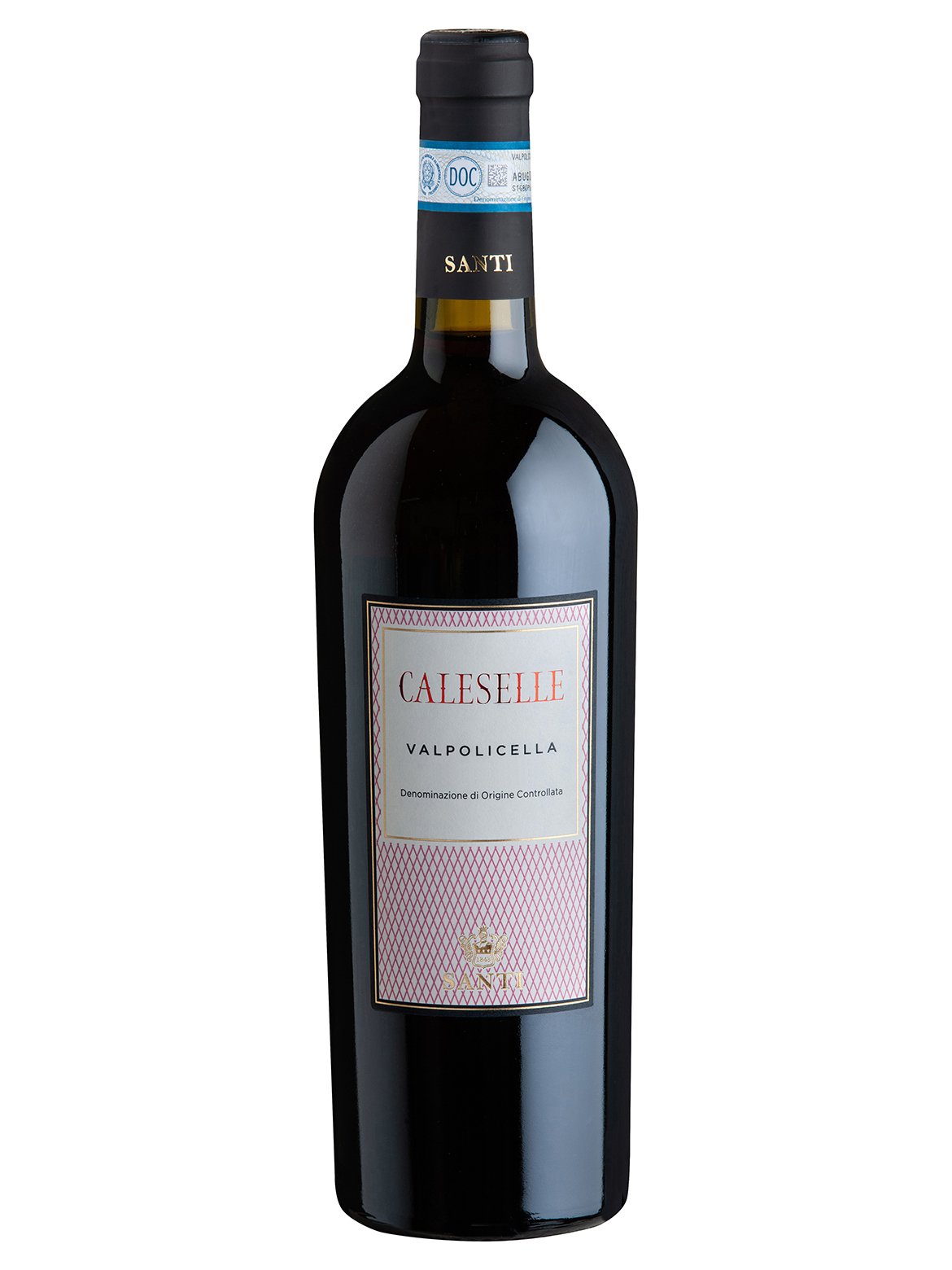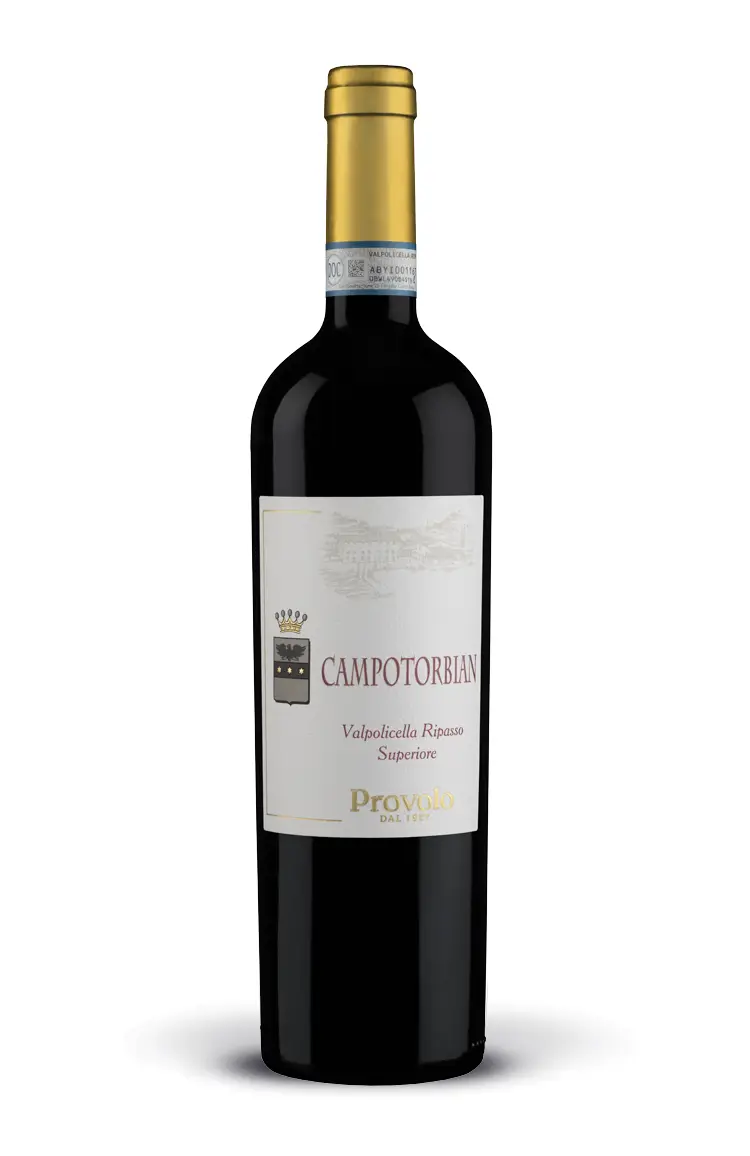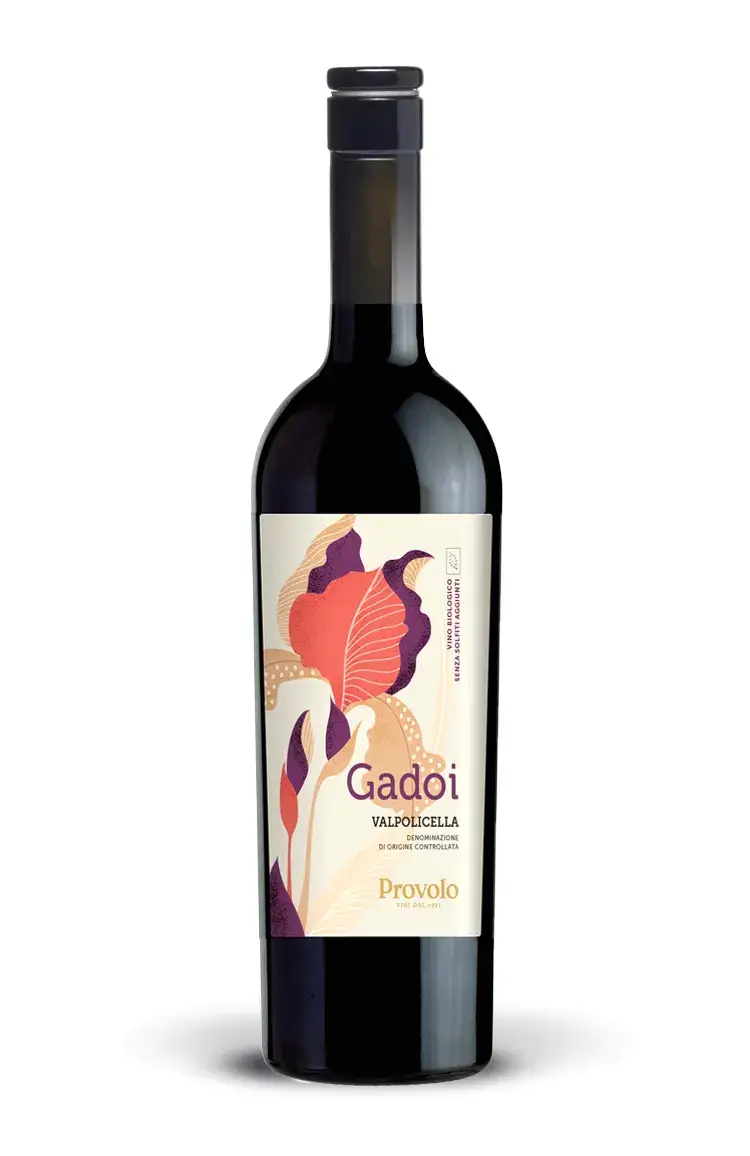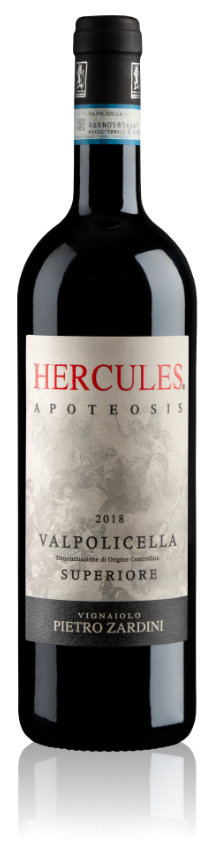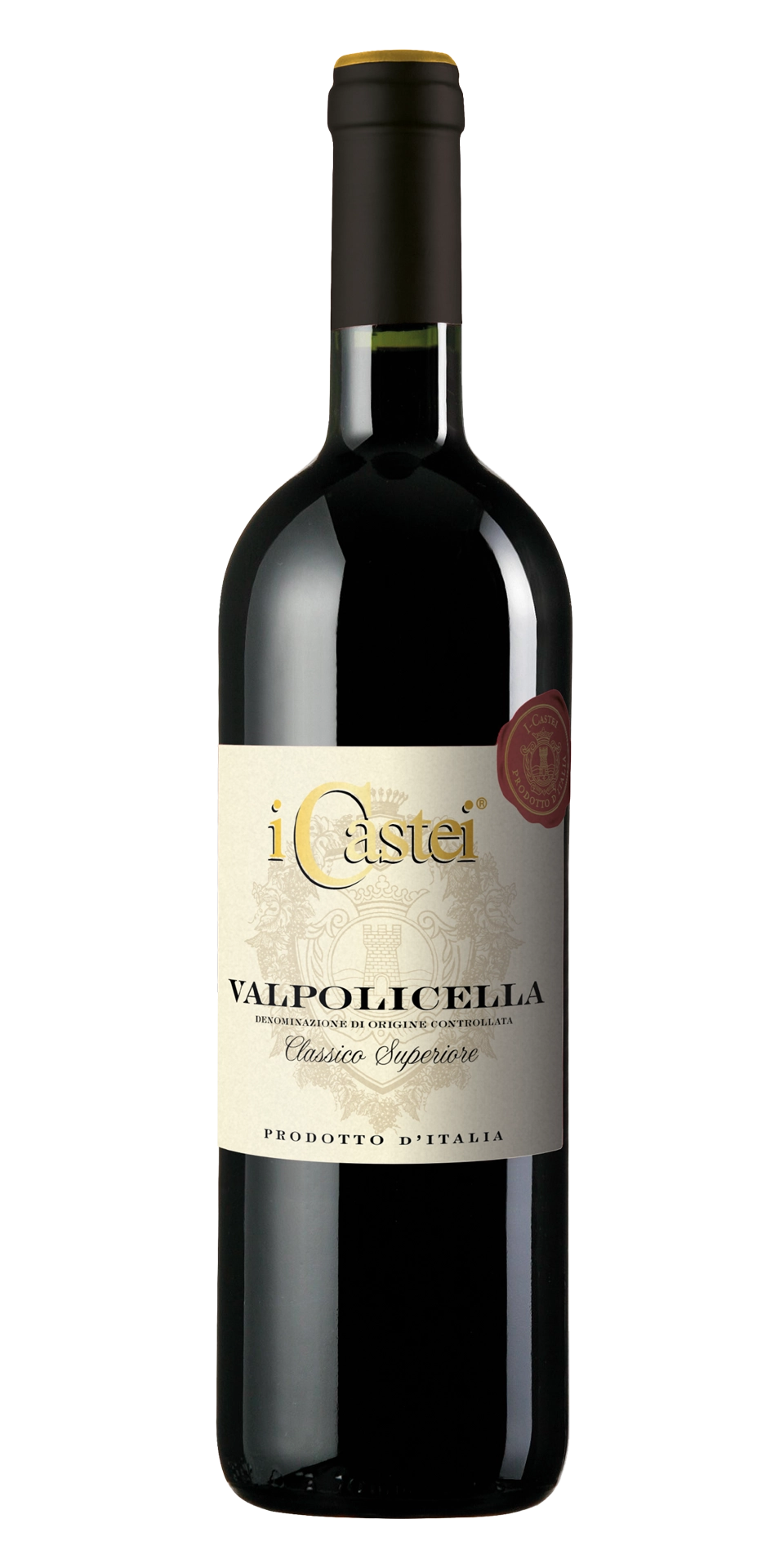


Valpolicella proper is the light one: Corvina, Corvinone and Rondinella grown in the hills north of Verona, fermented from fresh grapes, sour-cherry scented, brisk, low in tannin and best served cool. It is a DOC, and it is what the valley drinks. Superiore requires a minimum of 12 per cent alcohol and a year of aging, and sits a step up in weight.
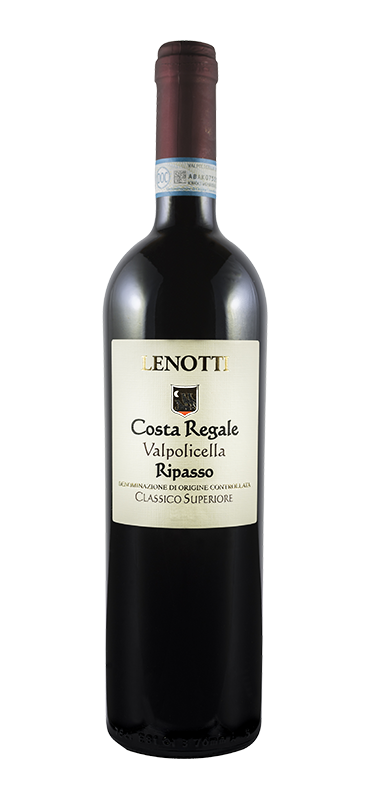
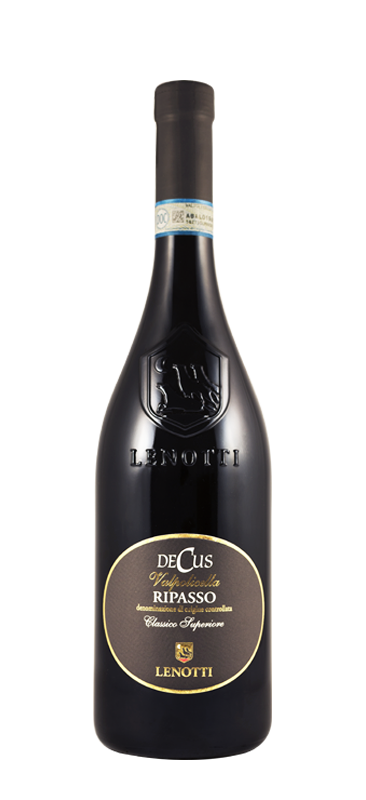
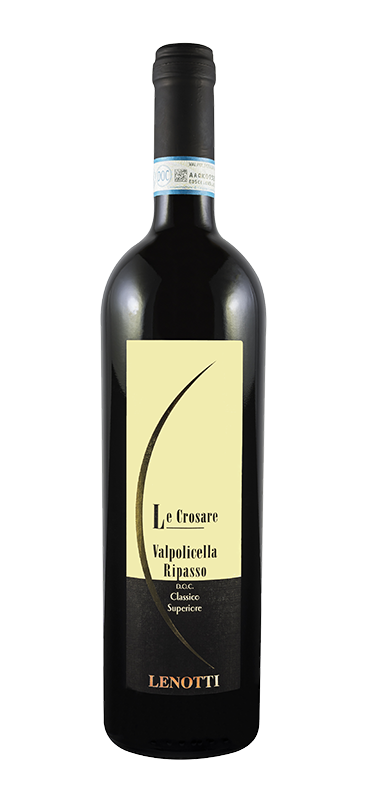
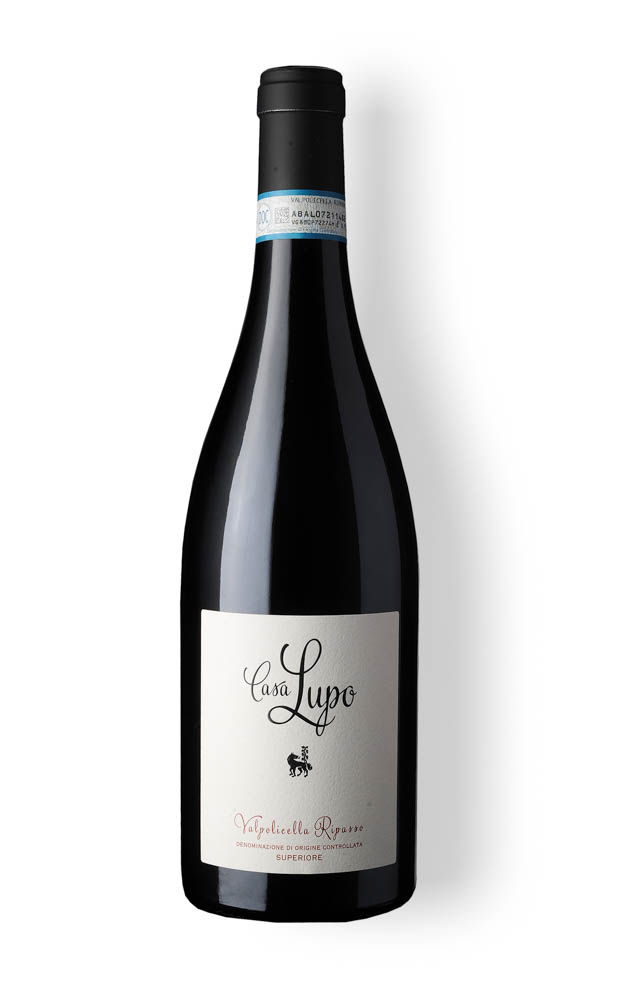
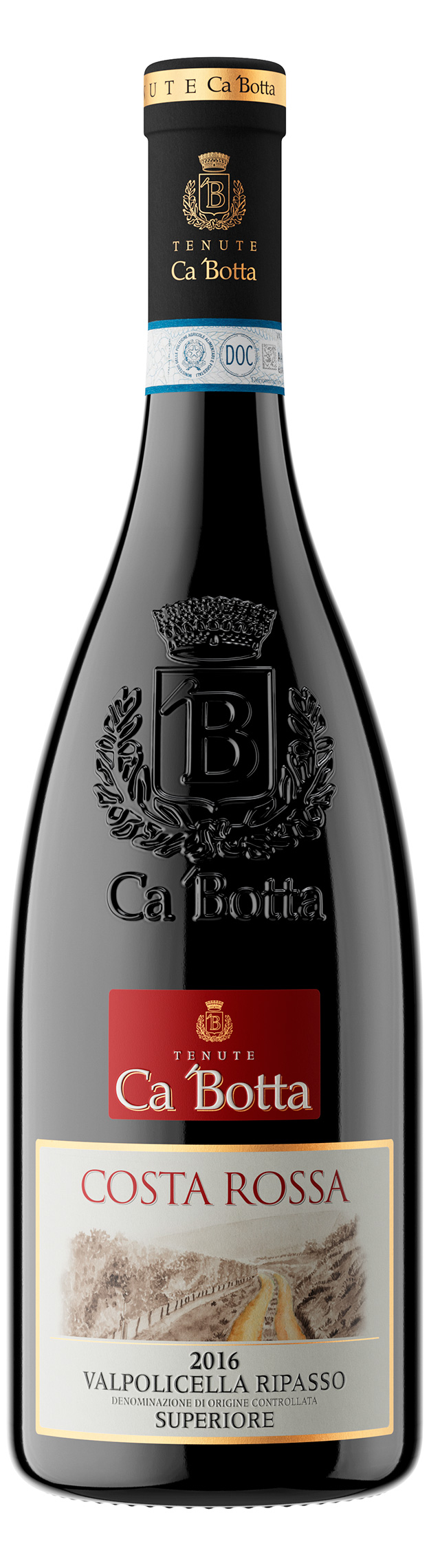
Ripasso is the middle tier and the commercially decisive one. After Amarone finishes fermenting, the pomace — the drained skins, still sugary and full of colour and tannin — is used a second time: young Valpolicella is passed back over it and refermented. The wine picks up body, alcohol, and a touch of the dried-fruit character of its bigger sibling. It was granted its own DOC in 2010, having previously existed as a technique rather than a category.
The four categories are best understood as a single continuous scale of concentration rather than a quality ladder: Valpolicella, Ripasso, Amarone, Recioto, running from fresh and fifteen-euro to dried, sweet and rare. A well-made Valpolicella Classico is not a failed Amarone; it is a different wine for a different Tuesday.
Classico refers to the five western communes; Valpantena is a separate named valley to the east of them. Both may appear on the label, and both mean something specific about where the fruit grew.