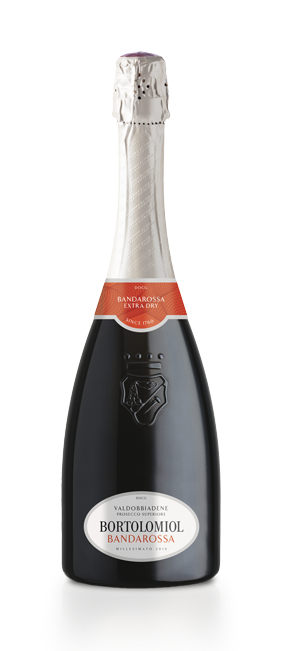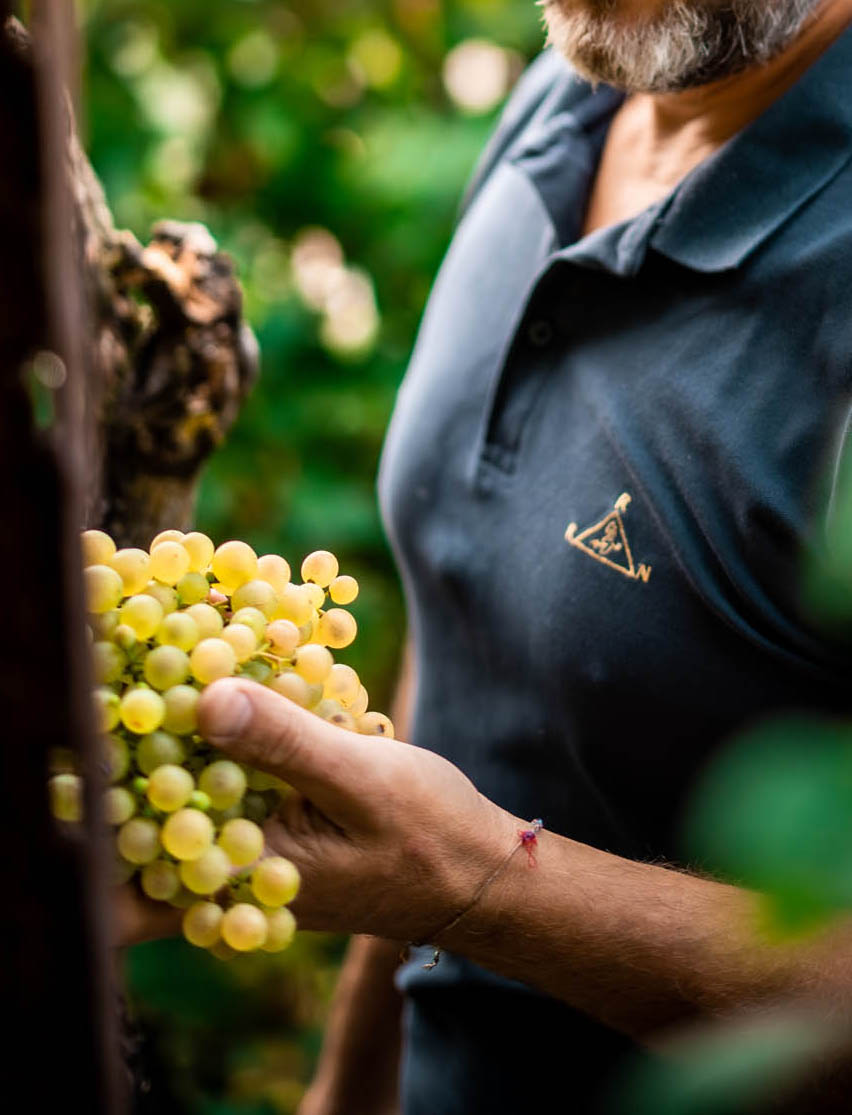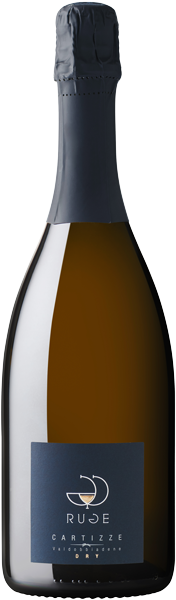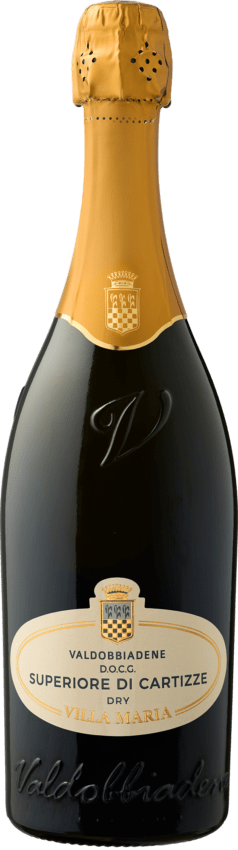


Almost all Prosecco is Prosecco DOC, a very large flatland appellation spanning nine provinces across Veneto and Friuli. Conegliano Valdobbiadene Prosecco Superiore DOCG is the historic core: a narrow band of near-vertical hills in the province of Treviso, promoted to DOCG in 2009. The slopes are steep enough that the work is done by hand — viticoltura eroica, heroic viticulture — and in 2019 UNESCO inscribed the landscape as a World Heritage site.
The grape is Glera, minimum 85 per cent. The wine is made by the Martinotti or Charmat method, with the second fermentation in pressurised tank rather than in bottle. This is a deliberate choice rather than a cheaper shortcut: Glera's aromatics are delicate, floral and pear-like, and the long lees contact of the traditional method would bury them under bready autolytic character. The method serves the grape.
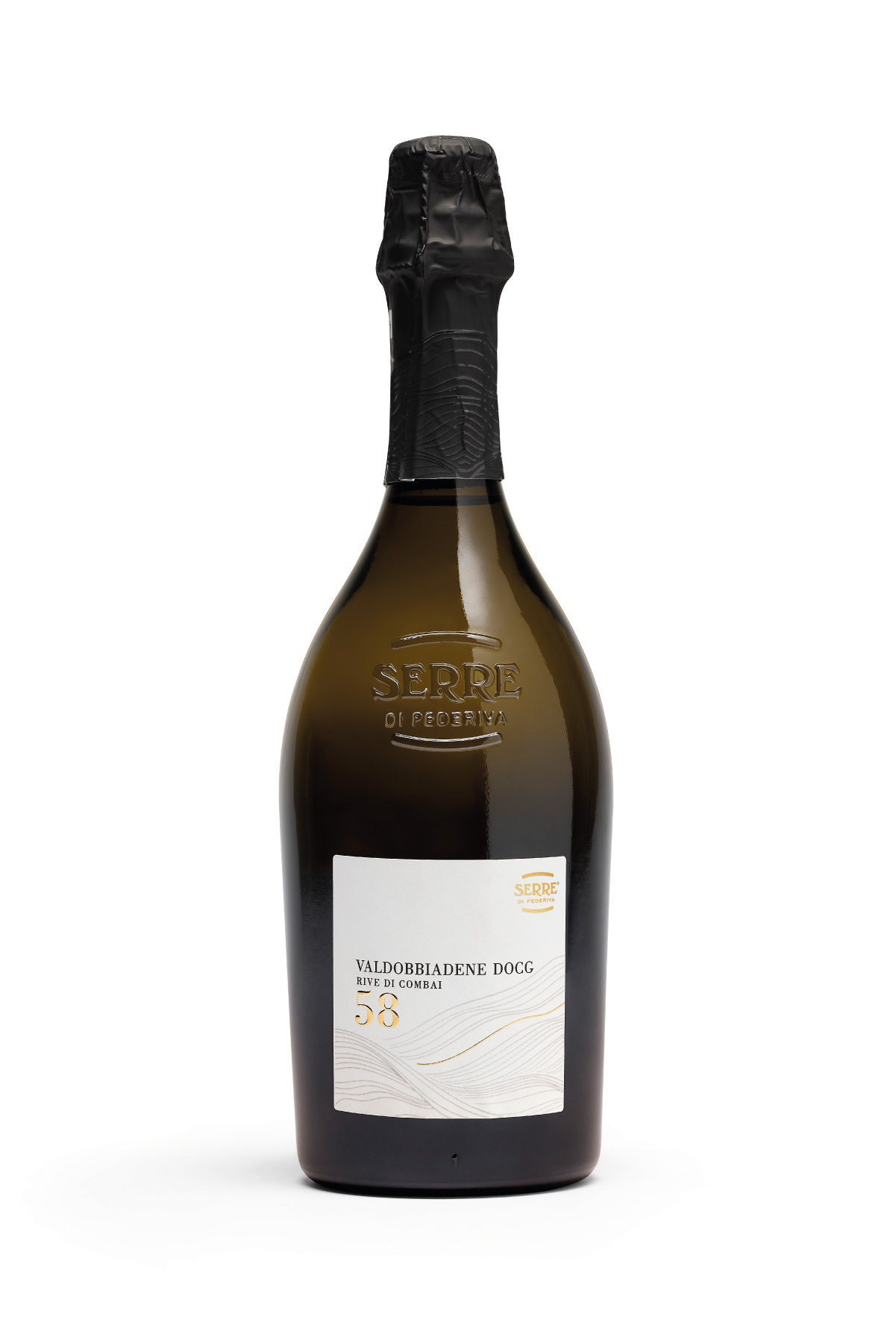
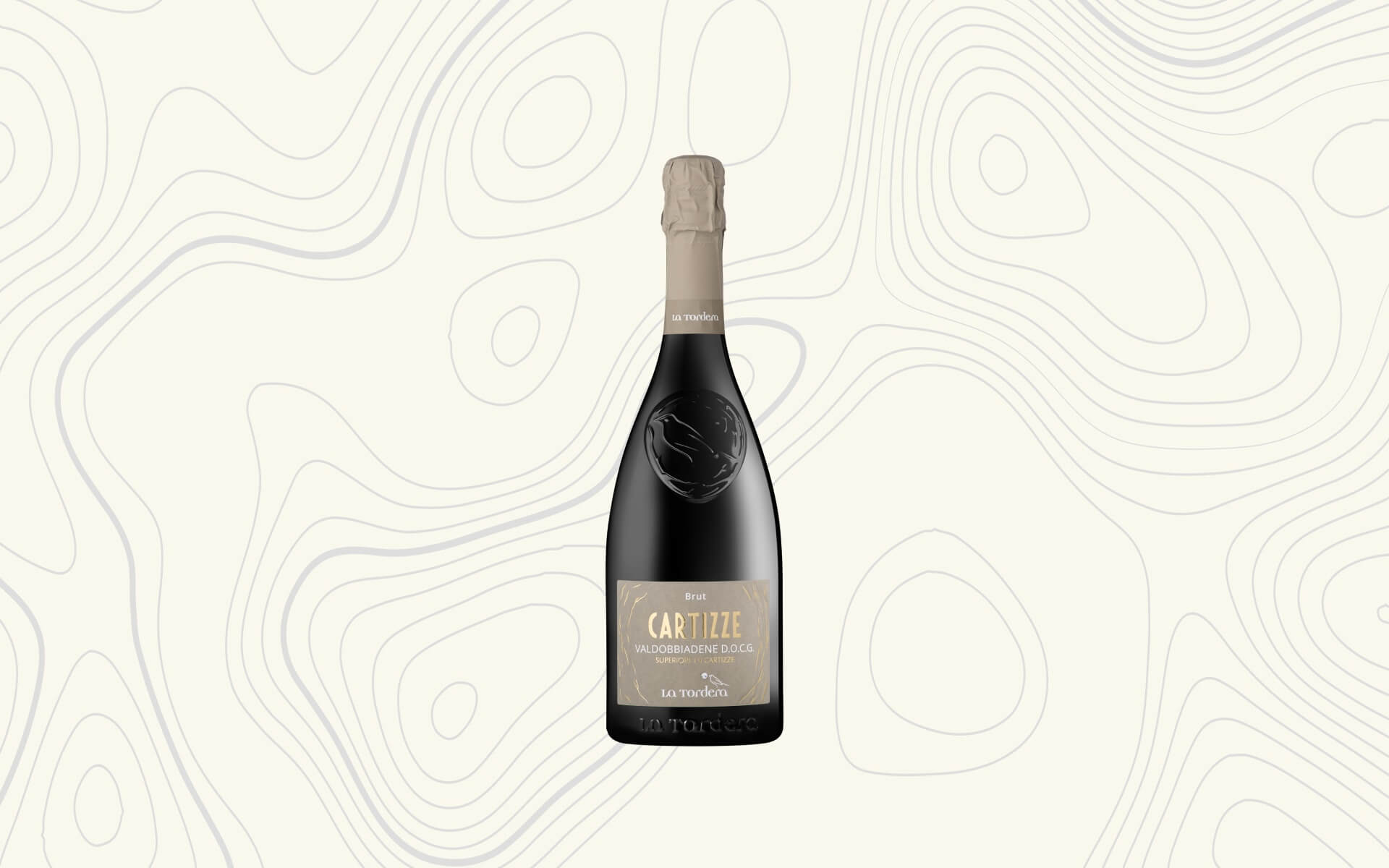
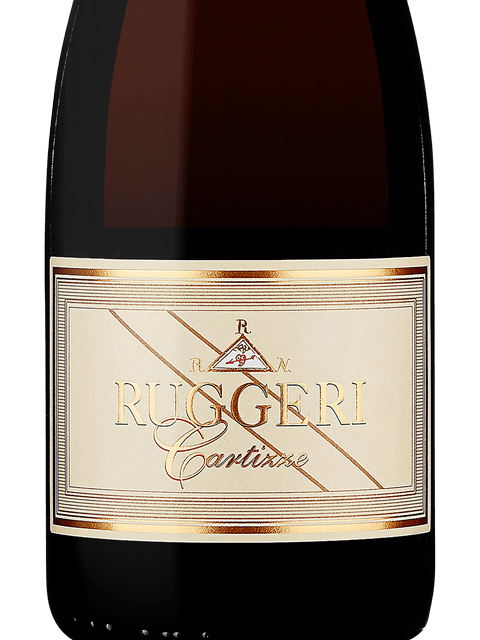
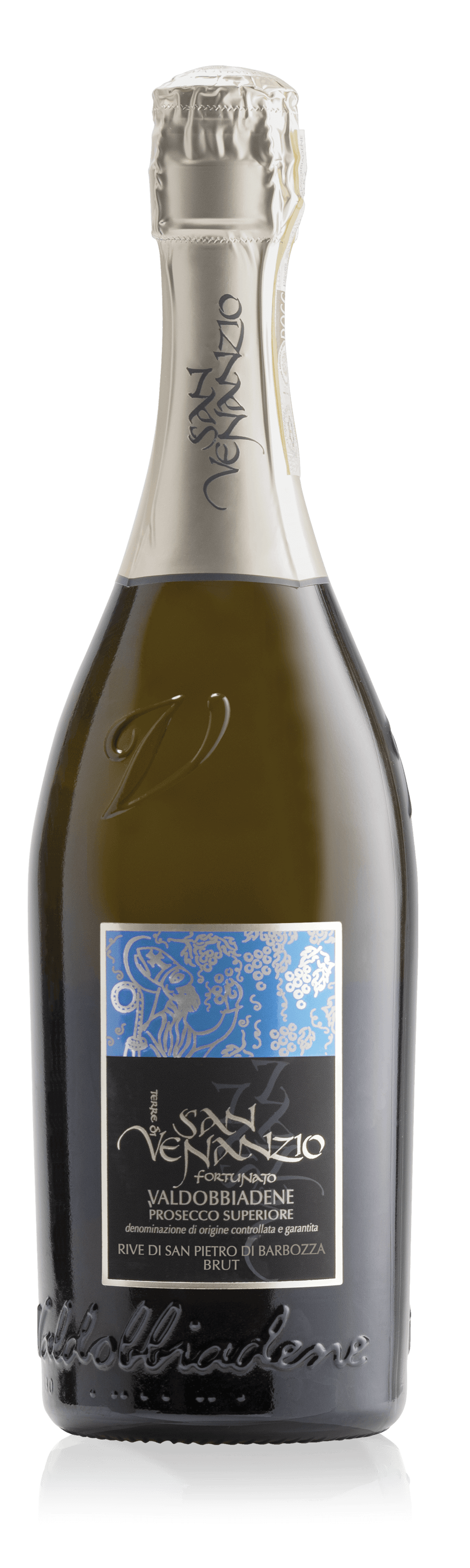
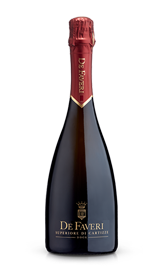
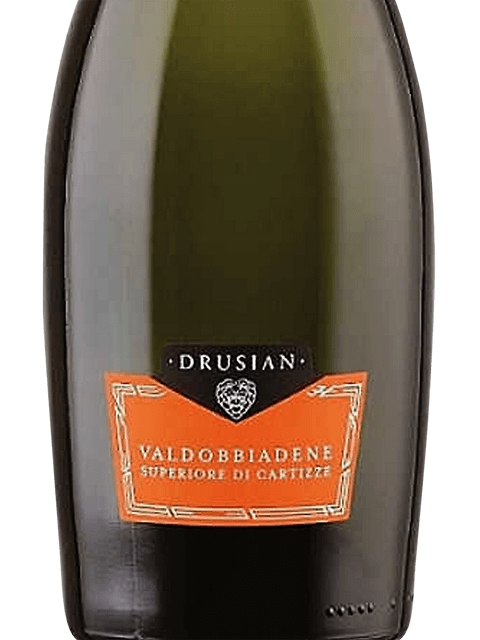
Two terms narrow the focus further. Rive, of which there are forty-three, denote single steep hillsides and require hand harvesting and a vintage on the label. Cartizze is the celebrated 108-hectare parcel above Valdobbiadene, split between the hamlets of San Pietro di Barbozza, Santo Stefano and Saccol, and typically bottled in the Dry style — noticeably sweeter, which surprises people who assume the most prestigious bottle must be the driest.
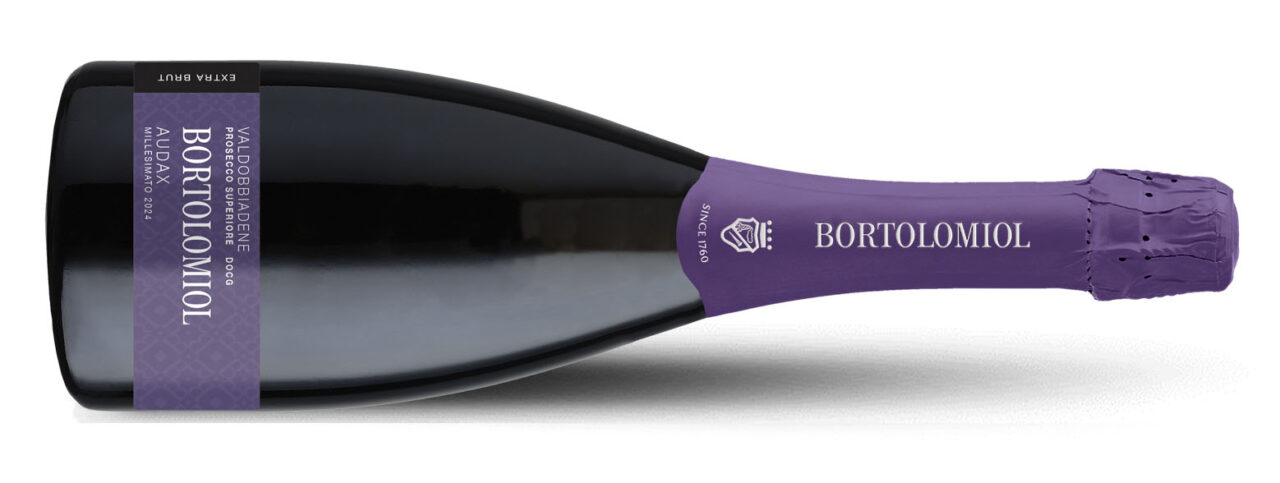
Which brings up the one thing worth knowing before you buy: on Prosecco, the sweetness ladder runs Brut Nature, Extra Brut, Brut, Extra Dry, Dry — and Extra Dry, despite the name, is sweeter than Brut. Extra Dry is the traditional Valdobbiadene style, and it is what the hills were making long before the international market decided that dry meant serious.