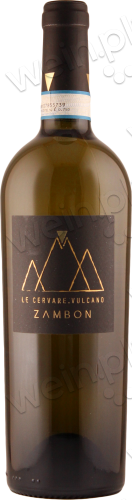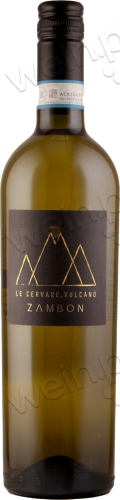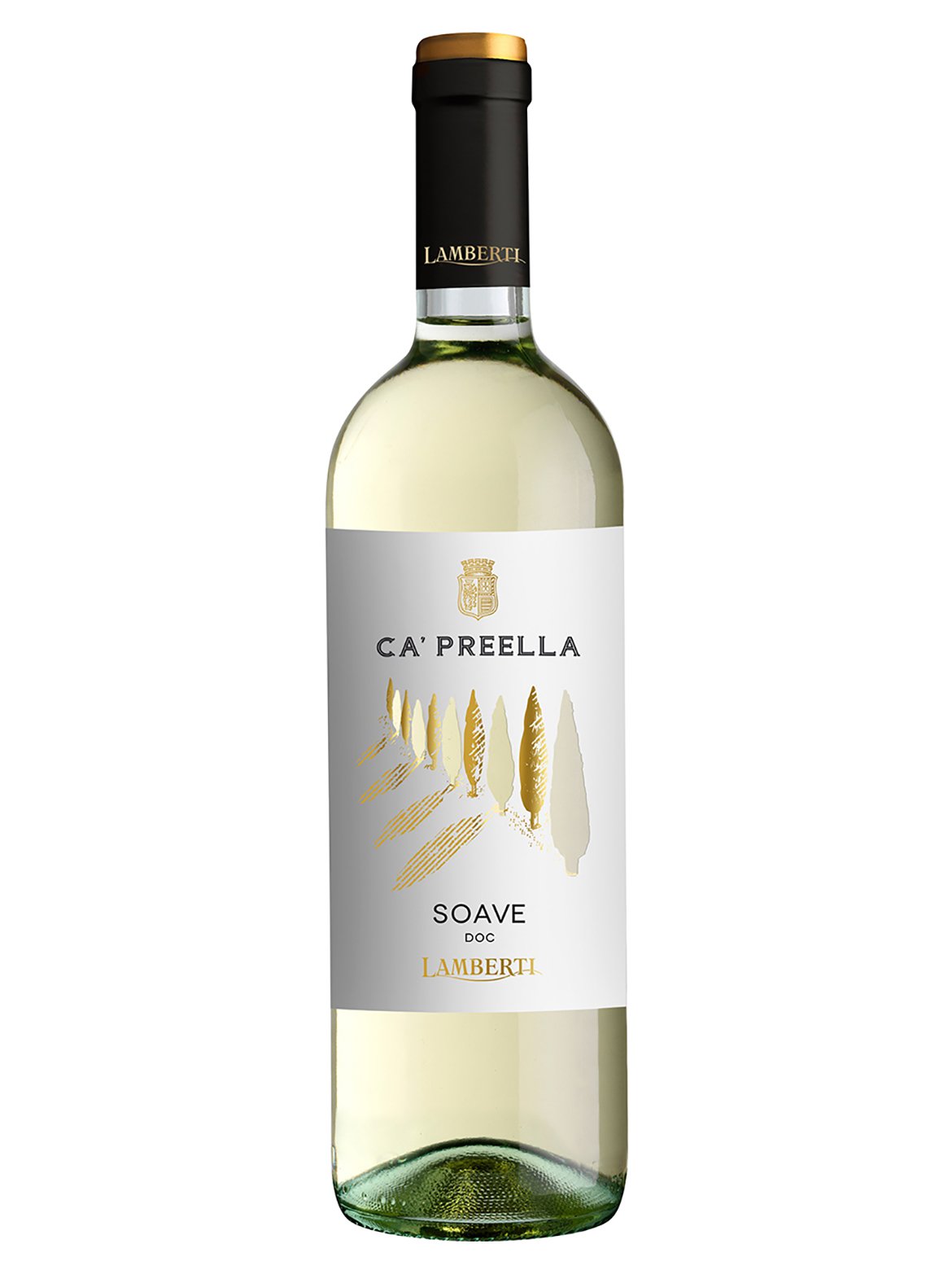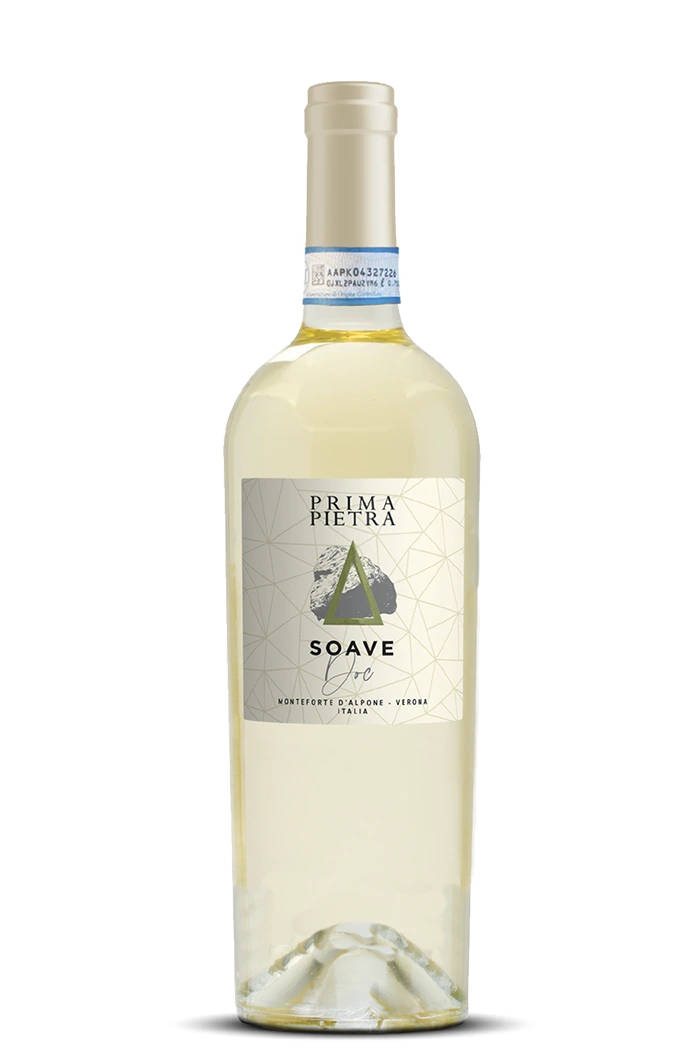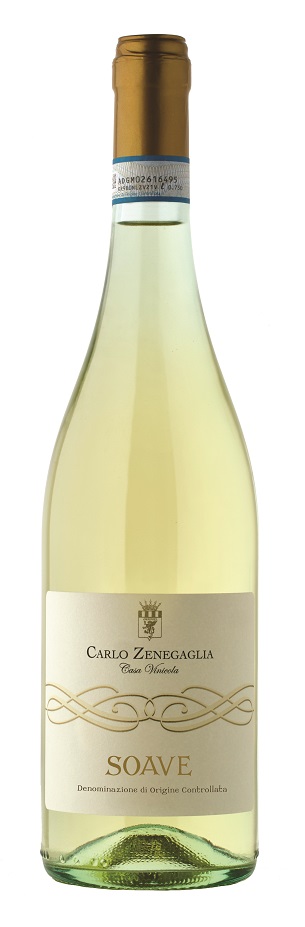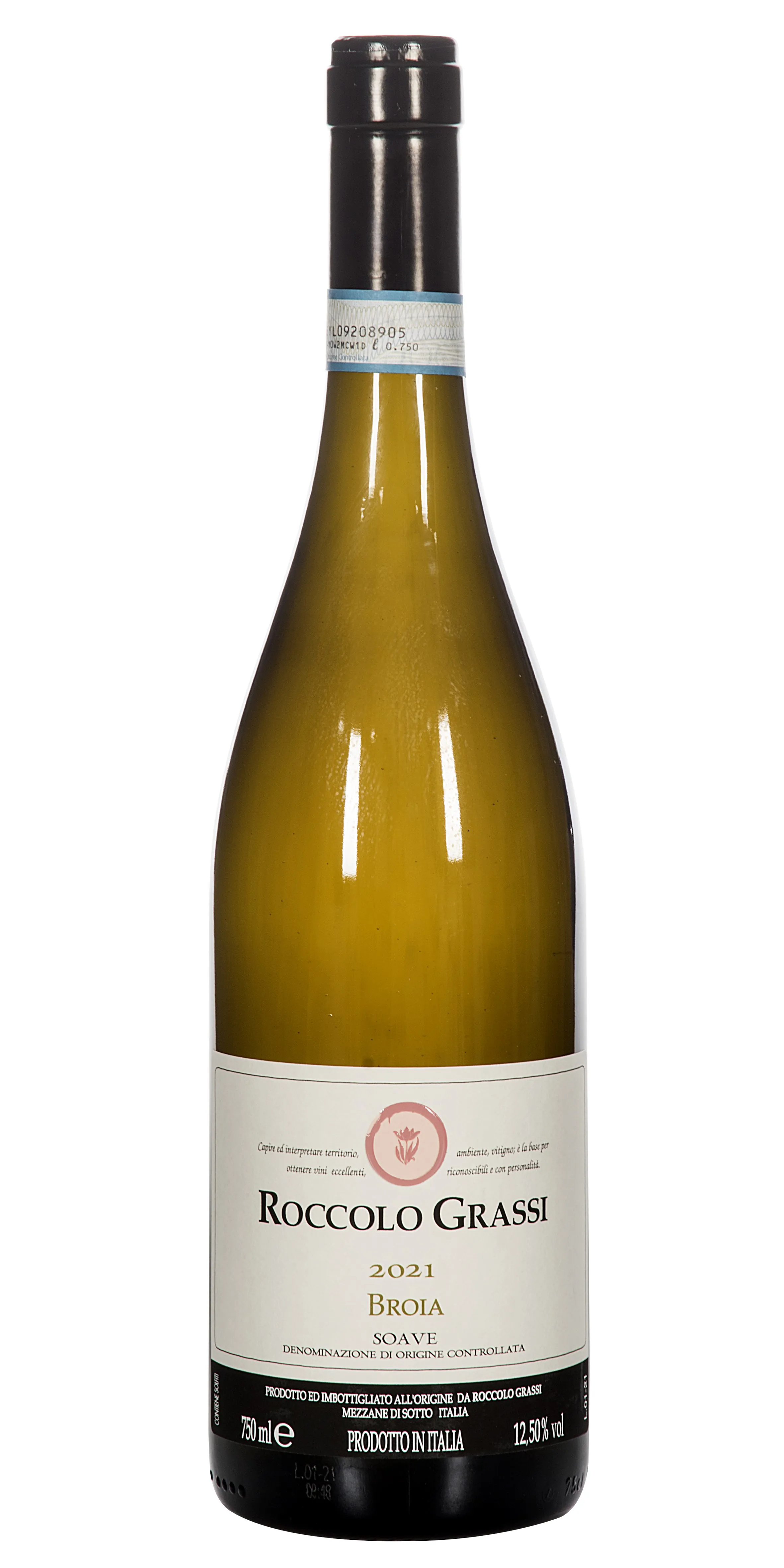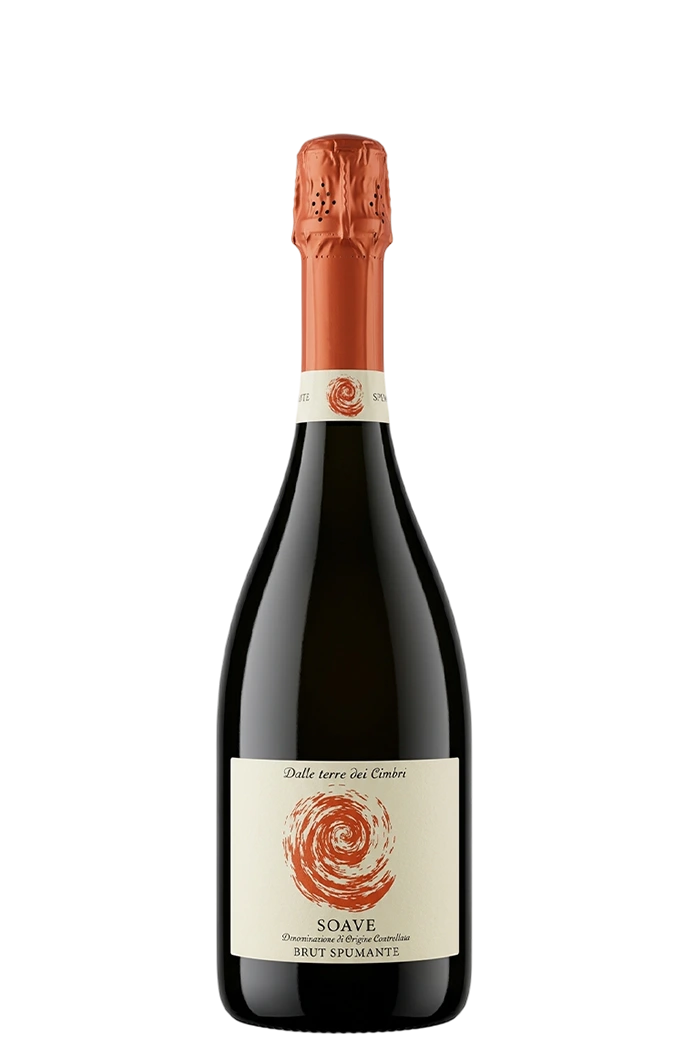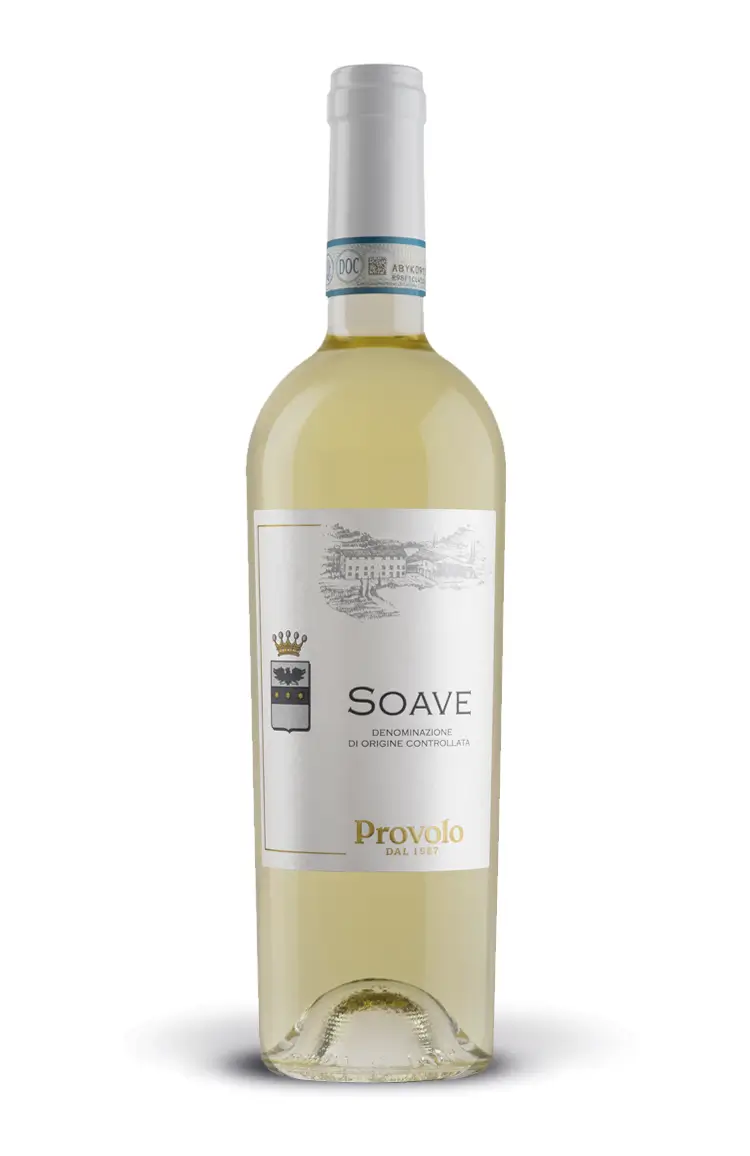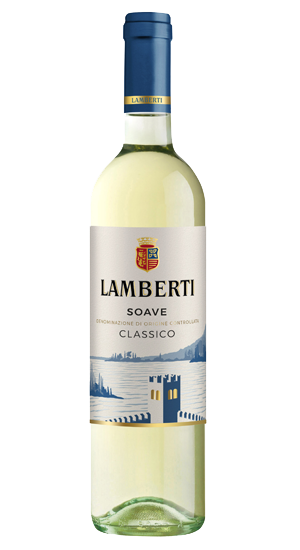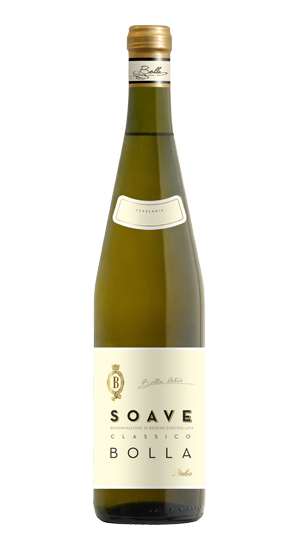


Soave lies east of Verona and has been a DOC since 1968. The grape is Garganega, minimum 70 per cent, which may be joined by Trebbiano di Soave or Chardonnay. What makes the territory interesting is the ground: the Classico zone, on the hills around Soave and Monteforte d'Alpone, sits on dark volcanic basalt, while the flatter land is calcareous and alluvial. The difference in the glass is obvious; the label does not always make it so.
Through the 1970s and 1980s the name became a byword for cheap industrial white, and the reputation suffered for a long time afterwards. Yields were then cut and the hillsides revalued: Soave Superiore has been DOCG since 2001, and Recioto di Soave, sweet and made from dried grapes, had already become Veneto's first DOCG in 1998.
A good hillside Soave has little to do with the memory of anonymous white wine: bitter almond, ripe citrus, an almost saline savour, and a little-known capacity to gain complexity after five or six years. Measured against its price, it is among the most undervalued whites in Italy.