

Roero lies on the left bank of the Tanaro, across the river from the Langhe of Barolo and Barbaresco. The difference between the two banks is not prestige but geology: the soils here are Pliocene sands, looser and younger than the Langhe marls. The Nebbiolo they give is more perfumed, finer in tannin and ready earlier. Roero has been a DOC since 1985 and a DOCG since 2004; the landscape forms part of the UNESCO site inscribed in 2014 together with the Langhe and Monferrato.
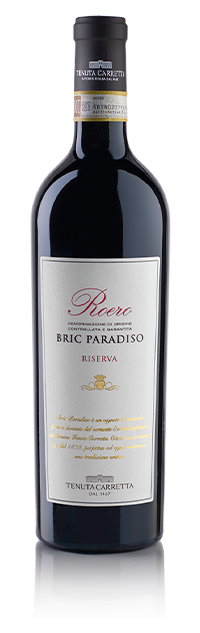
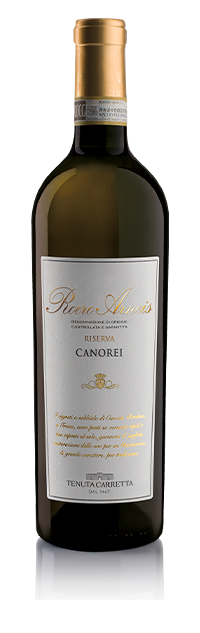
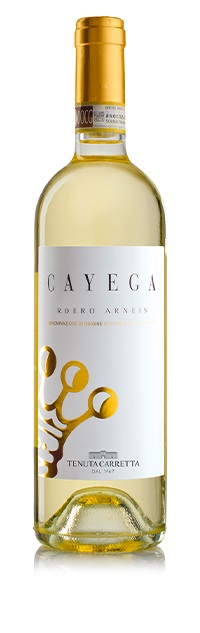
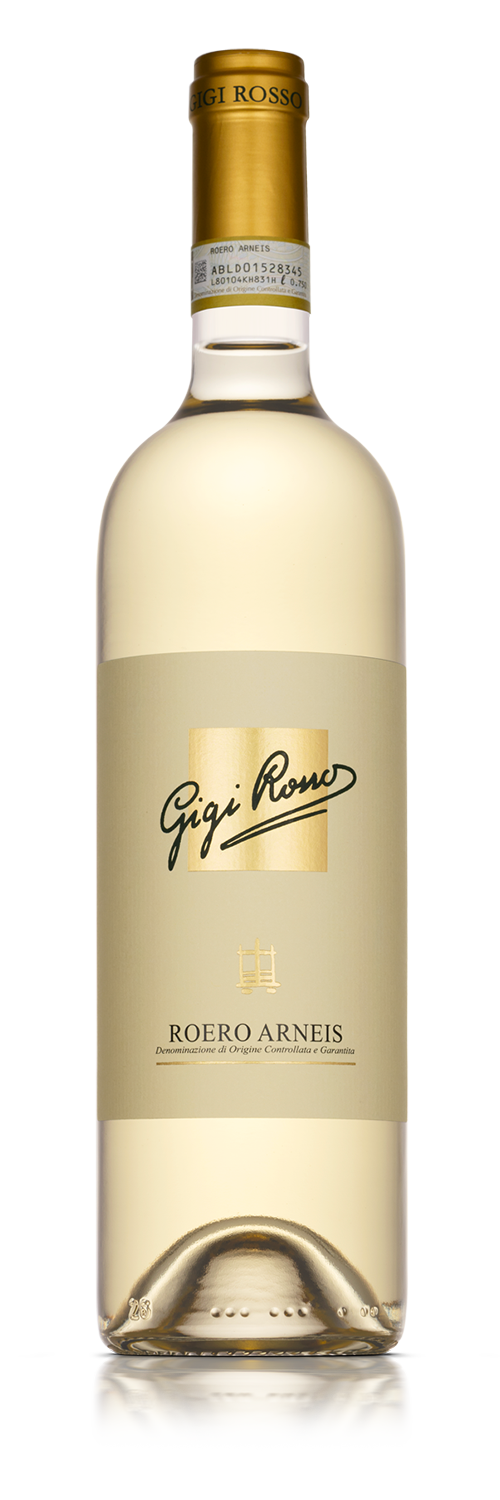
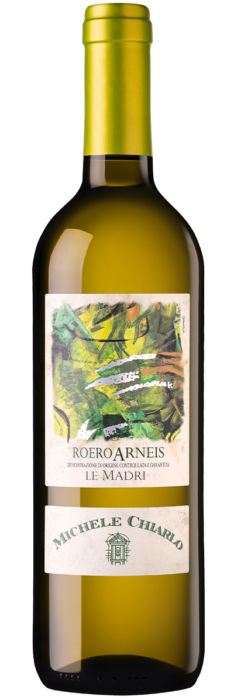
A single appellation covers two wines that are nothing like each other. Roero is the red, at least 95 per cent Nebbiolo, with a minimum twenty months of aging of which six in wood, thirty-two for the Riserva. Roero Arneis is the white, at least 95 per cent Arneis. Order "a Roero" without specifying and either could arrive.
Arneis deserves its own history. By the 1960s it had nearly disappeared: an awkward, low-yielding variety kept in the rows beside Nebbiolo more to distract birds than to make wine. The name means something close to "little rascal" in Piedmontese, a reference to how difficult the grape is in the vineyard and in the cellar. Its reintroduction as a varietal wine from the late 1960s is one of Piedmont's successful varietal rescues.
In the glass Arneis is a medium-bodied white with pear and almond and moderate acidity — which is why it is best drunk fairly young. The red Roero is the choice for anyone who wants Nebbiolo without the wait Barolo and Barbaresco demand, at a price that is not the one across the river.