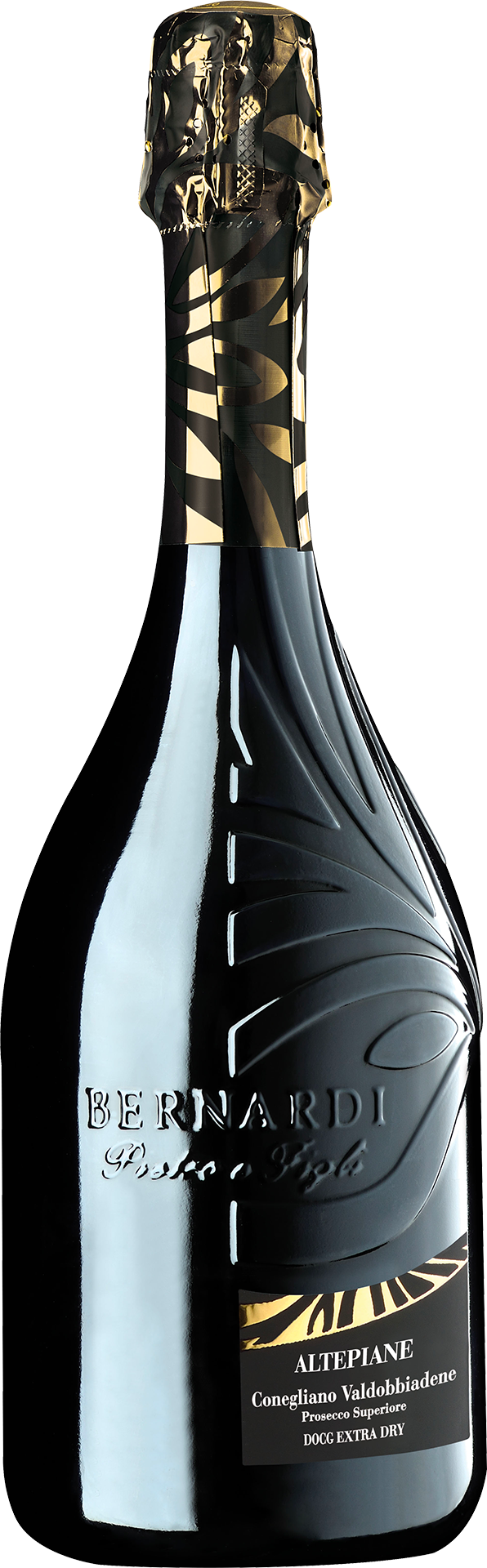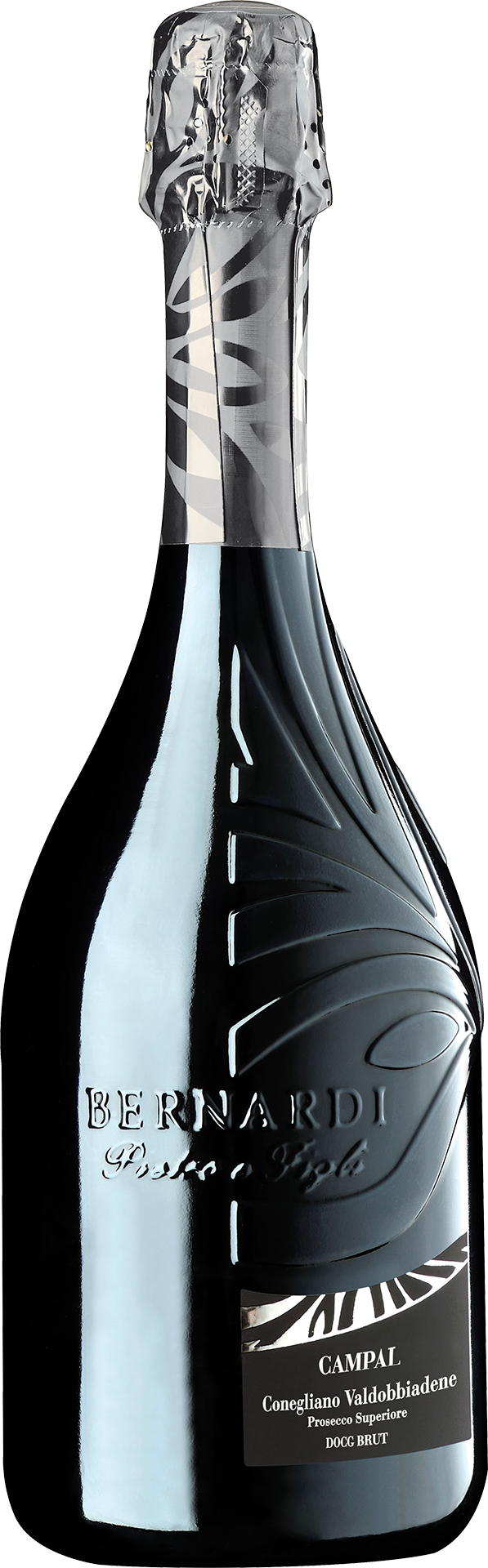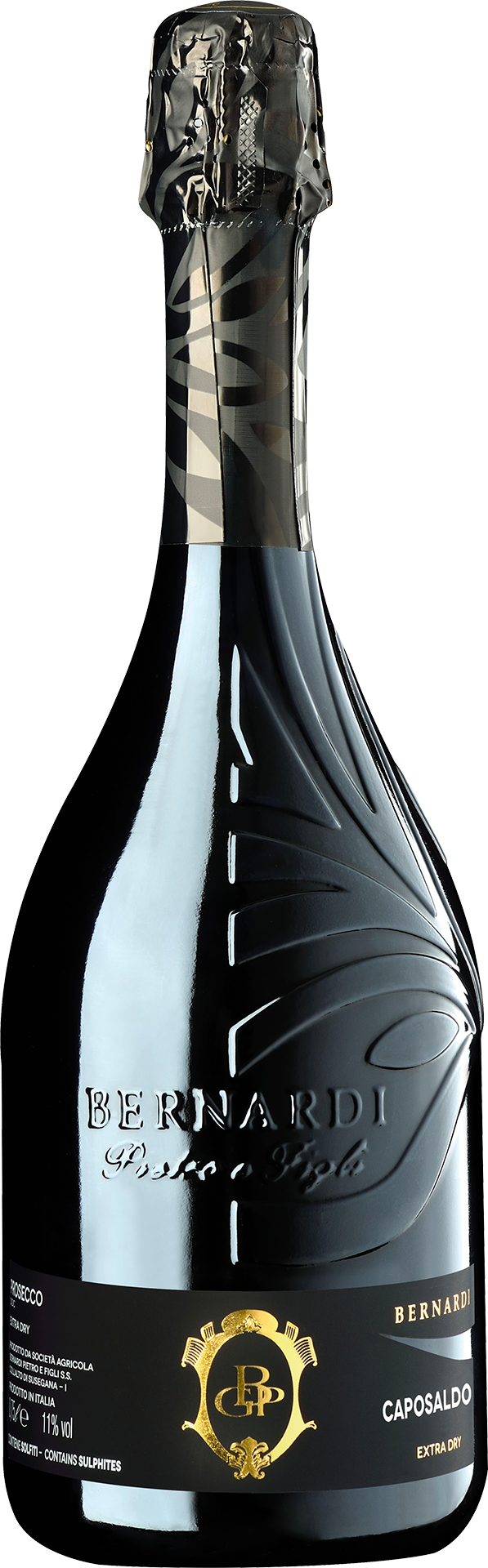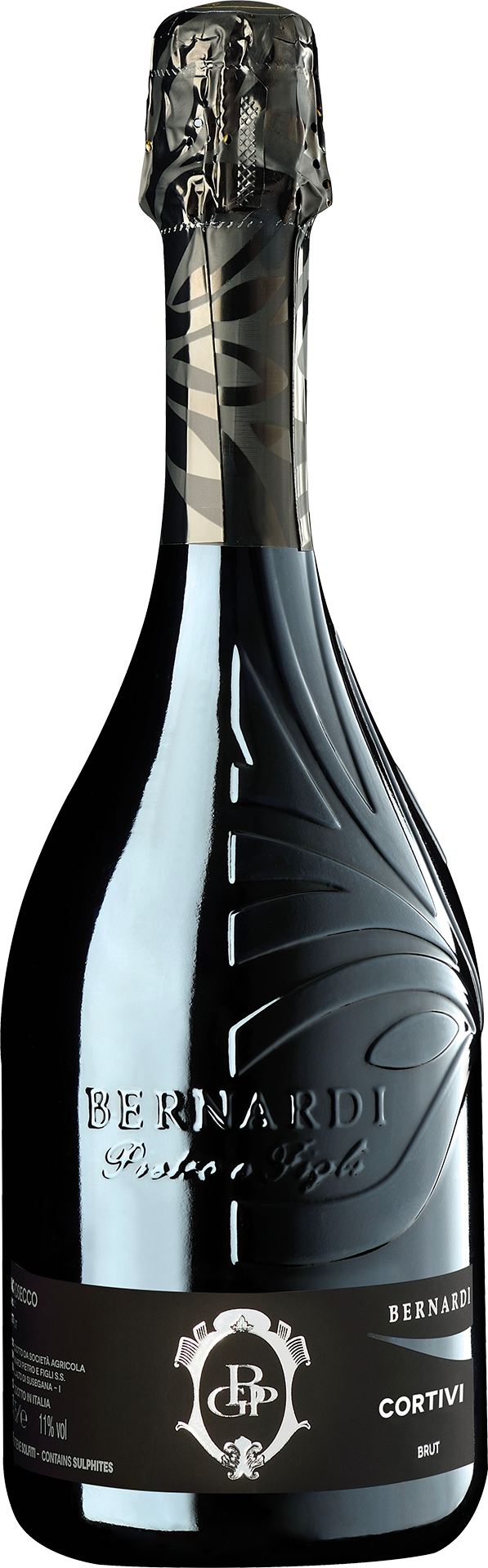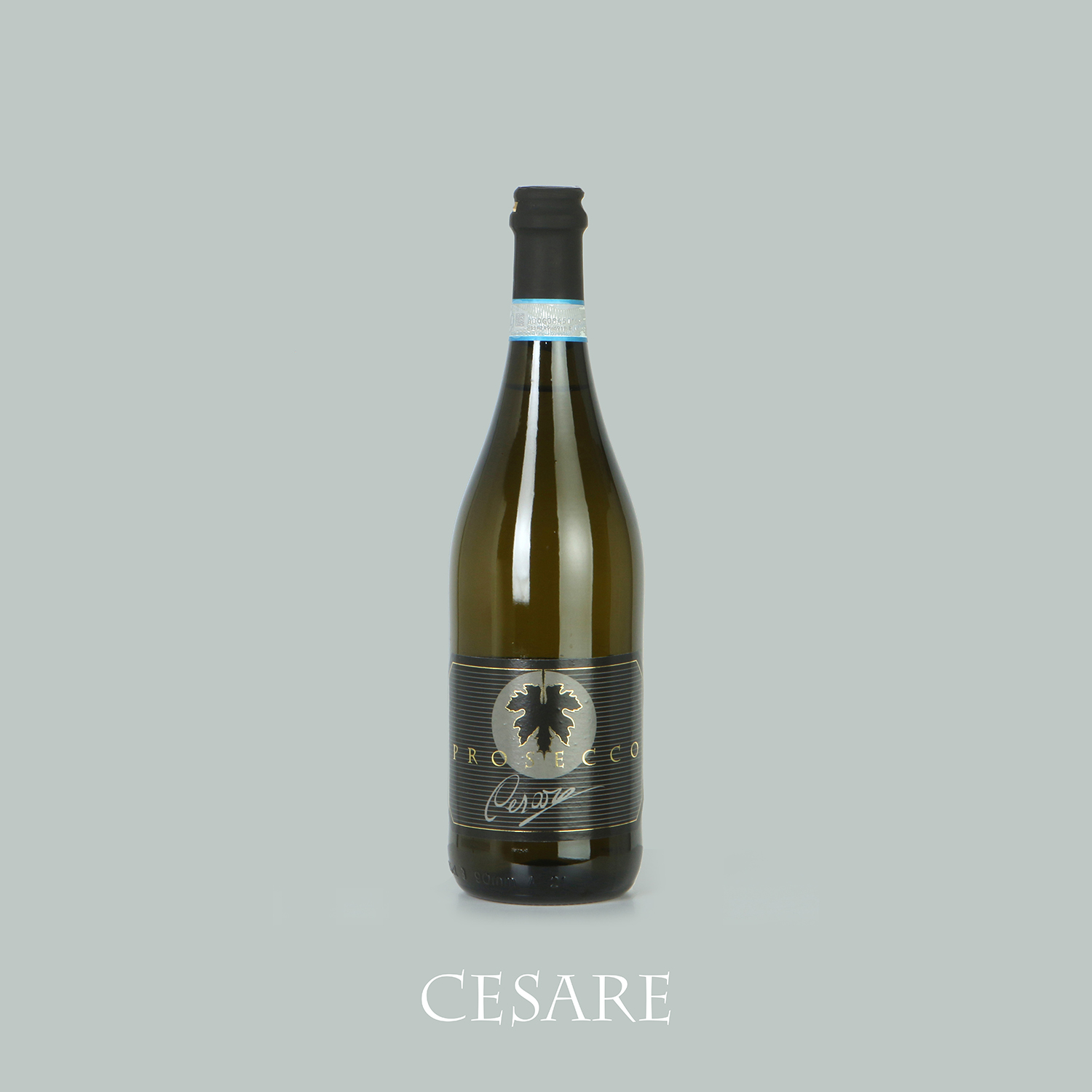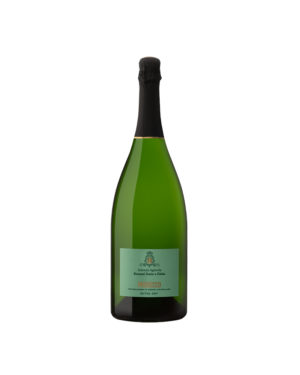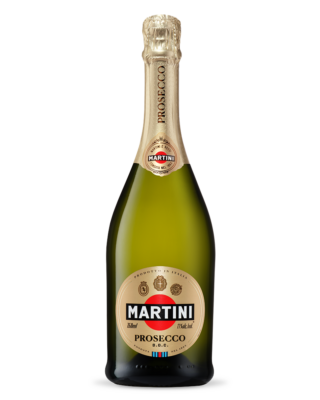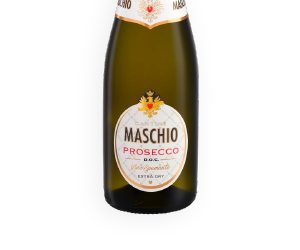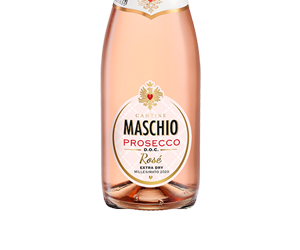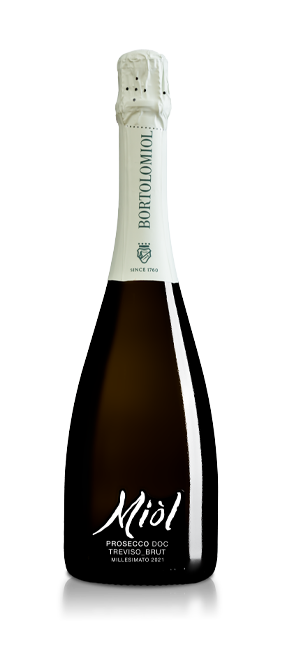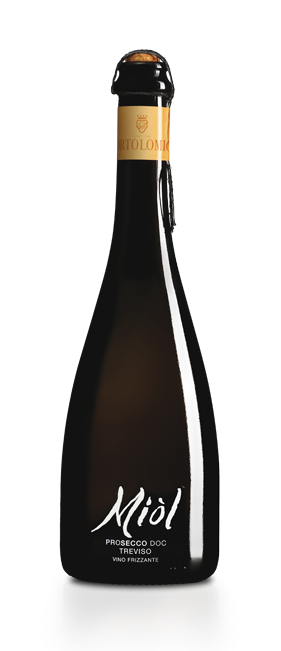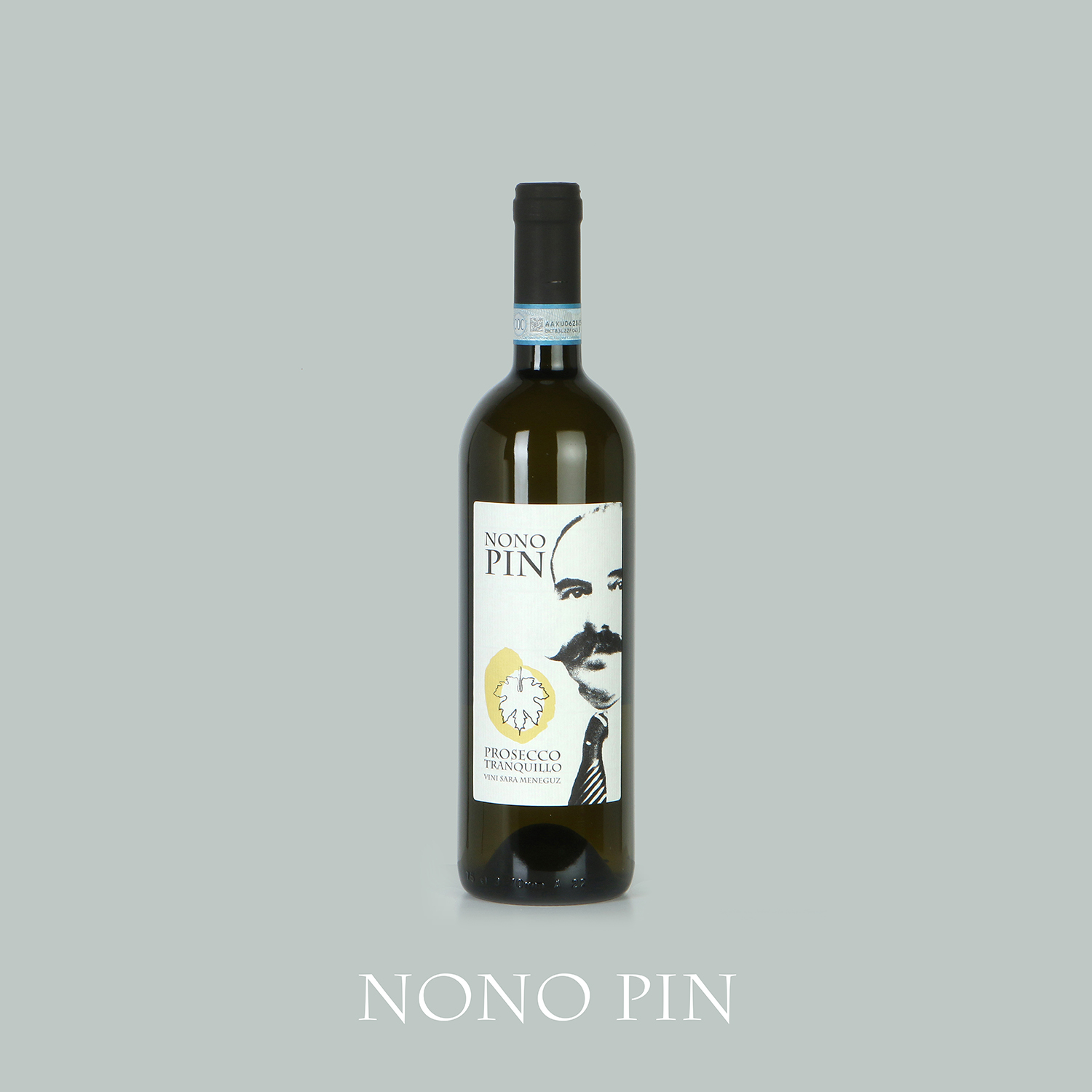


Prosecco DOC was created in 2009 as a defensive manoeuvre. Prosecco was the name of a grape variety, and anyone anywhere could therefore plant it and call the result Prosecco. The solution was drastic: the variety was officially renamed Glera, and the word Prosecco was reserved for a geographical appellation covering nine provinces across Veneto and Friuli-Venezia Giulia. Since then Prosecco has been a place, not a plant.
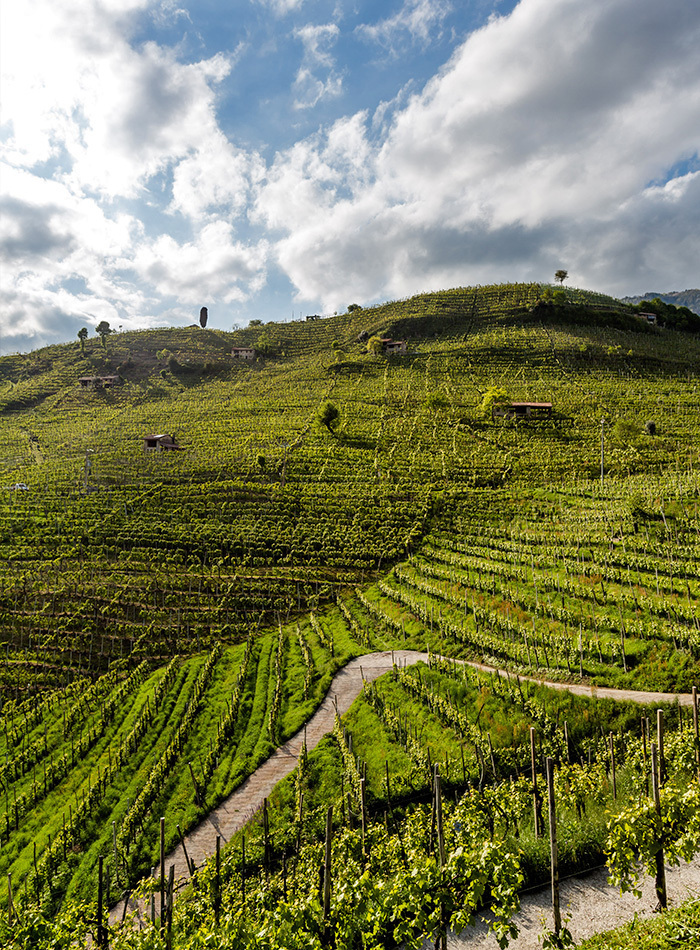
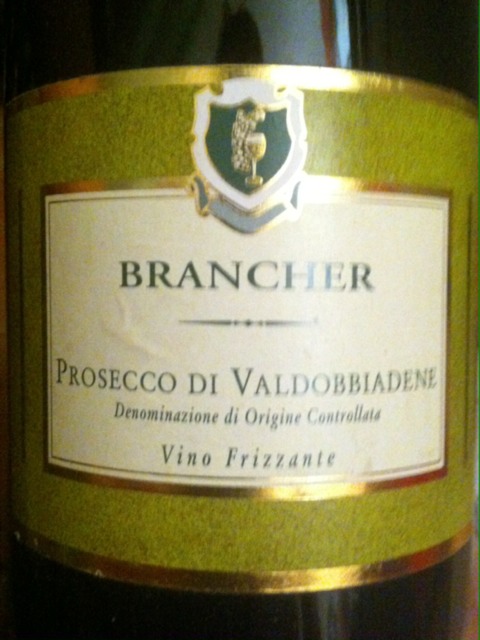
The zone takes in Treviso, Venice, Vicenza, Padua and Belluno in Veneto, and Gorizia, Pordenone, Trieste and Udine in Friuli. Most of it is flat, which is what separates it from the hills of Conegliano Valdobbiadene DOCG and Asolo DOCG. The words Treviso or Trieste on a label indicate a tighter origin within the DOC. The grape is Glera, minimum 85 per cent, and the second fermentation takes place in pressurised tank.
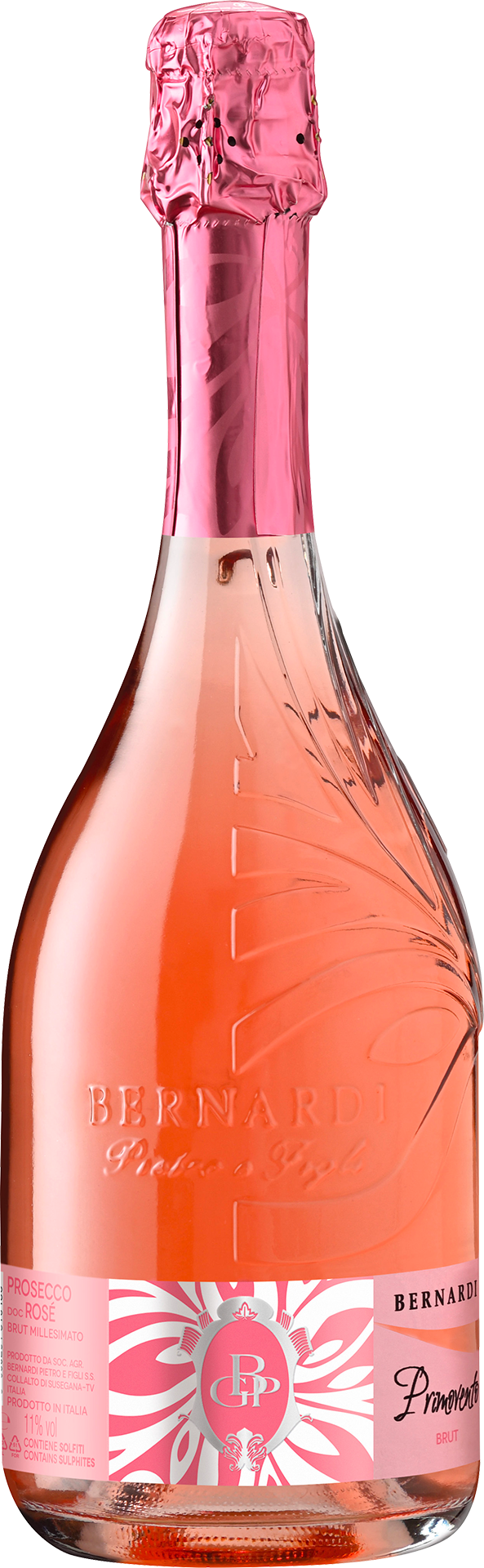
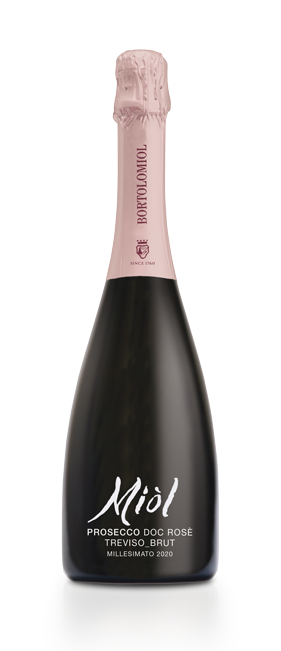
Since 2020 there is also Prosecco DOC Rosé, which adds 10 to 15 per cent of Pinot Nero, vinified as a red, to the Glera. It must be vintage-dated and spend at least sixty days on the lees — stricter rules than white Prosecco, imposed precisely so the rosé would not become the appellation's easy option.
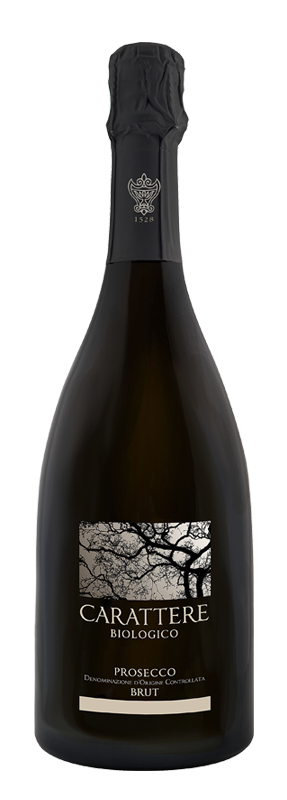
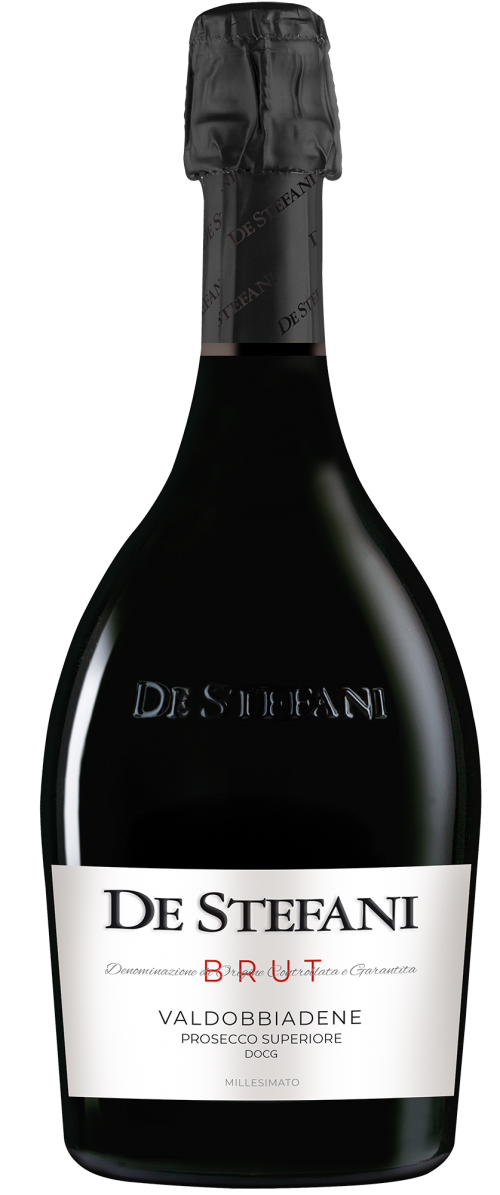
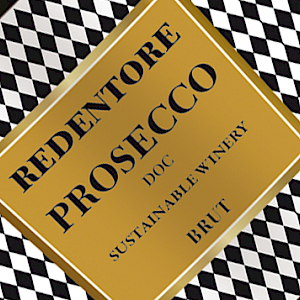
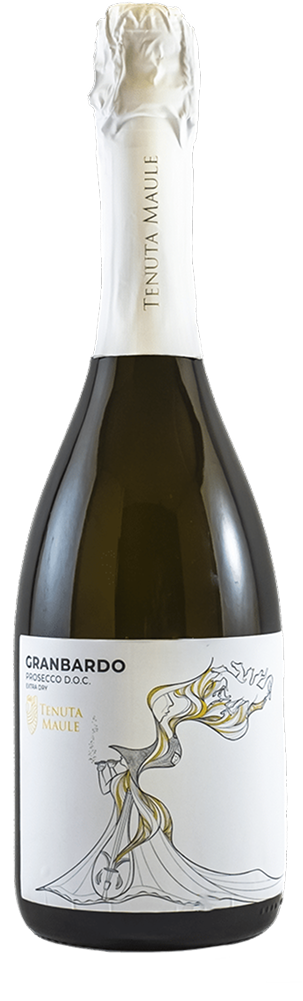
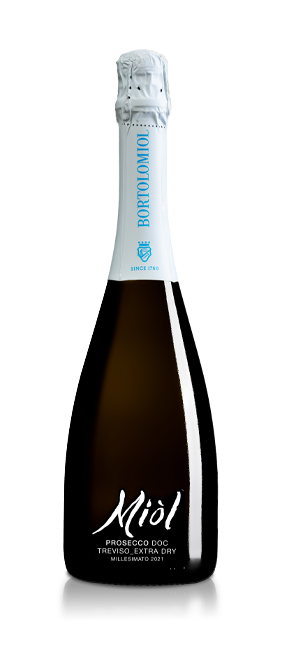
Read the dosage rather than the price. Brut, Extra Dry and Dry denote increasing sugar, and Extra Dry — the most common of the three — is sweeter than Brut. That is a choice of style, not a measure of quality.