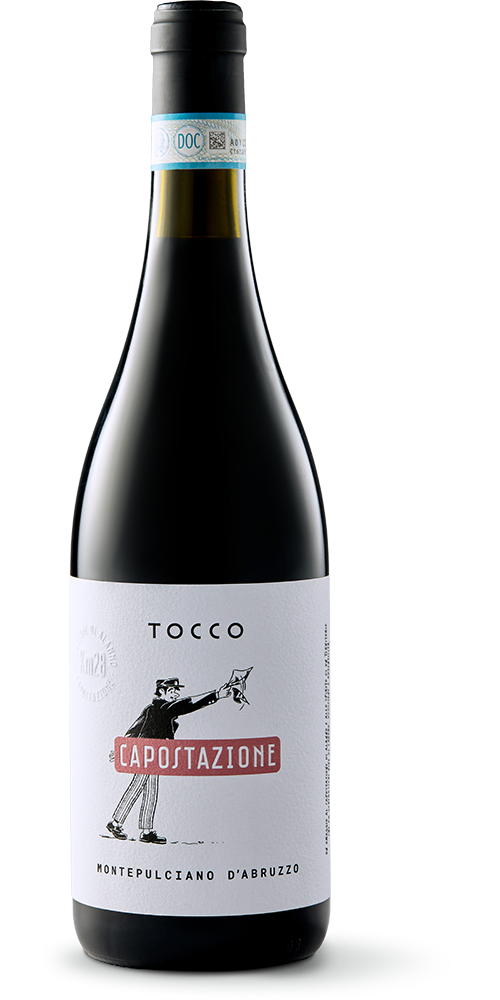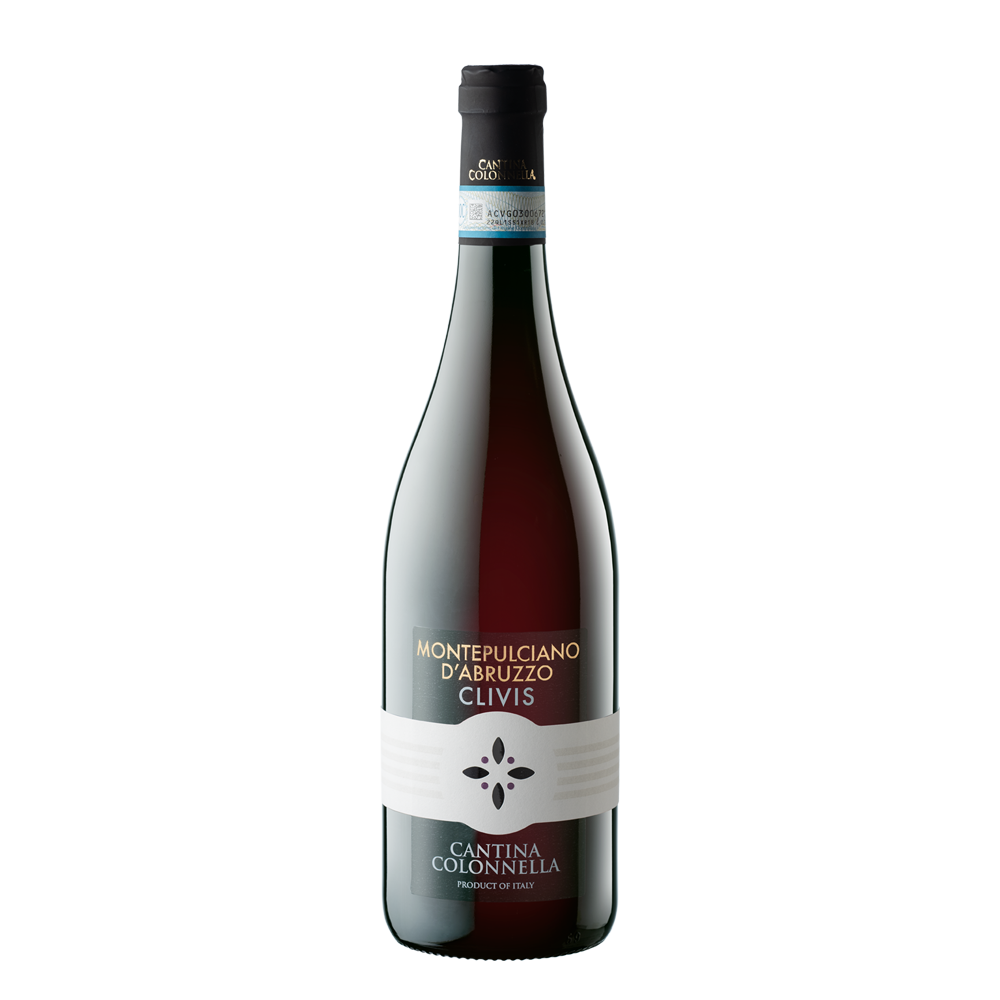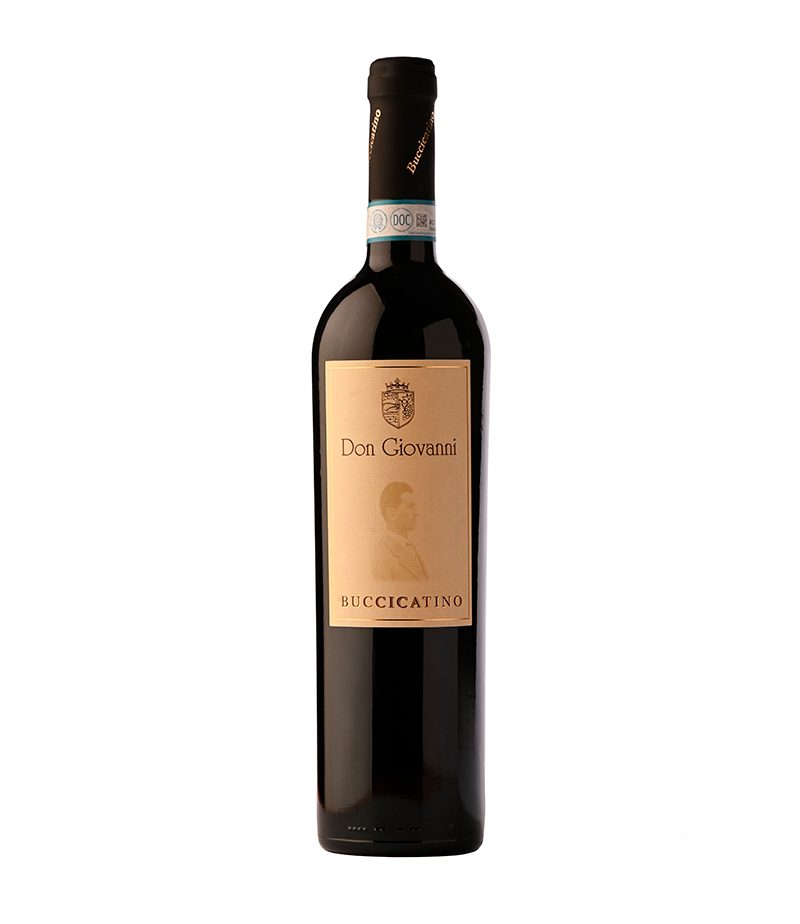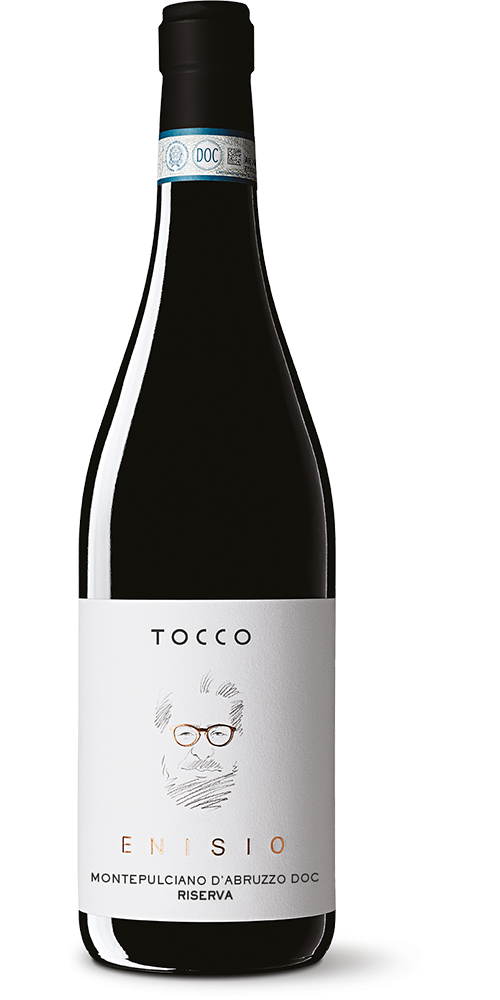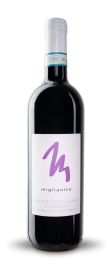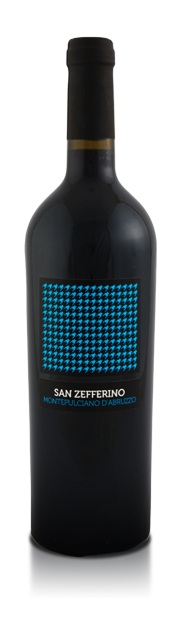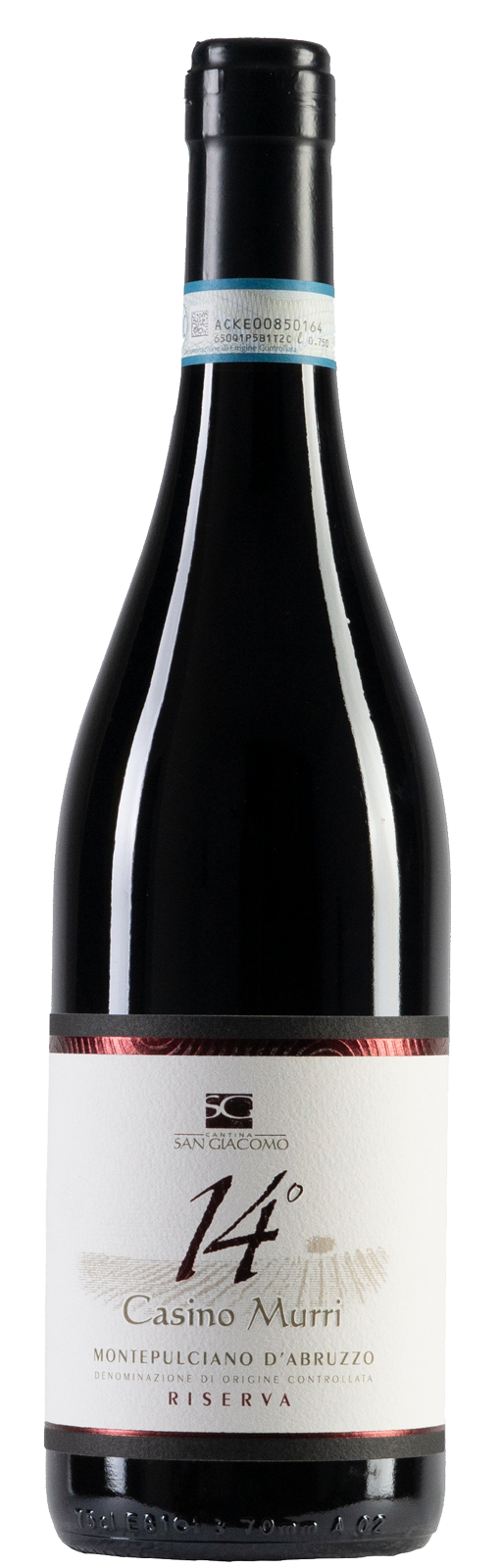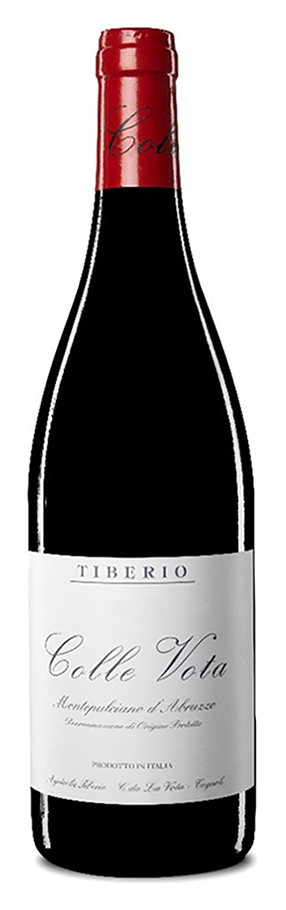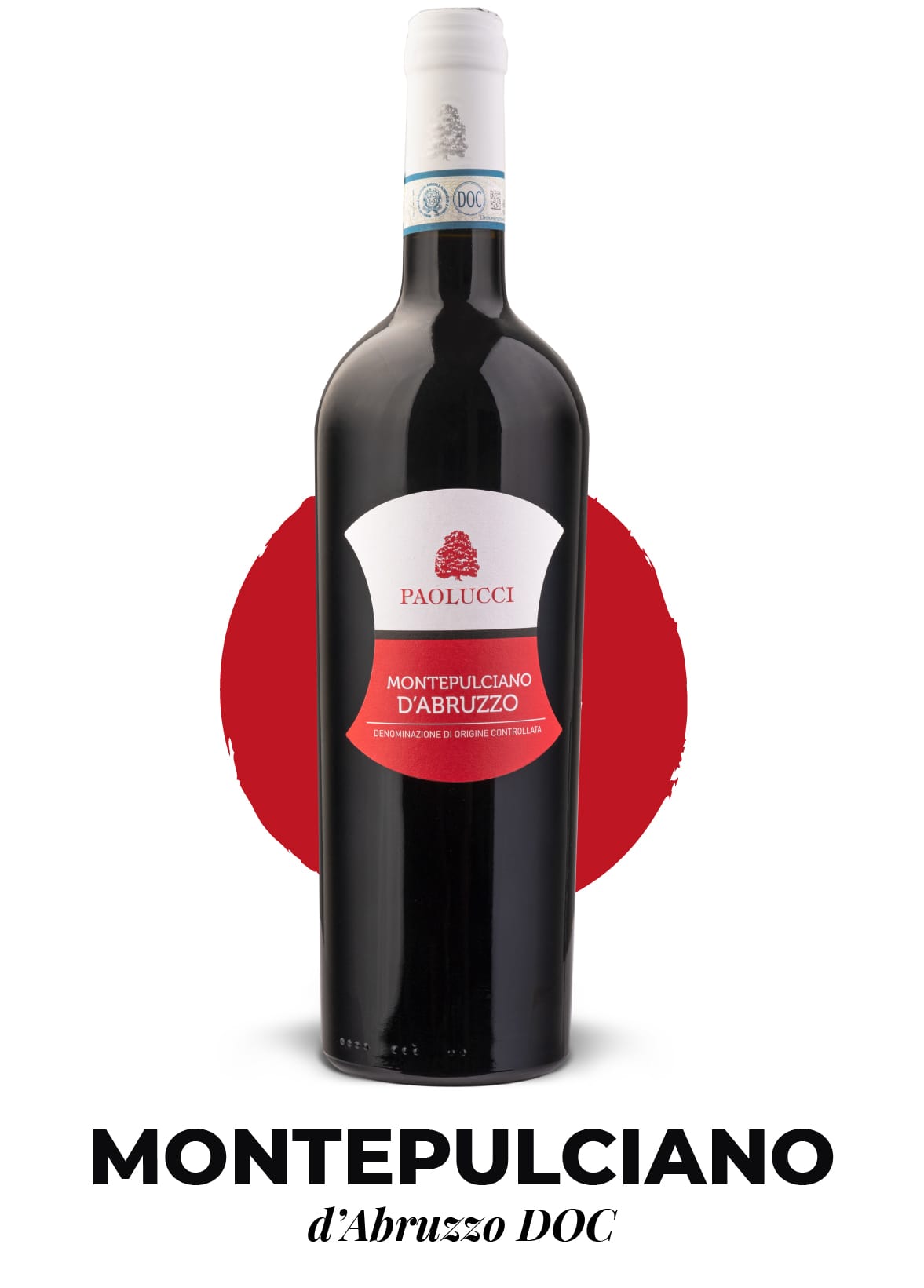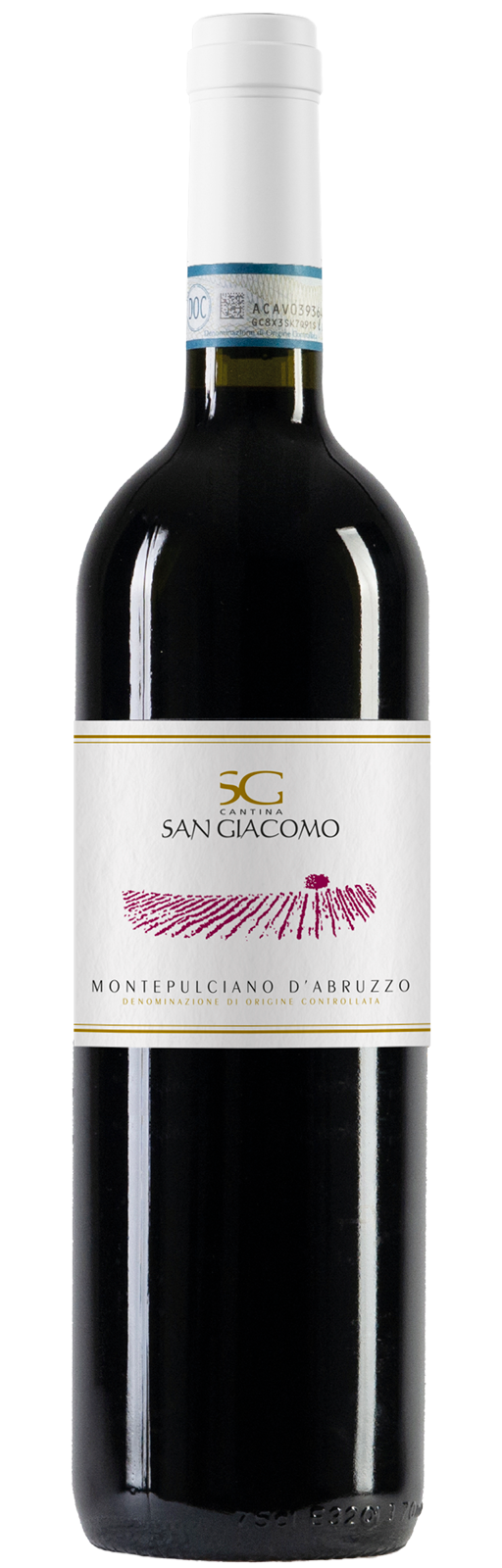


Montepulciano is a grape variety, among the most planted in Italy, and the appellation that carries its name has been a DOC since 1968. The Tuscan town of Montepulciano makes Vino Nobile, which is Sangiovese: one name, two entirely different wines. The confusion costs Abruzzo dearly, because it invites people to read as Tuscan a wine that is Adriatic in every respect.
The zone is large and covers all four provinces, from hills near the coast up to altitudes where ripening becomes uncertain. The rules require at least 85 per cent Montepulciano, with Sangiovese allowed for the remainder; the Riserva is released after at least two years, part of that in wood. In the glass: dense colour, dark ripe fruit, moderate acidity and a tannin that at its best is dusty and sweet rather than aggressive.
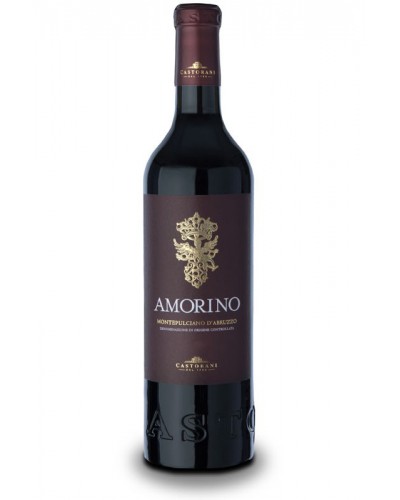
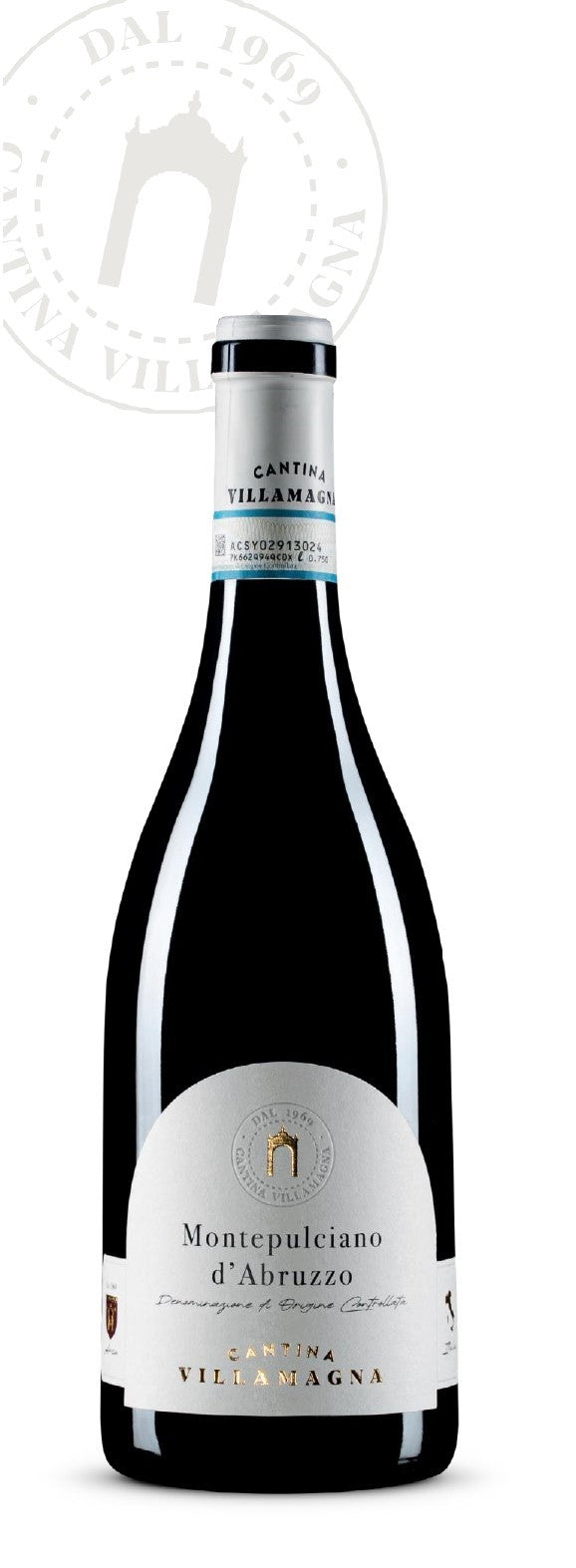
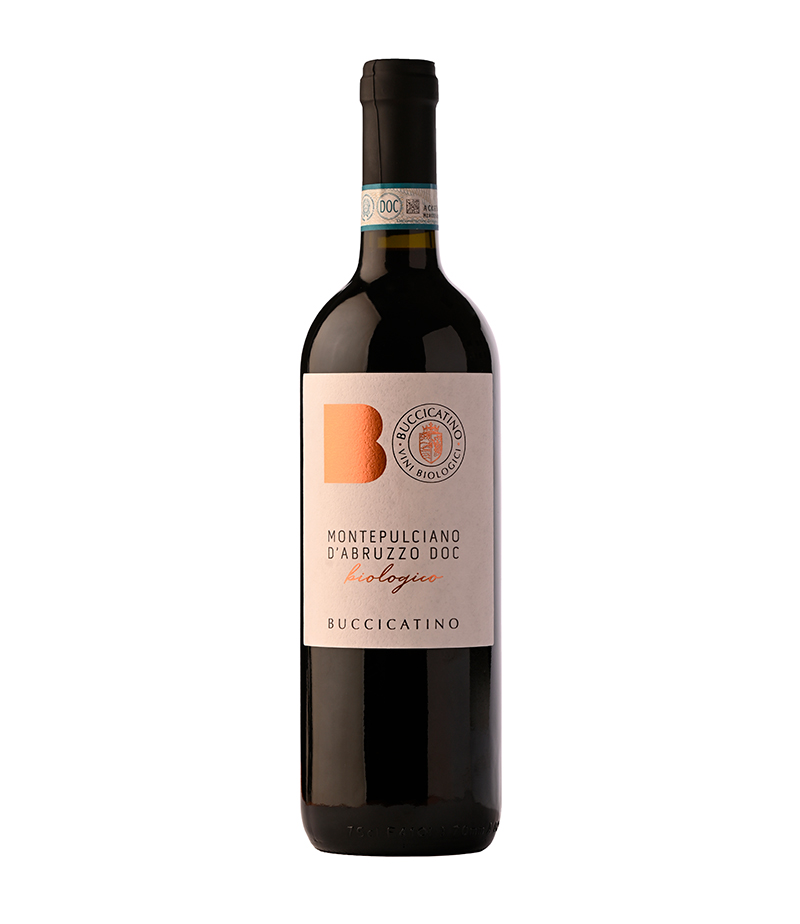
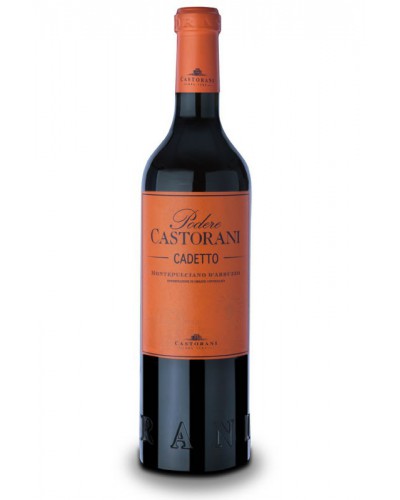
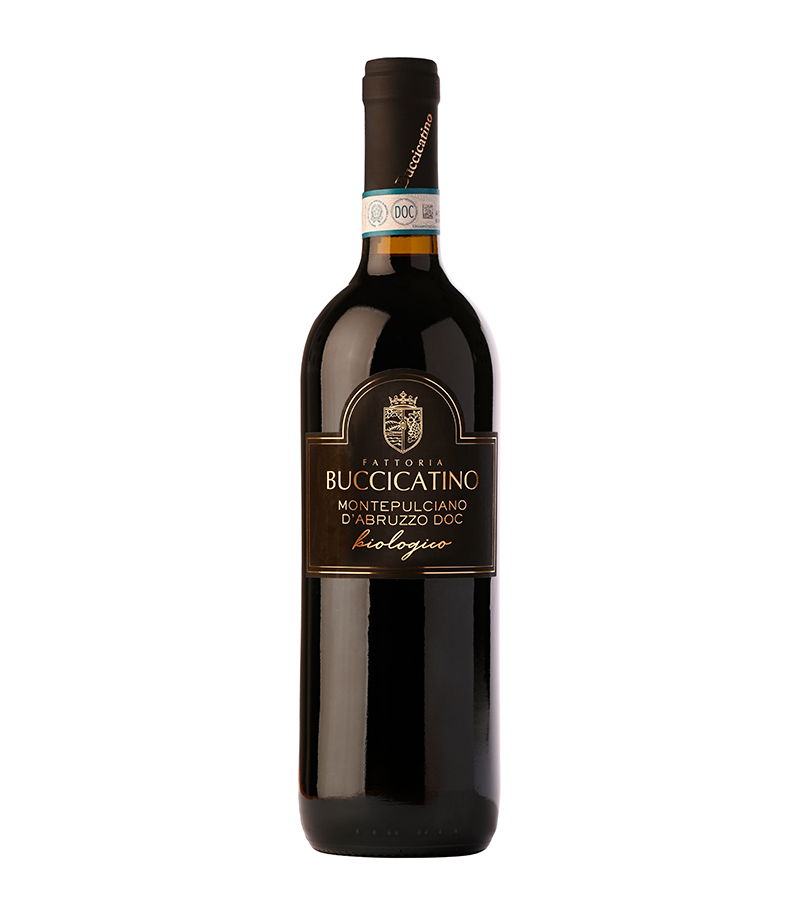
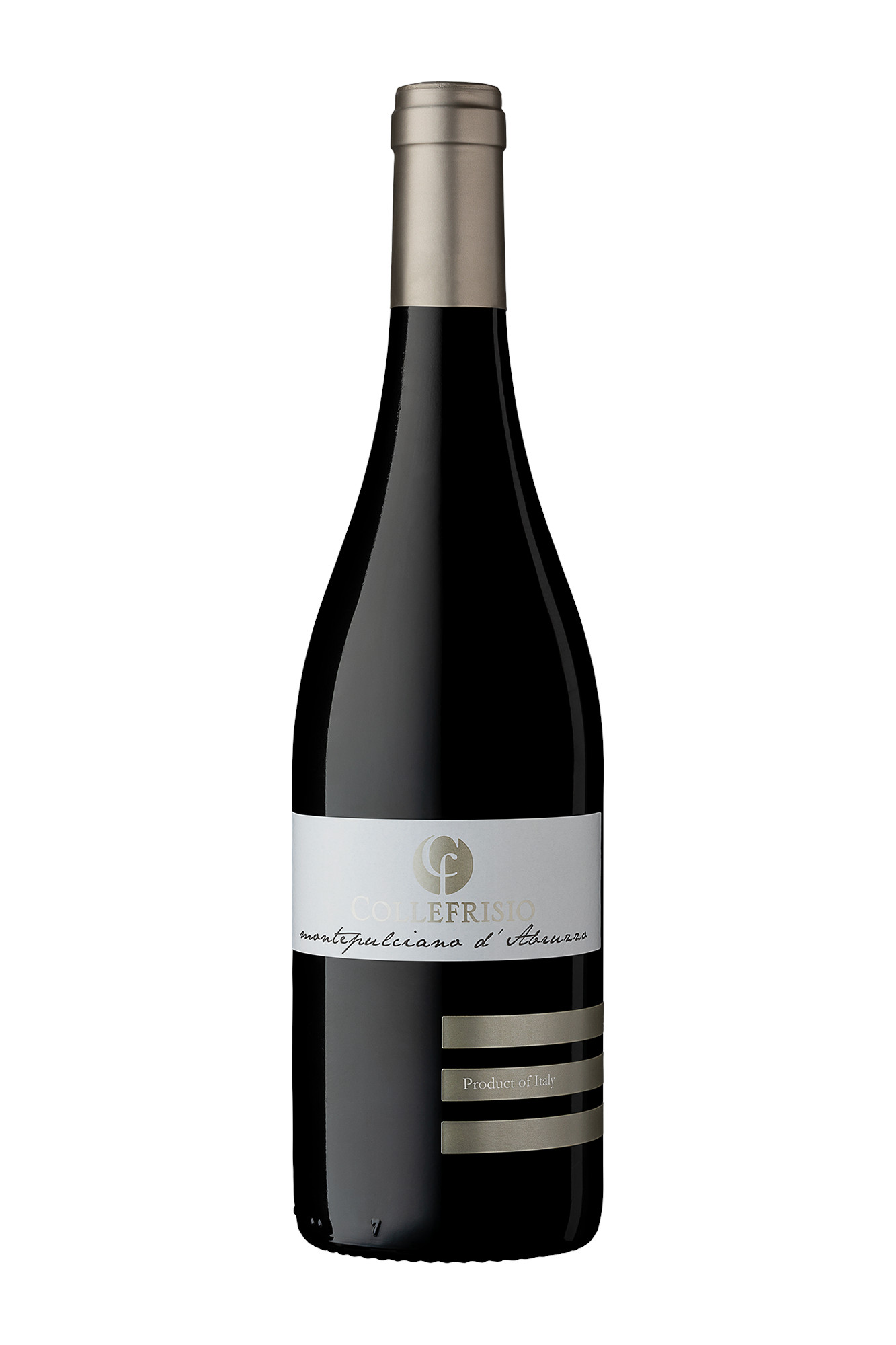
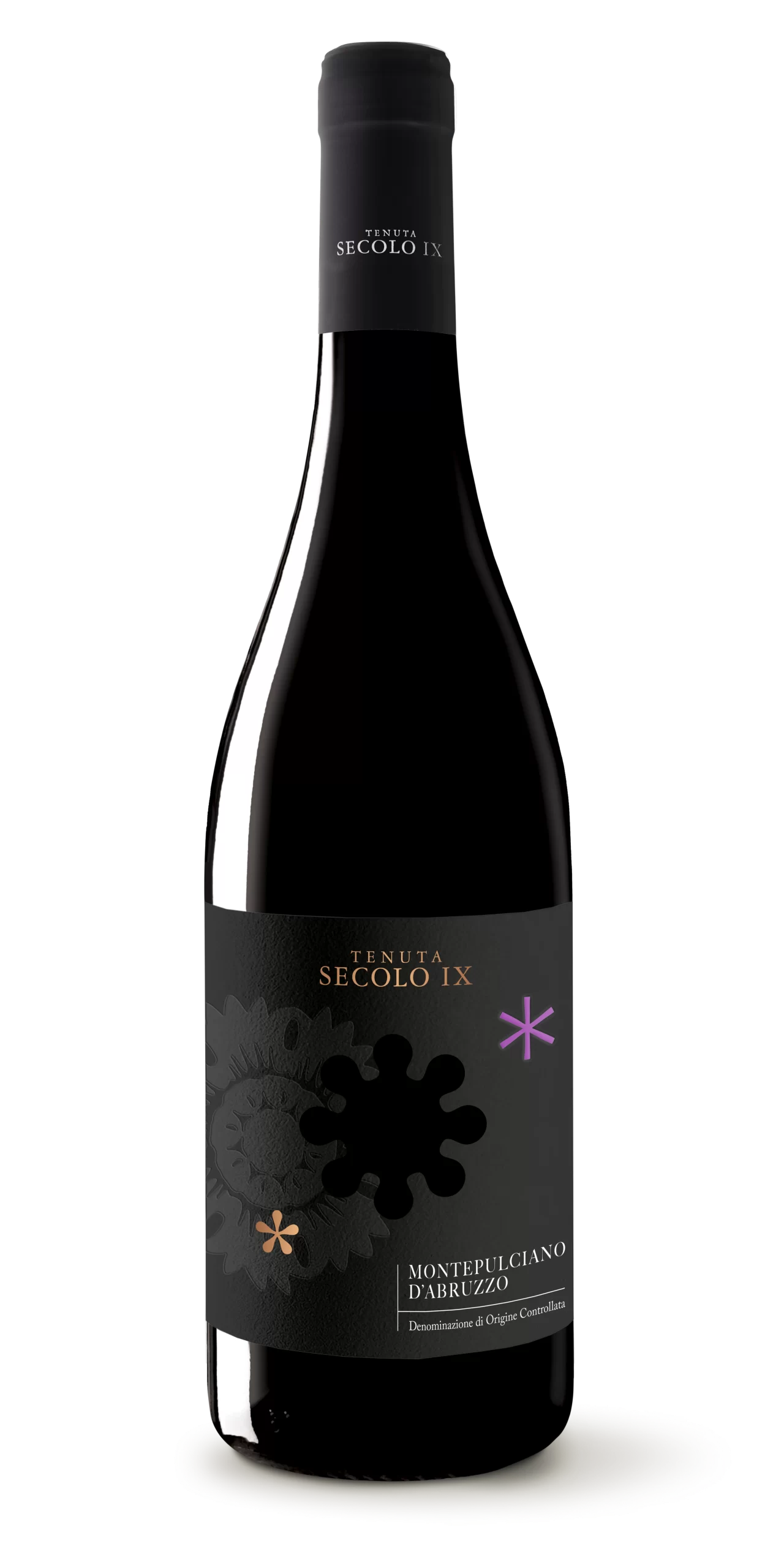
No Italian appellation covers a wider price range. The same words on the label take in three-euro litre bottles and internationally benchmarked wines, and the label alone will not tell them apart. Three signals help: the producer, a subzone mention — Casauria and Terre dei Vestini both appear on bottles we track — and the Riserva, which at least imposes time.
For a stricter version of the same idea, go north to the province of Teramo, where Montepulciano has a DOCG of its own with tighter rules. We keep the Colline Teramane on a separate page because it is a different appellation, not a higher grade of this one.