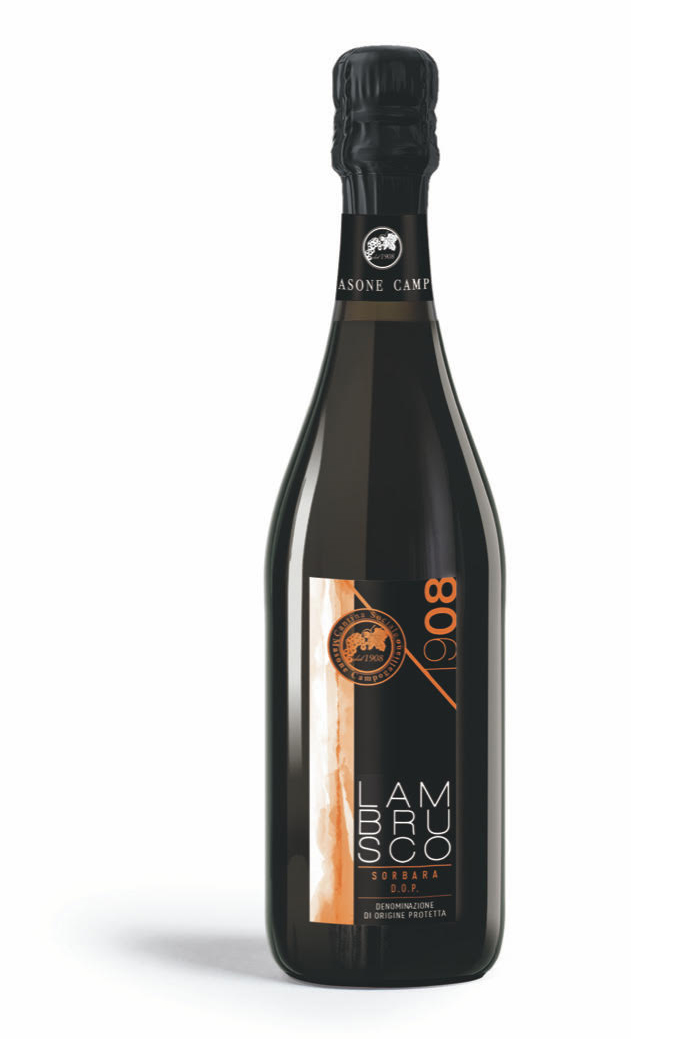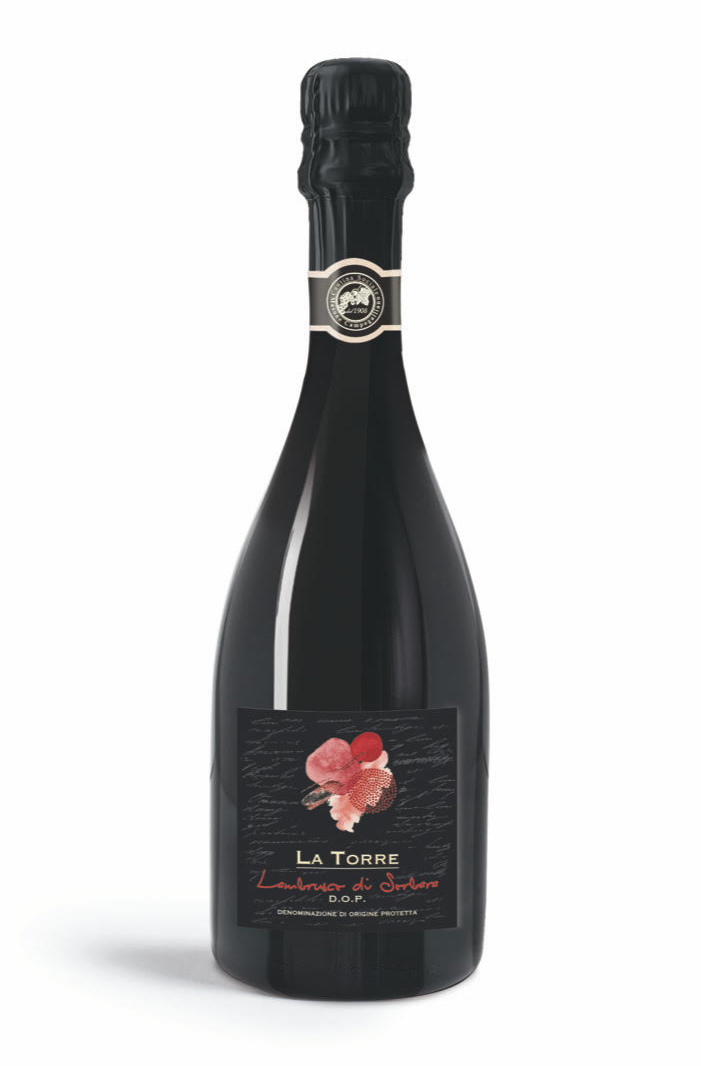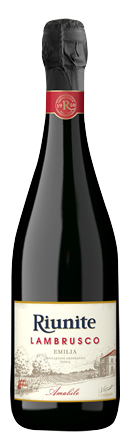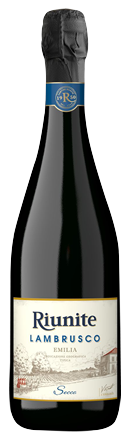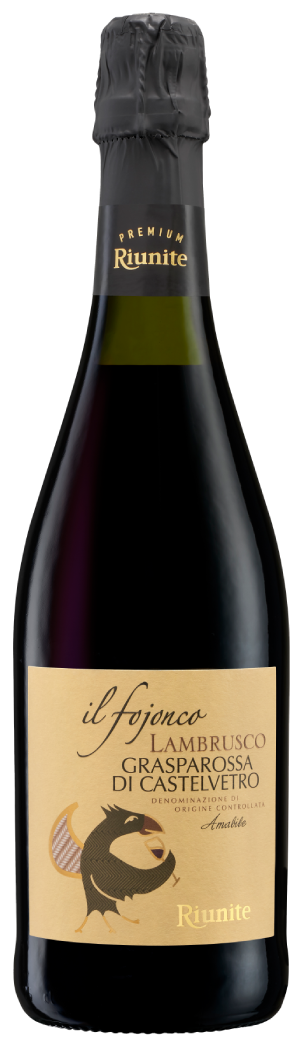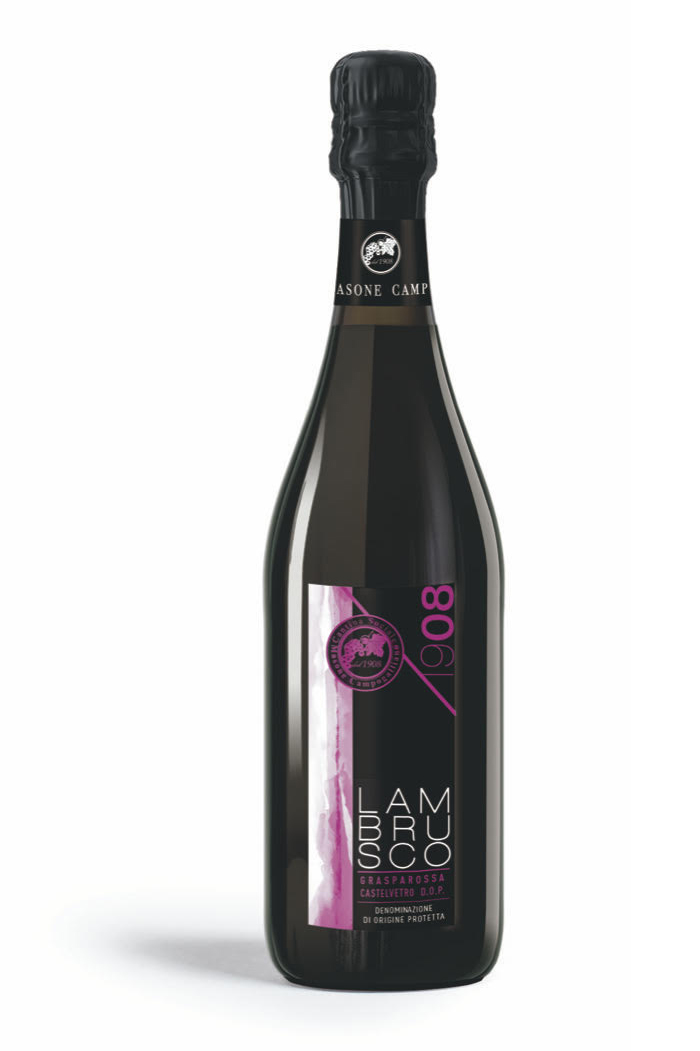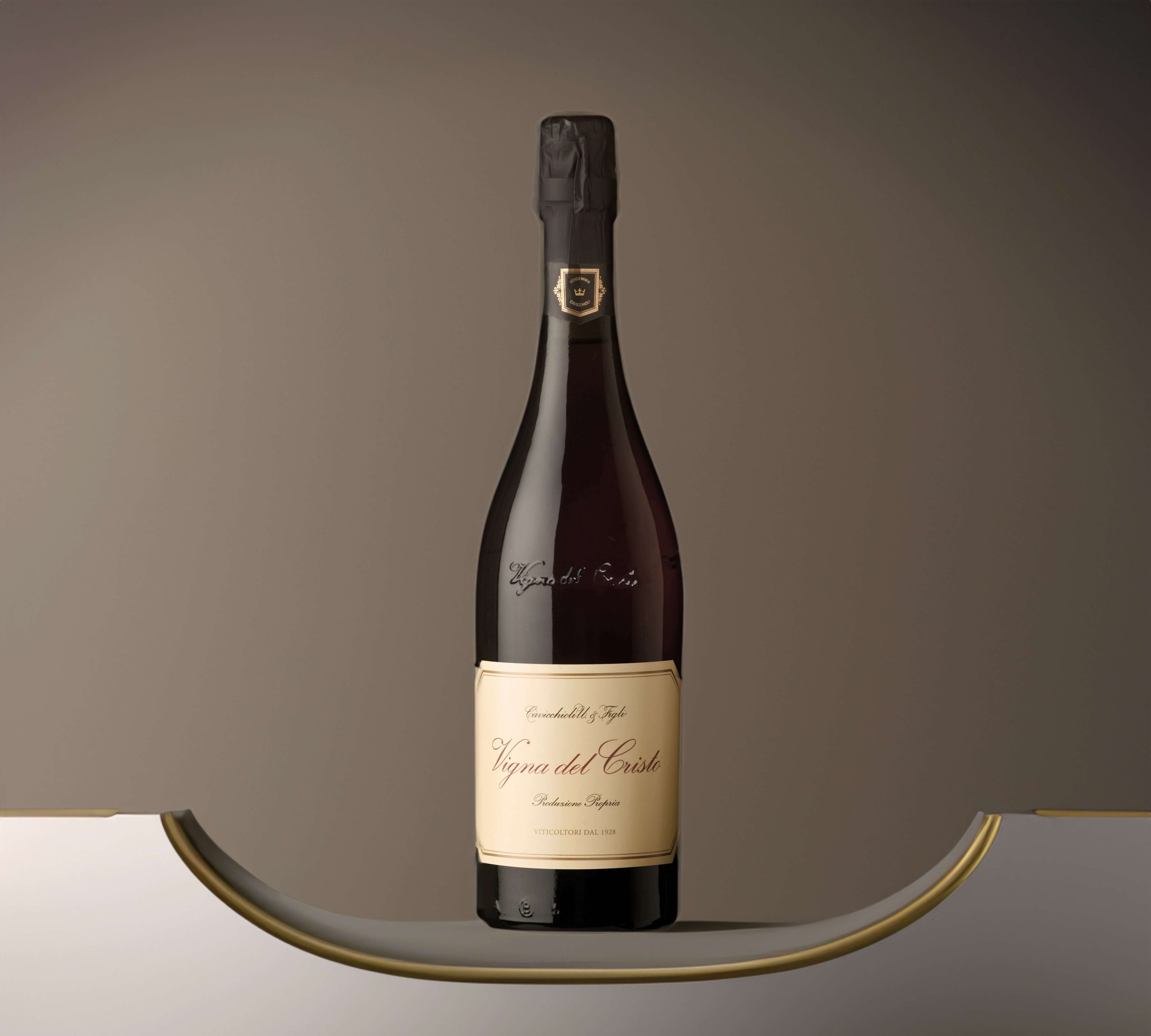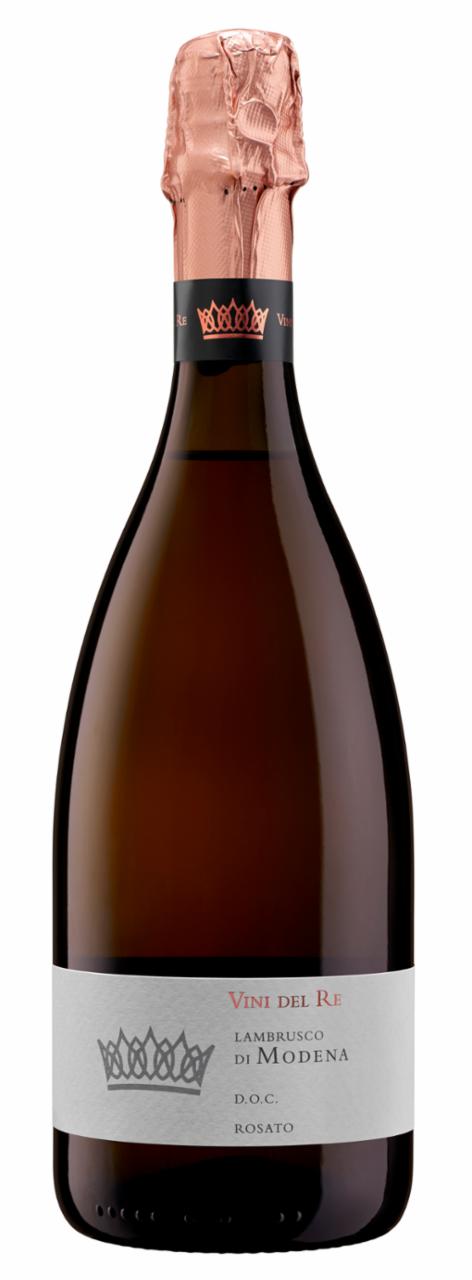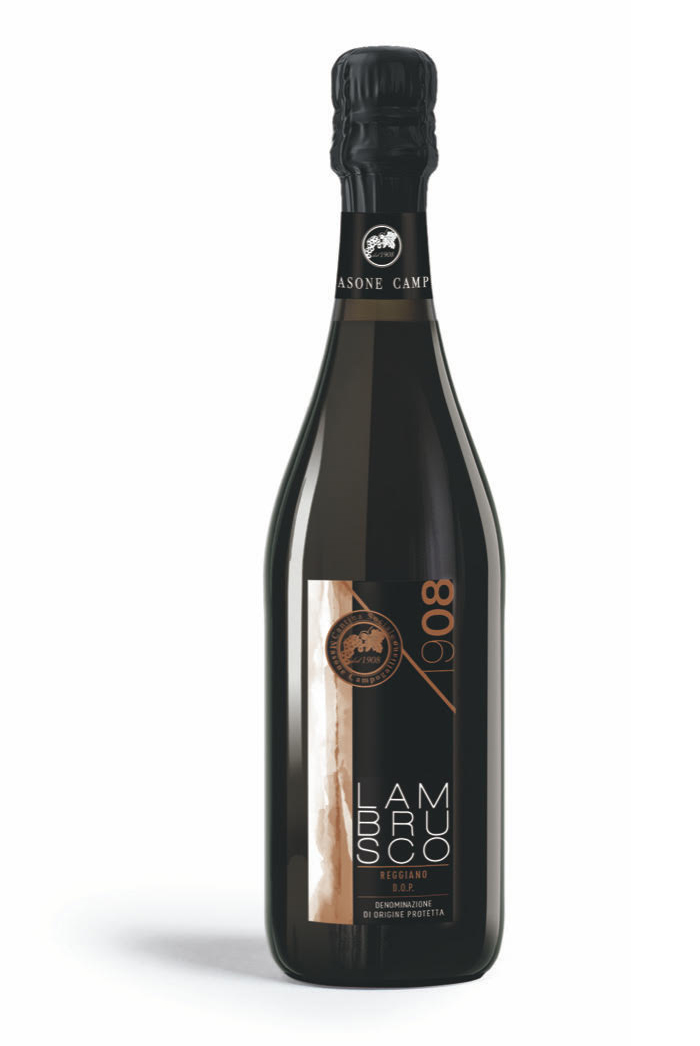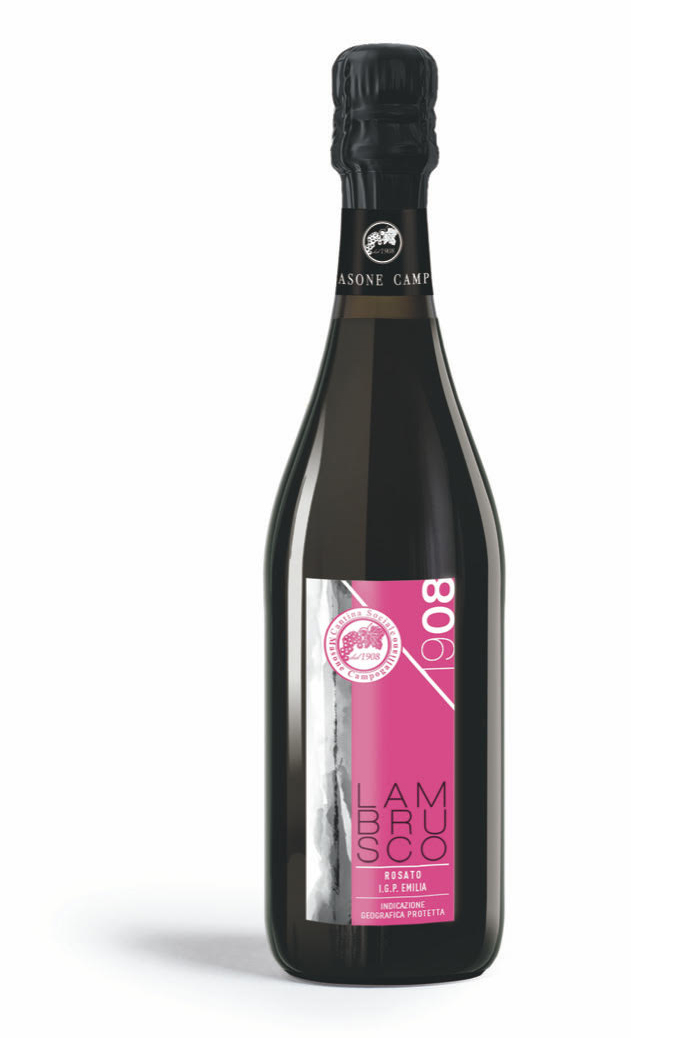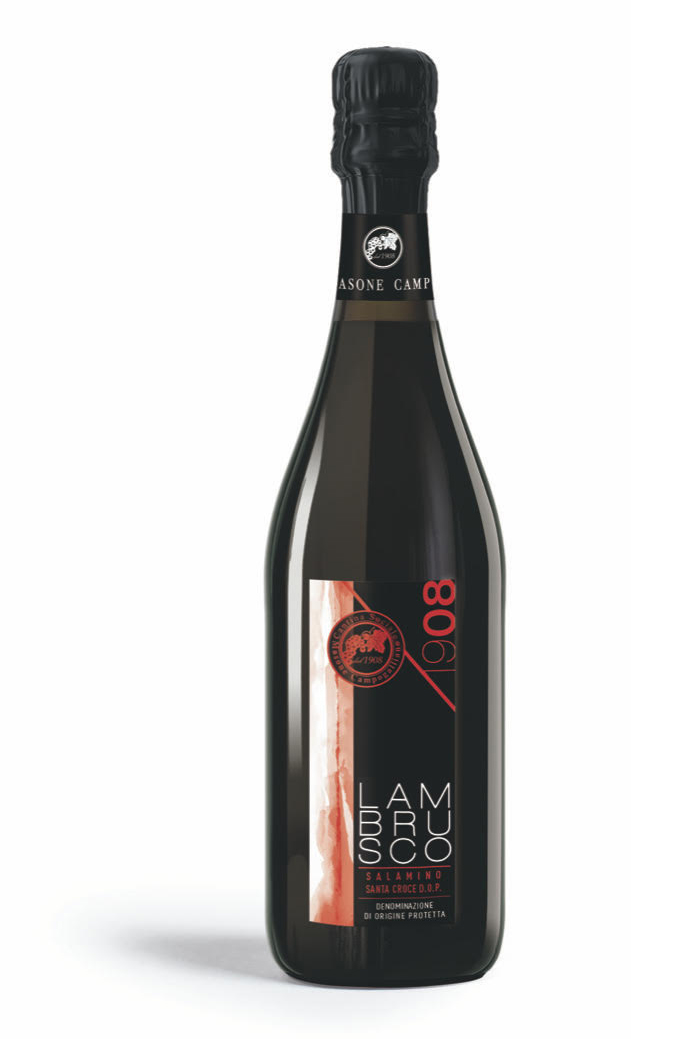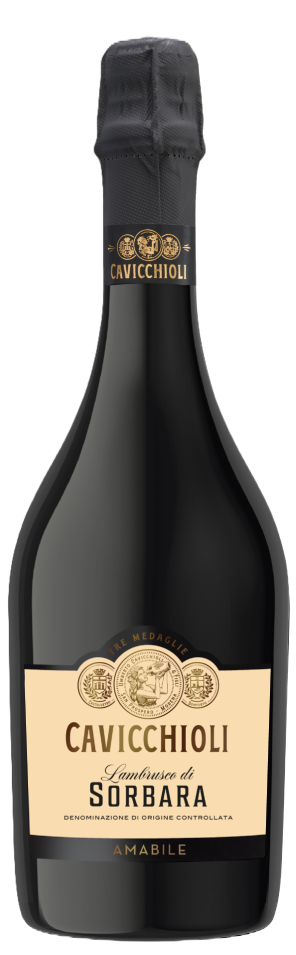


Lambrusco is a family of related dark-skinned varieties grown on the Emilian plain around Modena and Reggio. The main ones have distinct characters and are worth telling apart. Lambrusco di Sorbara is the palest and the most acidic: its poor fruit set cuts both yield and colour, making a wine that is nearly rosé, taut, and scented with strawberry and violet. Grasparossa di Castelvetro, from the hills, is dark, tannic and structured. Salamino di Santa Croce sits between the two and is the most widely planted.
Lambrusco's international reputation was built in the 1970s on sweet industrial bottlings made for export, which have little to do with what is drunk in Emilia. There it is almost always dry, served cold, and made for a cuisine of fat and salt — culatello, tortellini in brodo, parmigiano — against which the bubble and the acidity have a precise job to do.
Most is produced in tank by the Martinotti method, which preserves the fruit. There is also a tradition of refermentation in bottle, often without disgorging, giving cloudy and wilder wines: the so-called ancestral Lambrusco, now much sought after.