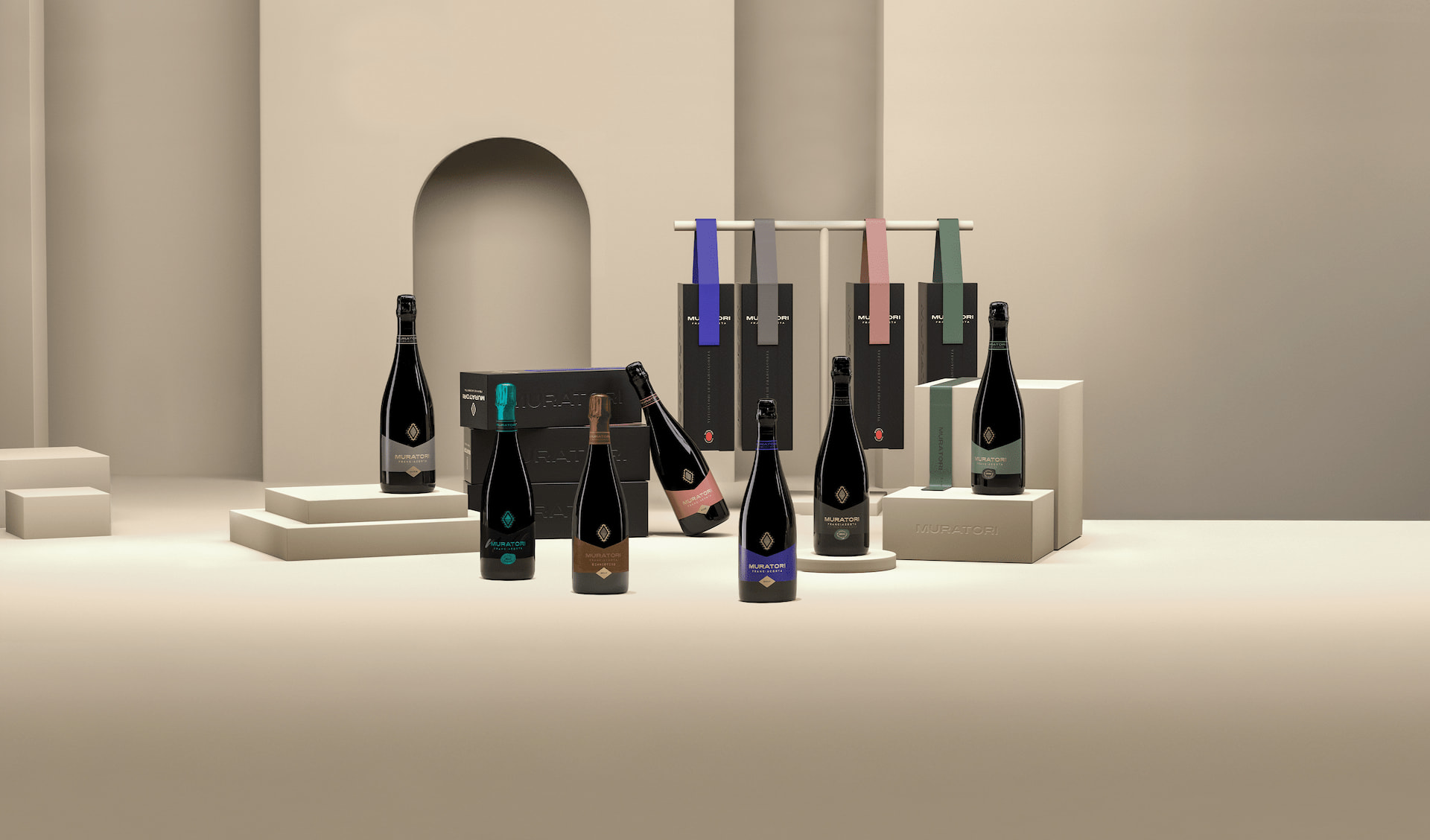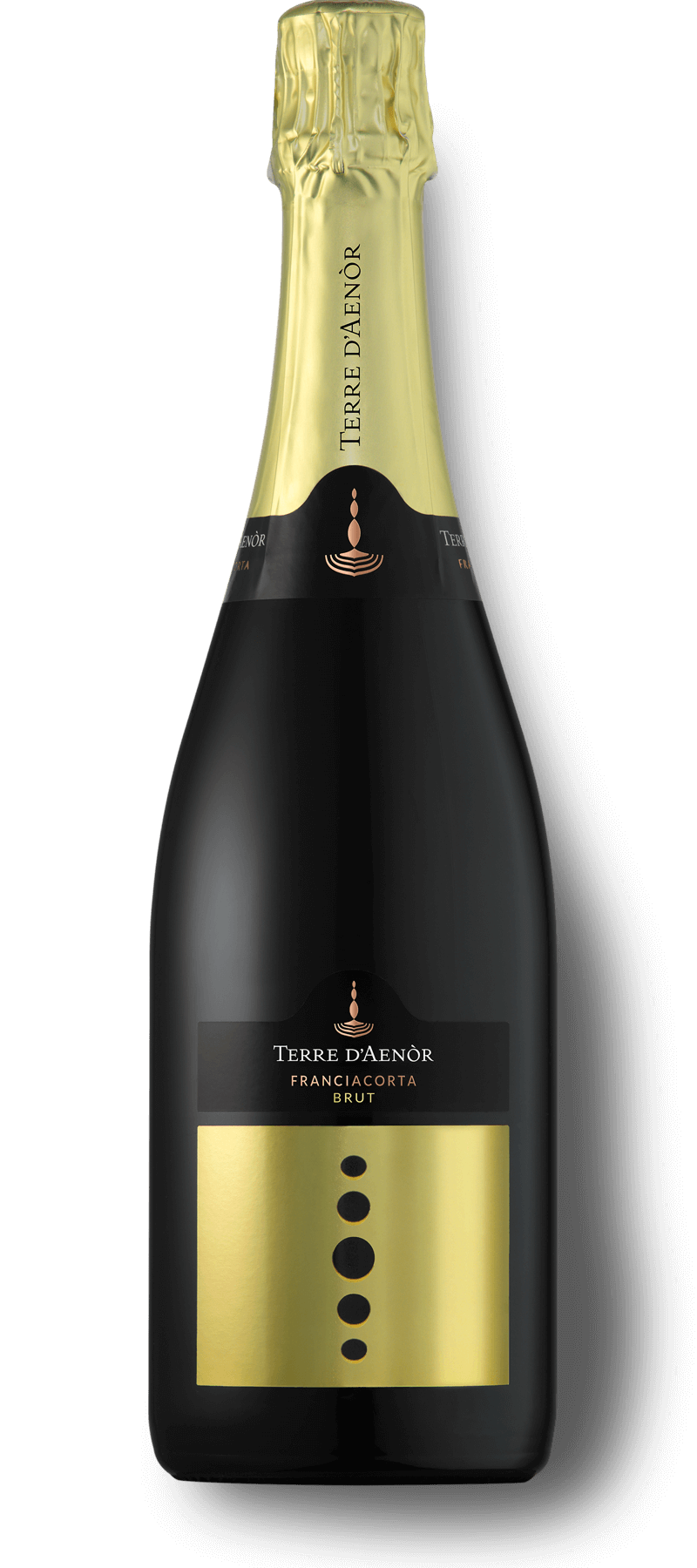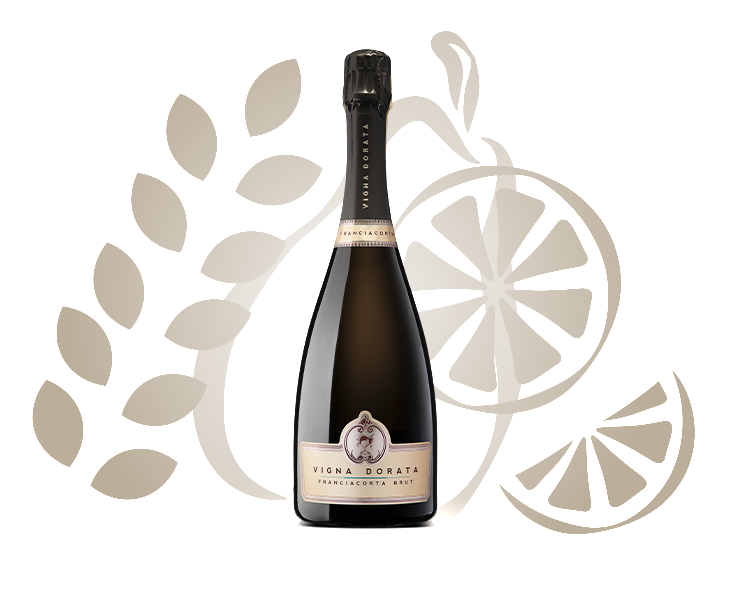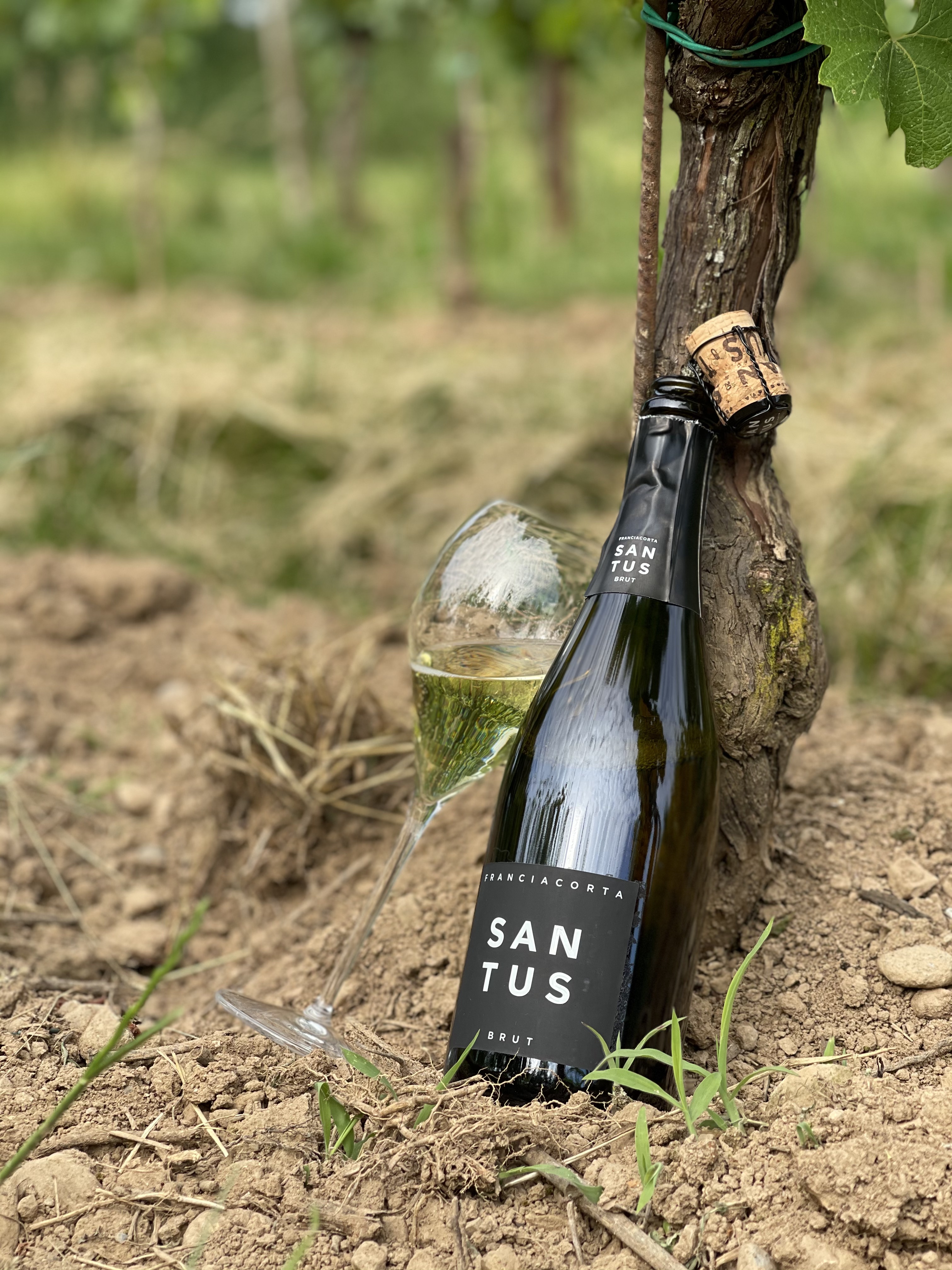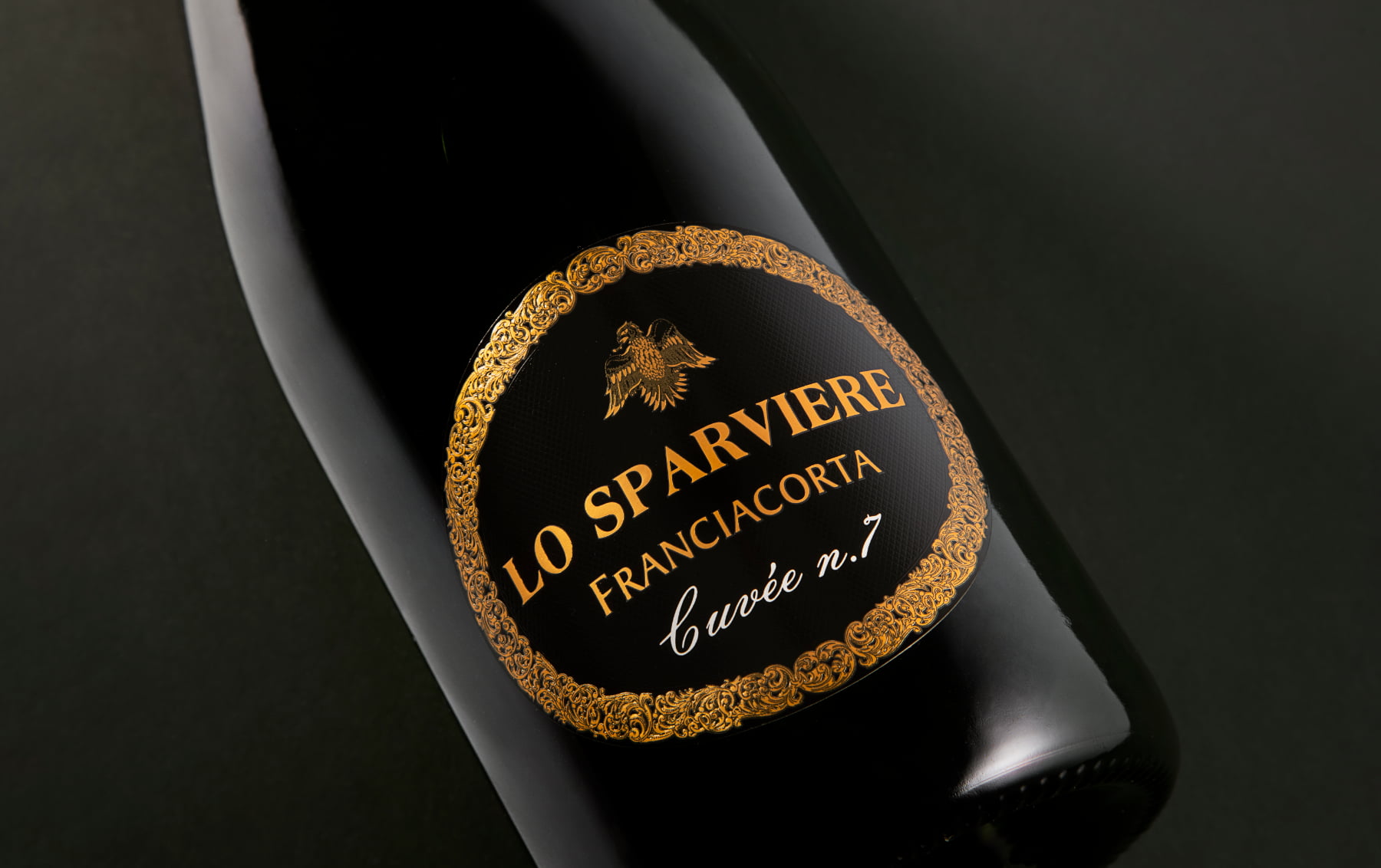


Franciacorta comes from the hills south of Lake Iseo in the province of Brescia, Lombardia. It is made by the traditional method, with the second fermentation in the bottle, and in 1995 it became the first Italian metodo classico sparkling wine to be granted DOCG. The name on the label carries no word for sparkling or for method — in Italy, Franciacorta alone is understood to mean both.
The permitted grapes are Chardonnay, Pinot Nero and Pinot Bianco, the last capped at 50 per cent, with Erbamat — a local late-ripening variety revived to preserve acidity in warming vintages — admitted up to 10 per cent since 2017. Lees aging minimums are substantially longer than Champagne's: eighteen months for non-vintage, thirty for Millesimato and sixty for Riserva.
Satèn is the appellation's own invention and cannot legally be made anywhere else. It is a Blanc de Blancs from white grapes only, bottled at a maximum of five atmospheres instead of the usual six, and produced exclusively in the Brut range. The lower pressure gives a softer, finer bead — the name means silk — and it is the clearest argument that Franciacorta is pursuing its own idea rather than imitating France.
One term to know: Franciacorta is the DOCG for the sparkling wines. Still wines from the same hills are labelled Curtefranca DOC, which trips up a lot of people reading a producer's full range.