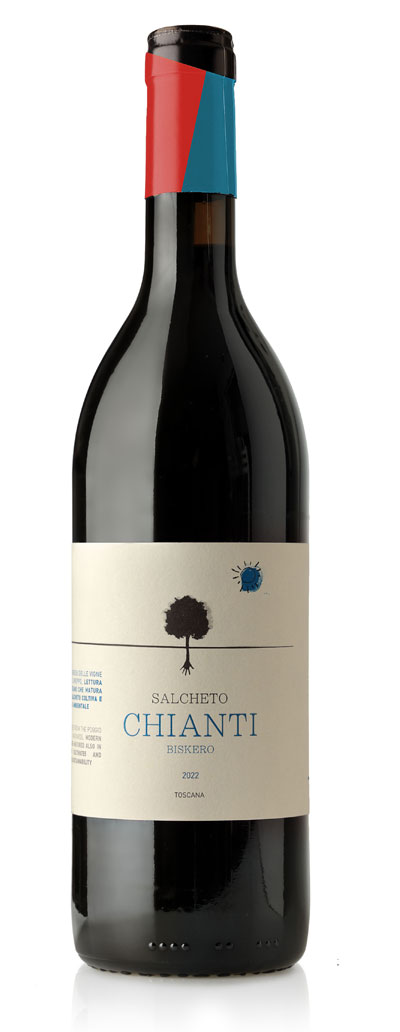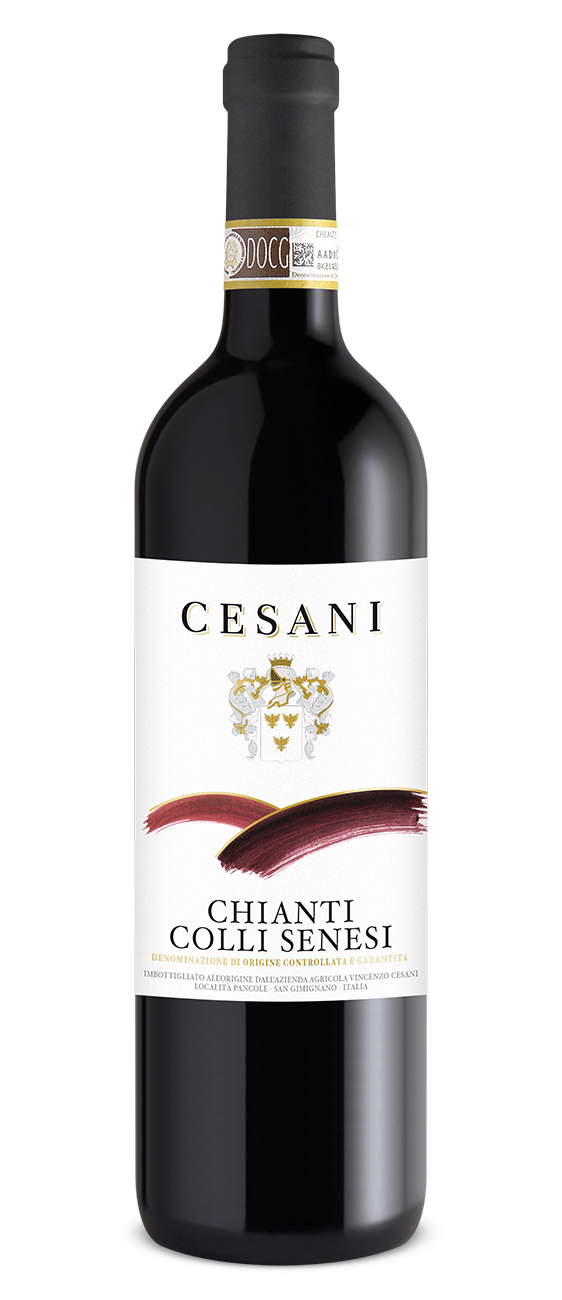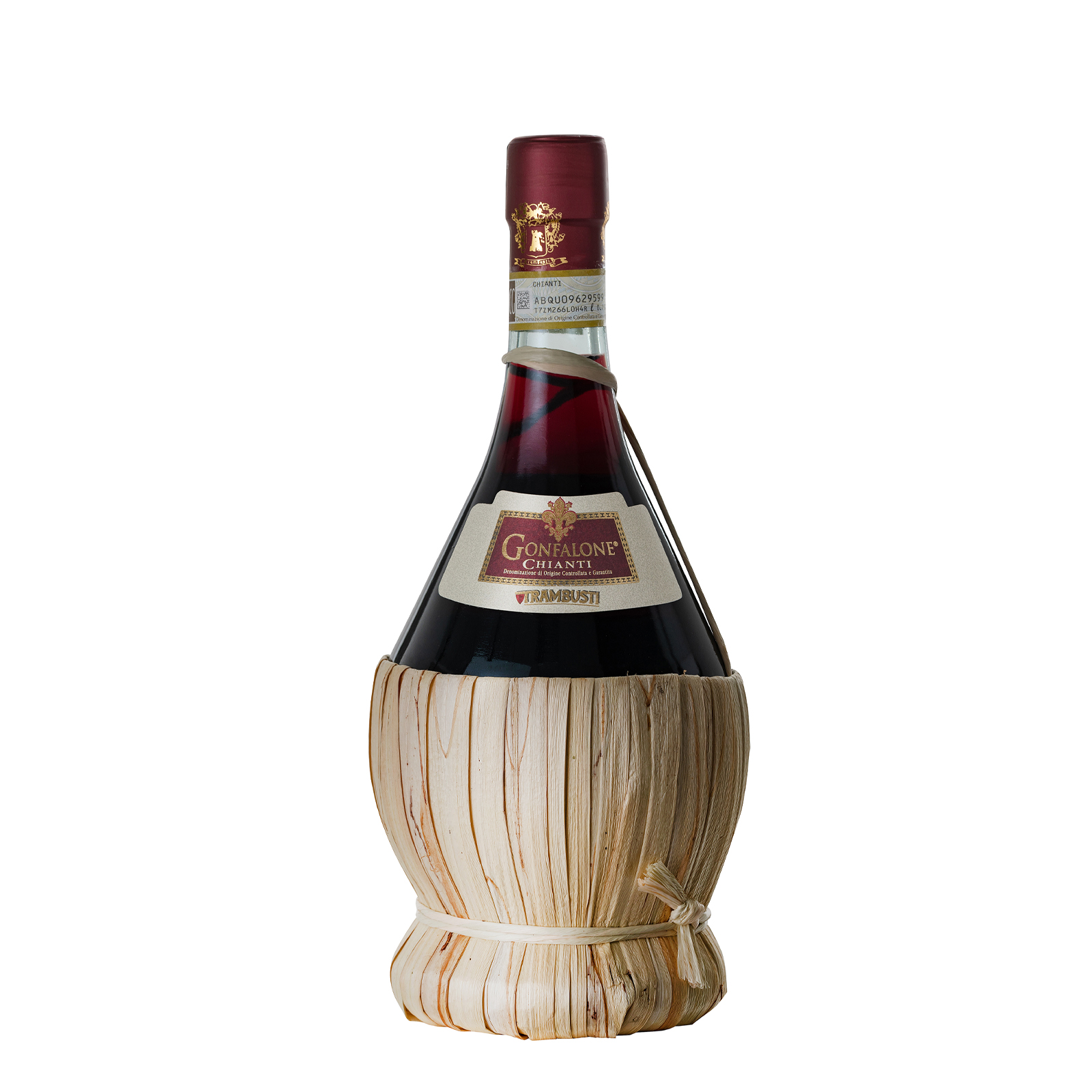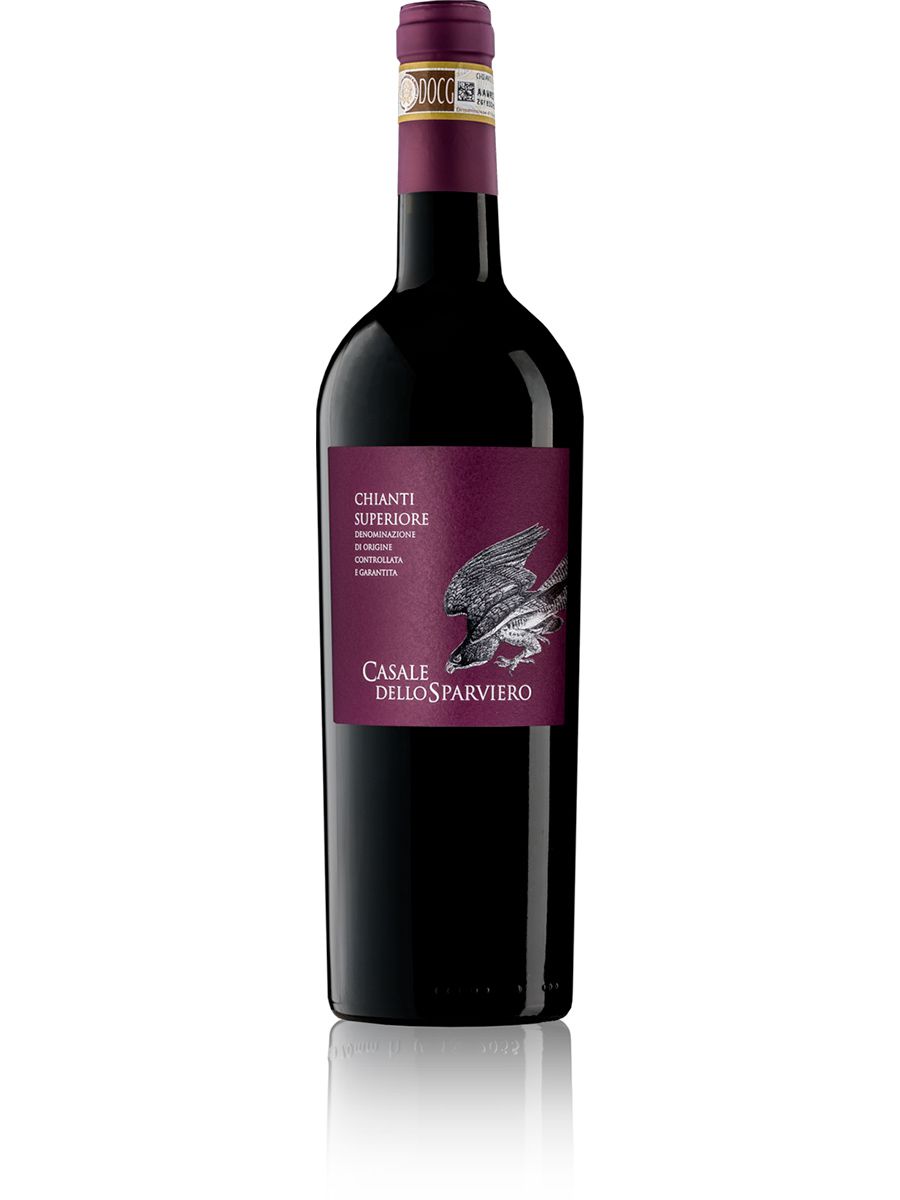


Chianti DOCG and Chianti Classico DOCG are two separate appellations, and confusing them is probably the most widespread misunderstanding in Italian wine. Chianti is the broad zone spread around the historic core, reaching from the province of Pisa to that of Arezzo, and its rules are more permissive: Sangiovese at a minimum of 70 per cent, against 80 in the Classico.
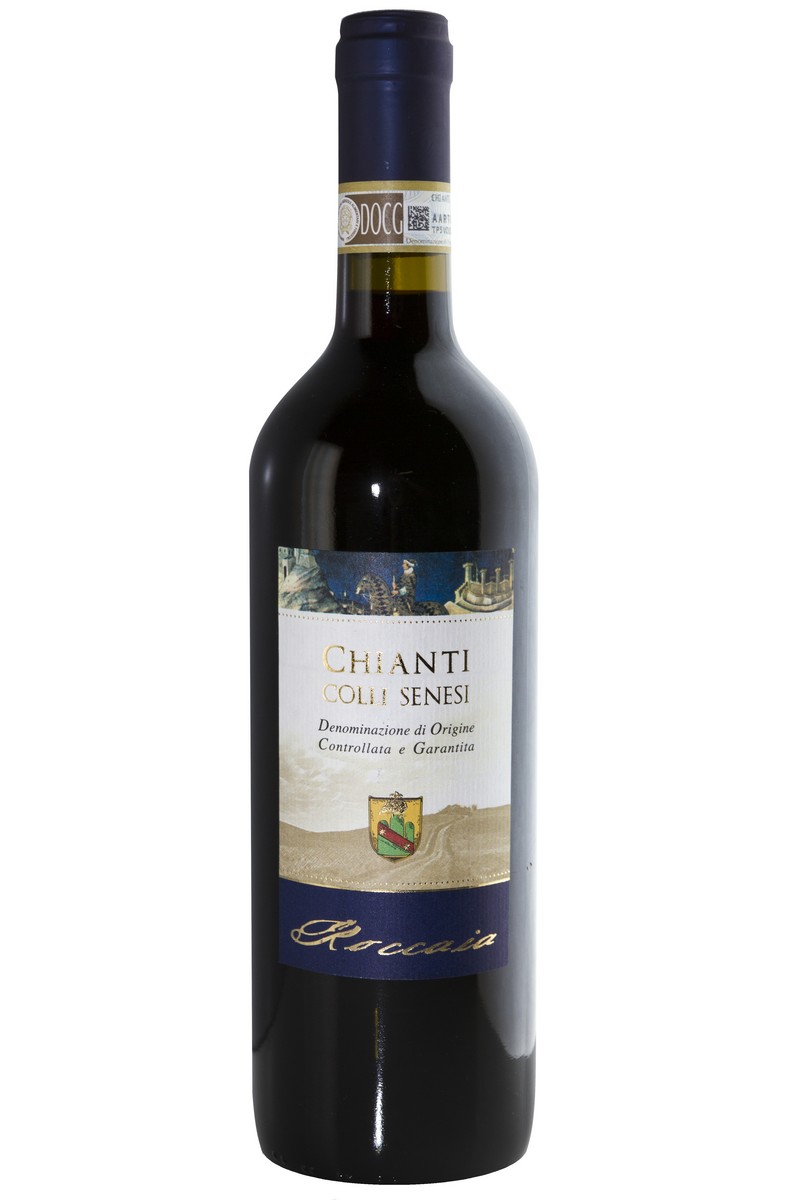
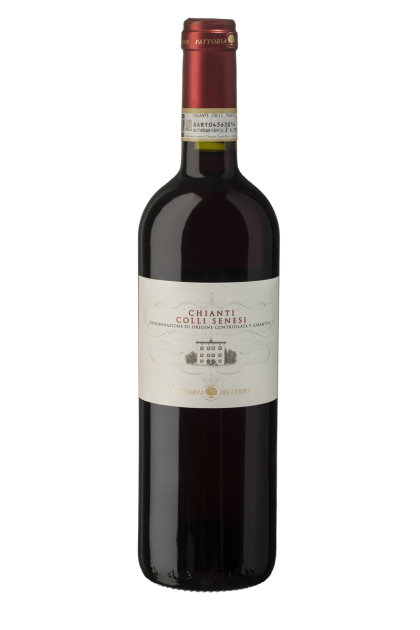
There are seven sub-zones, and they are not equivalent. Chianti Rufina, east of Florence along the Sieve valley, is the one to know: higher, cooler, giving tauter wines with an aging capacity that surprises anyone expecting a simple red. Colli Senesi is the largest, Colli Fiorentini and Montalbano ring Florence, and Colline Pisane, Colli Aretini and Montespertoli complete the map.
At entry level Chianti remains the Italian table red par excellence and should be judged as such: fresh, sour-cherried, earthy, with acidity that asks for food. Riserva requires twenty-four months of aging. The practical advice is to look for the sub-zone on the label — that is where this appellation starts saying something specific.