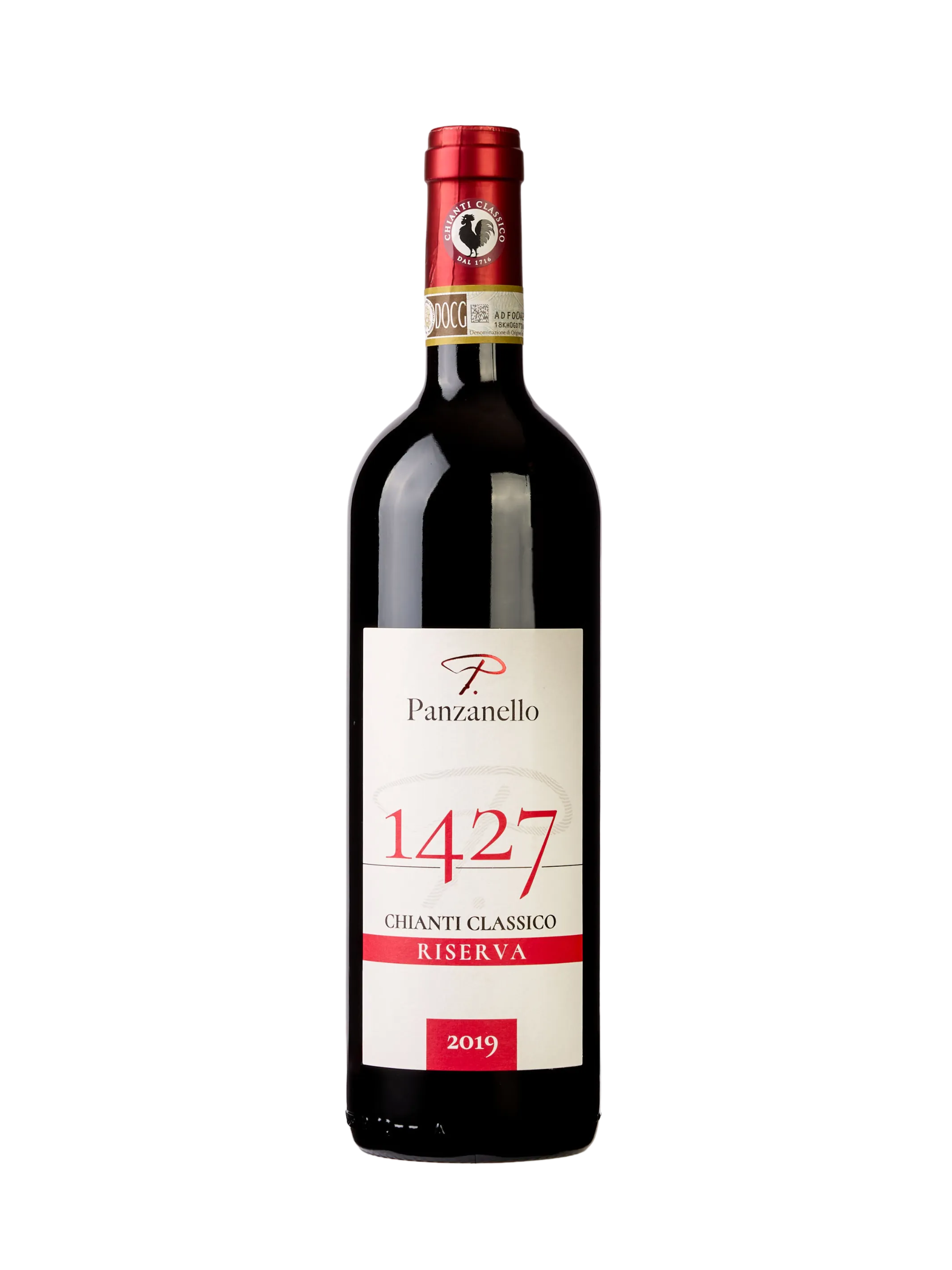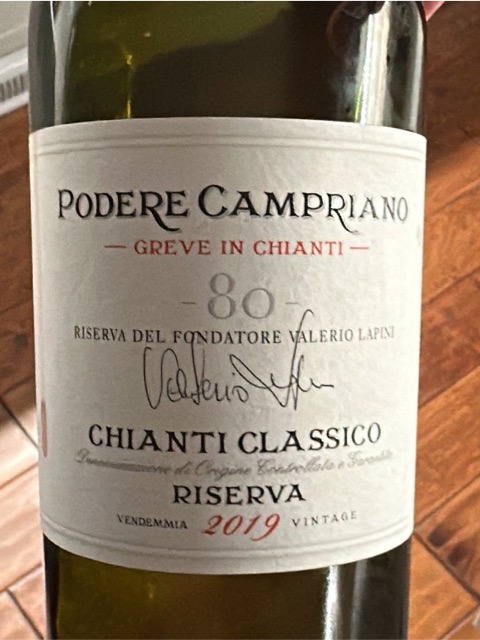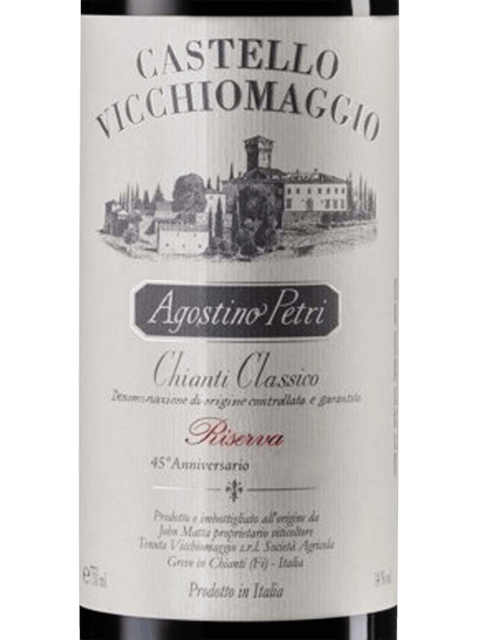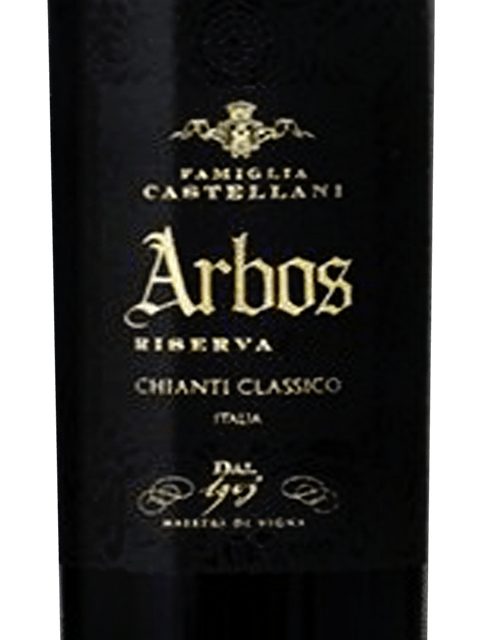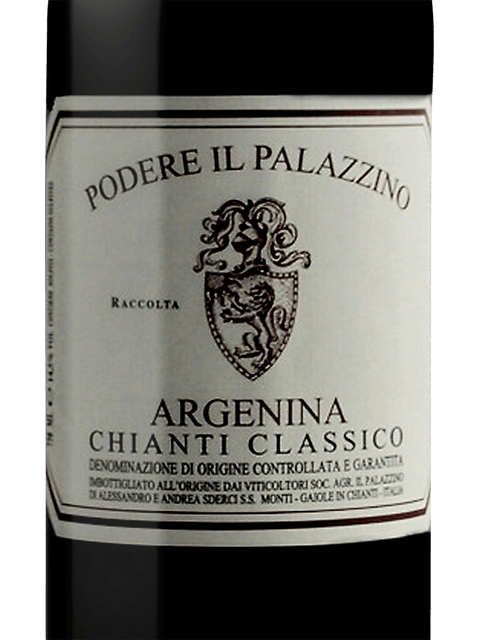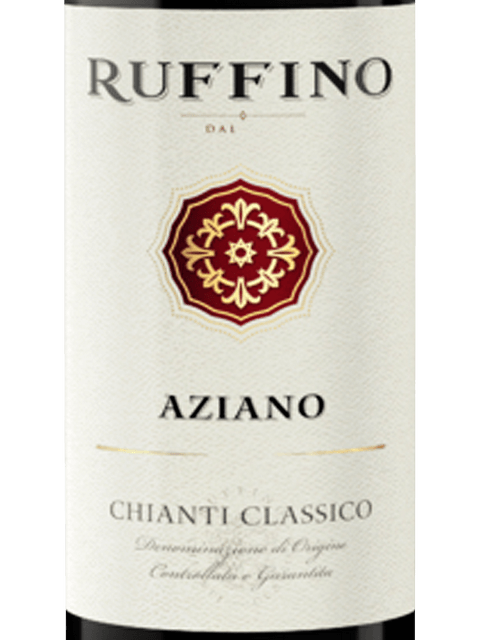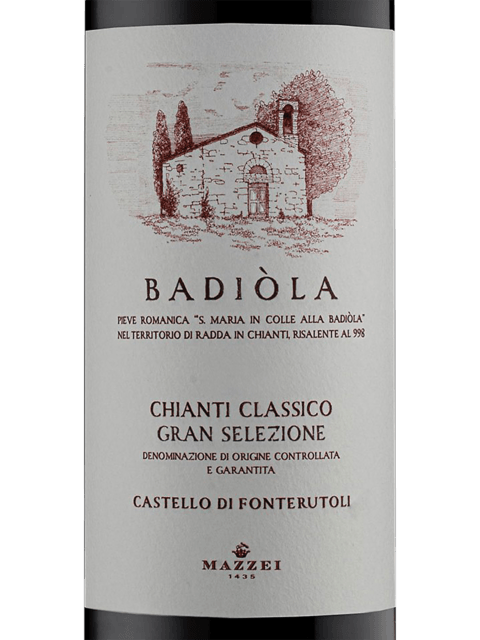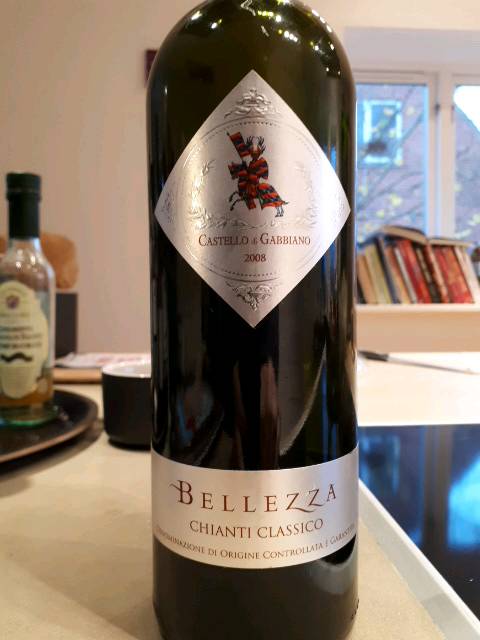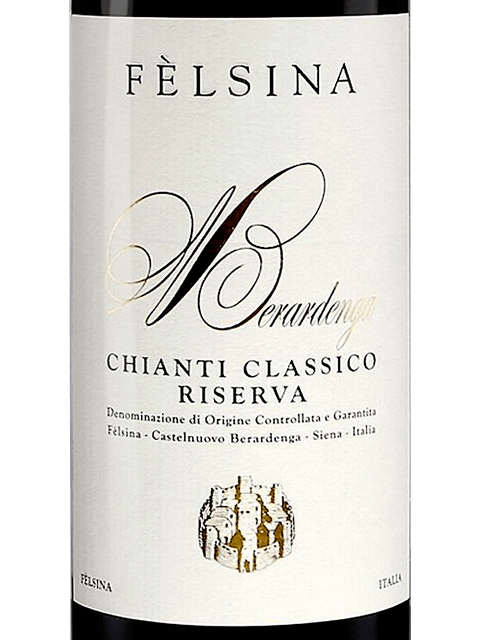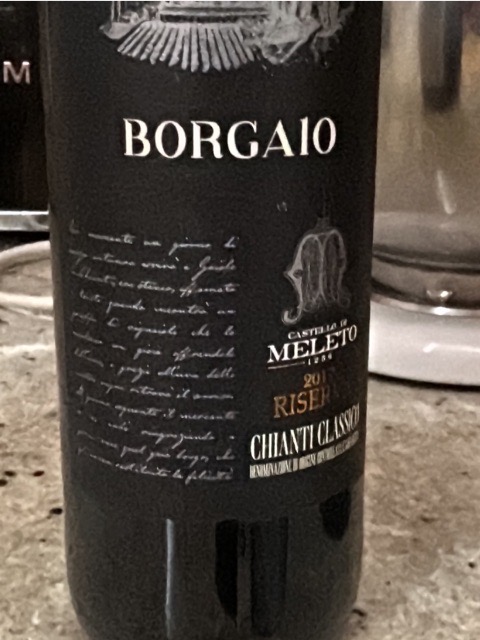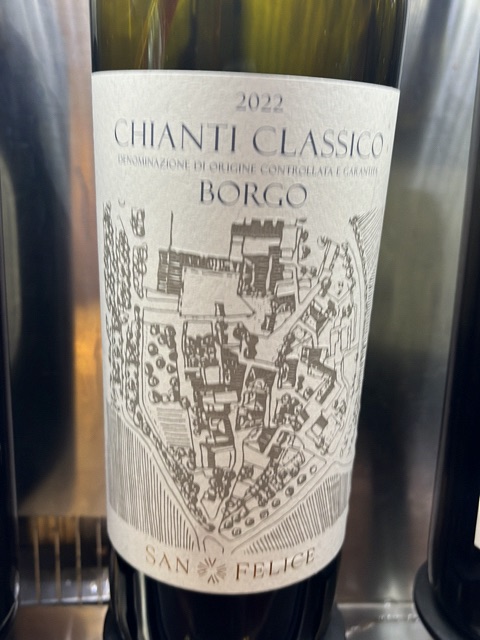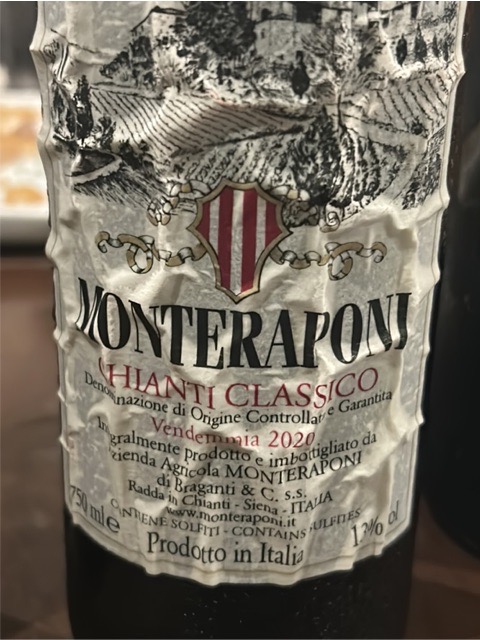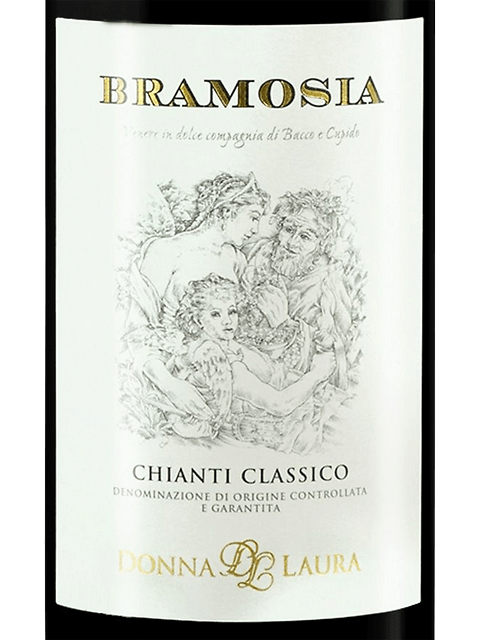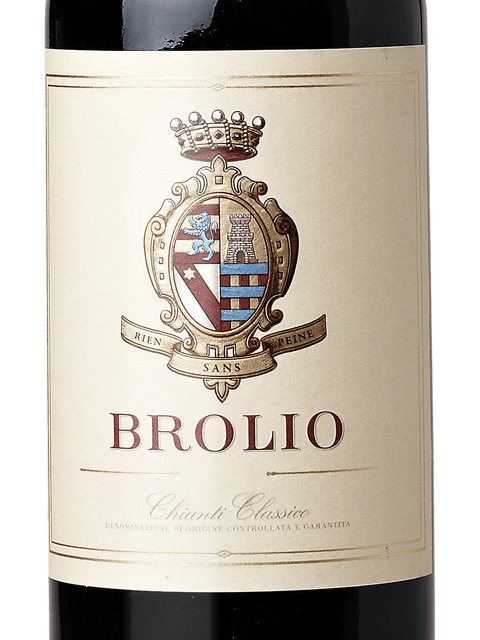


Chianti Classico is not the senior version of Chianti; it is a different appellation with a different rulebook. Its boundaries were drawn in 1716 by Cosimo III de' Medici, making it one of the first delimited wine zones anywhere, and it covers nine communes in the hills between Florence and Siena. Wines from here carry the Gallo Nero, the black rooster seal. Chianti DOCG, by contrast, is a much larger territory wrapped around it, and the two should not be read as grades of the same thing.
The grape is Sangiovese, minimum 80 per cent. That minimum is the story of the modern appellation. The 1967 rules obliged producers to blend in white grapes — Trebbiano and Malvasia — a legacy of the old governo practice that, applied at scale, thinned the wine into something pale and sharp. White grapes were made optional, then in 2006 banned outright. Much of what people still remember as thin Chianti in a straw fiasco is a memory of that rule, not of the place.
There are three tiers, and they are aging categories rather than quality grades in the abstract. Annata is released after a minimum of twelve months. Riserva requires twenty-four, including three in bottle. Gran Selezione, introduced in 2014, requires thirty months and must be made from the estate's own fruit; since the 2023 revision it also demands at least 90 per cent Sangiovese and admits only native varieties, closing the door on the international grapes that had been quietly propping up some bottlings.
The most useful recent change for anyone actually buying the wine is the arrival of the UGA — eleven Unità Geografiche Aggiuntive, named subzones such as Panzano, Lamole, Radda, Montefioralle and Castelnuovo Berardenga, which may appear on Gran Selezione labels. Lamole at 600 metres and Castelnuovo Berardenga on the warm southern edge produce recognisably different wine, and the label is finally allowed to say so.