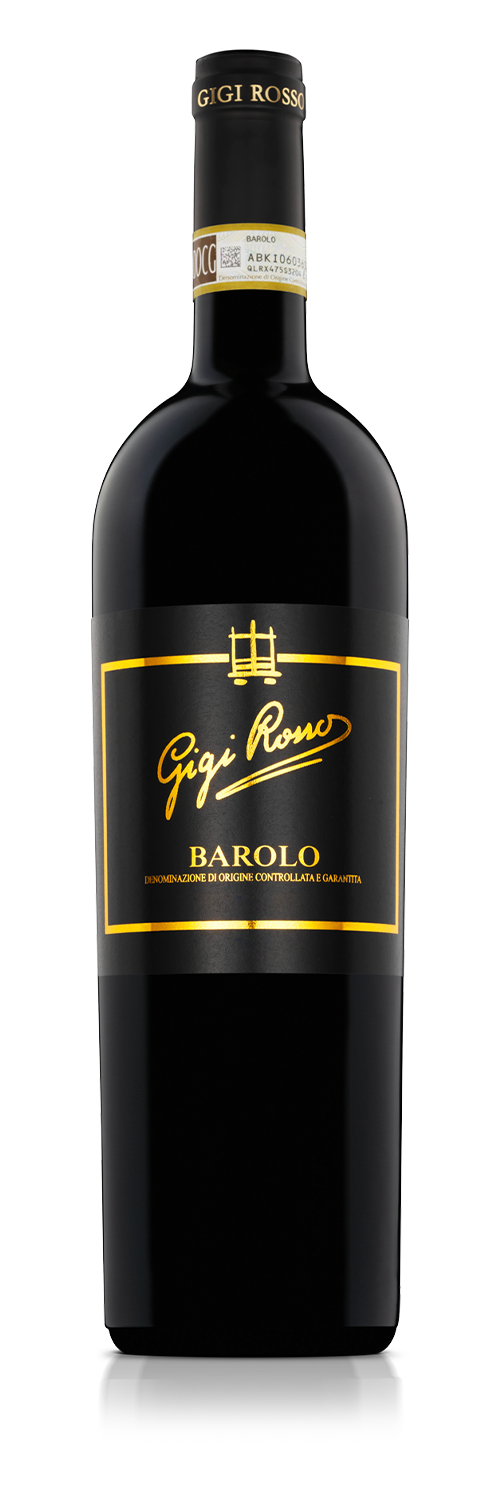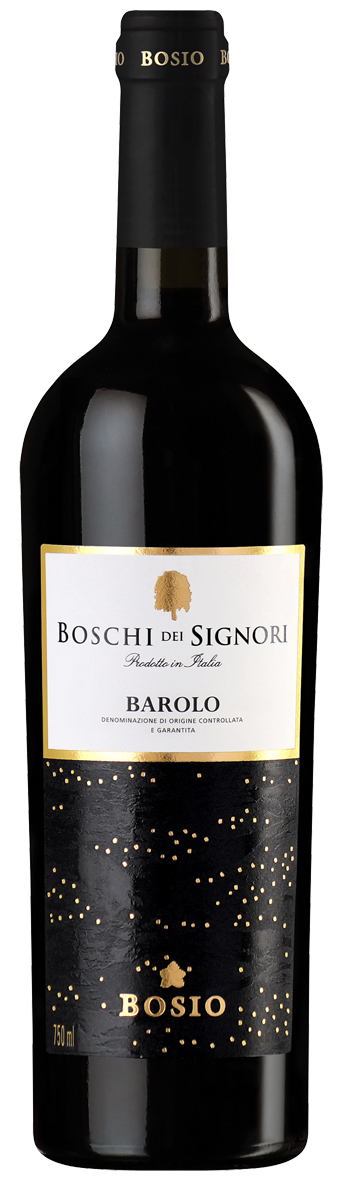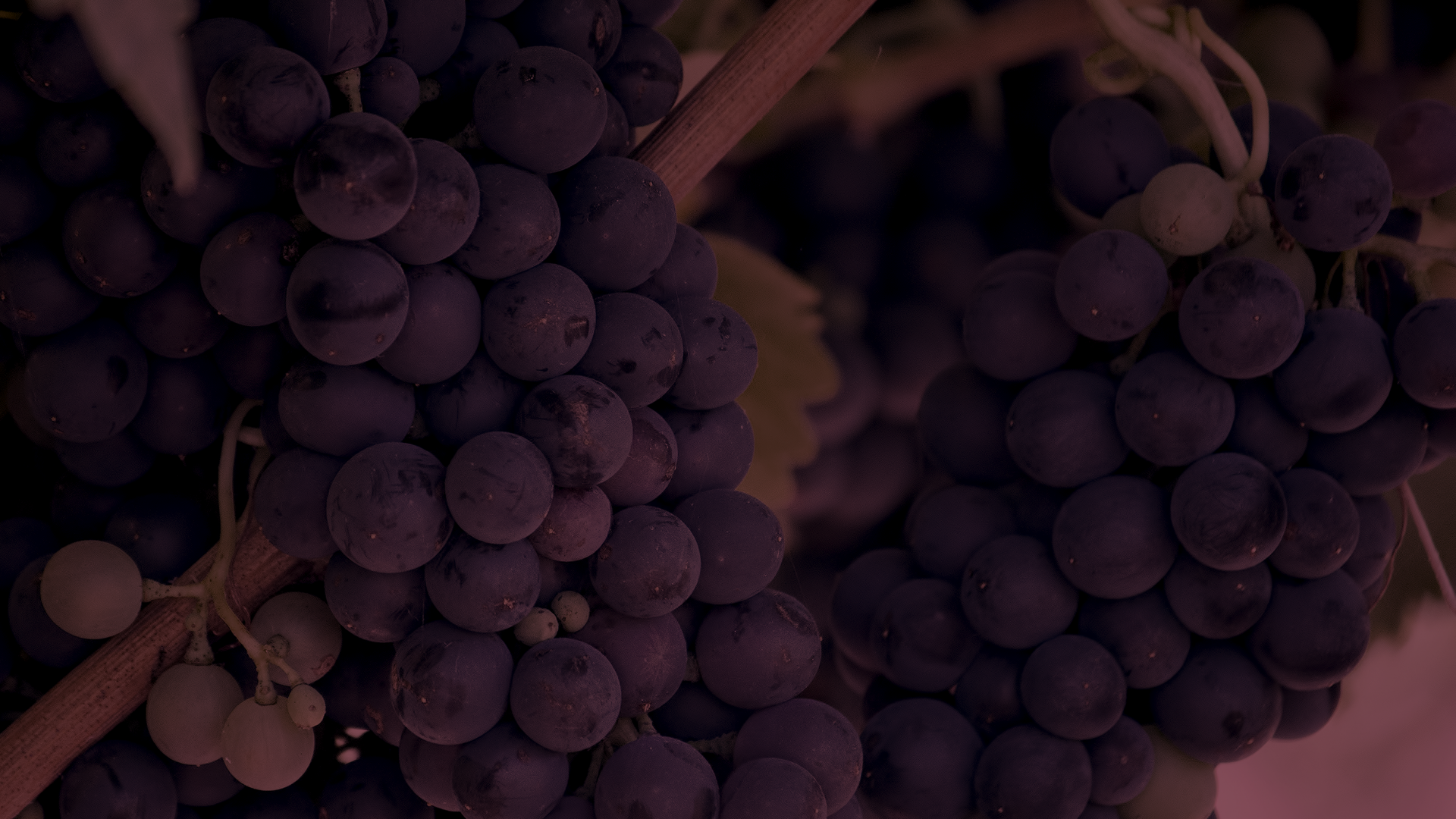


Barolo is Nebbiolo and nothing else. It comes from eleven communes in the Langhe hills south-west of Alba, in Piemonte, and it was among the first Italian wines to receive DOCG status, in 1980. Nebbiolo gives a wine that is pale — often bricking to orange at the rim within a few years — while being formidably tannic and acidic. That gap between appearance and structure is the single most misleading thing about it, and the reason it is so often opened a decade too early.
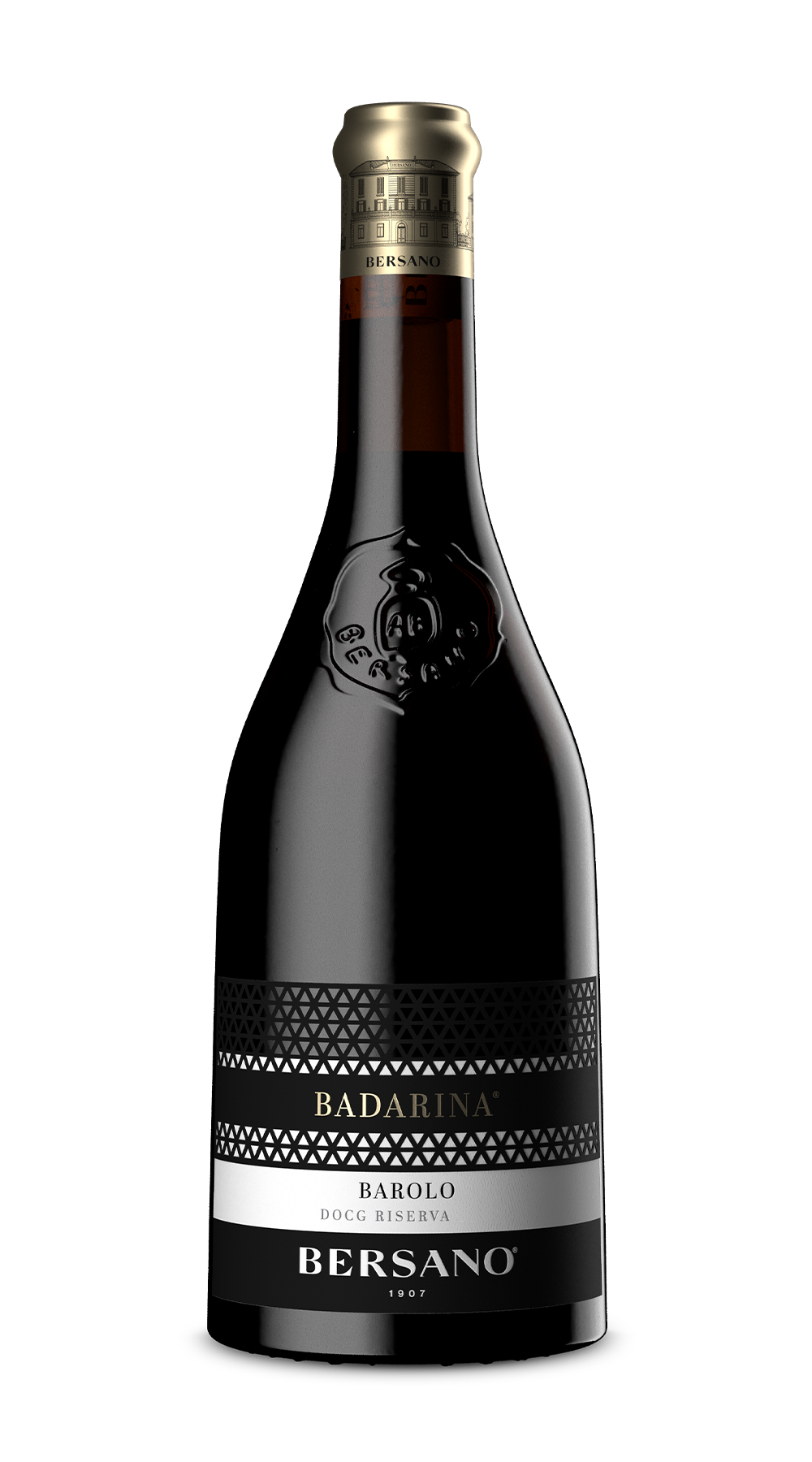
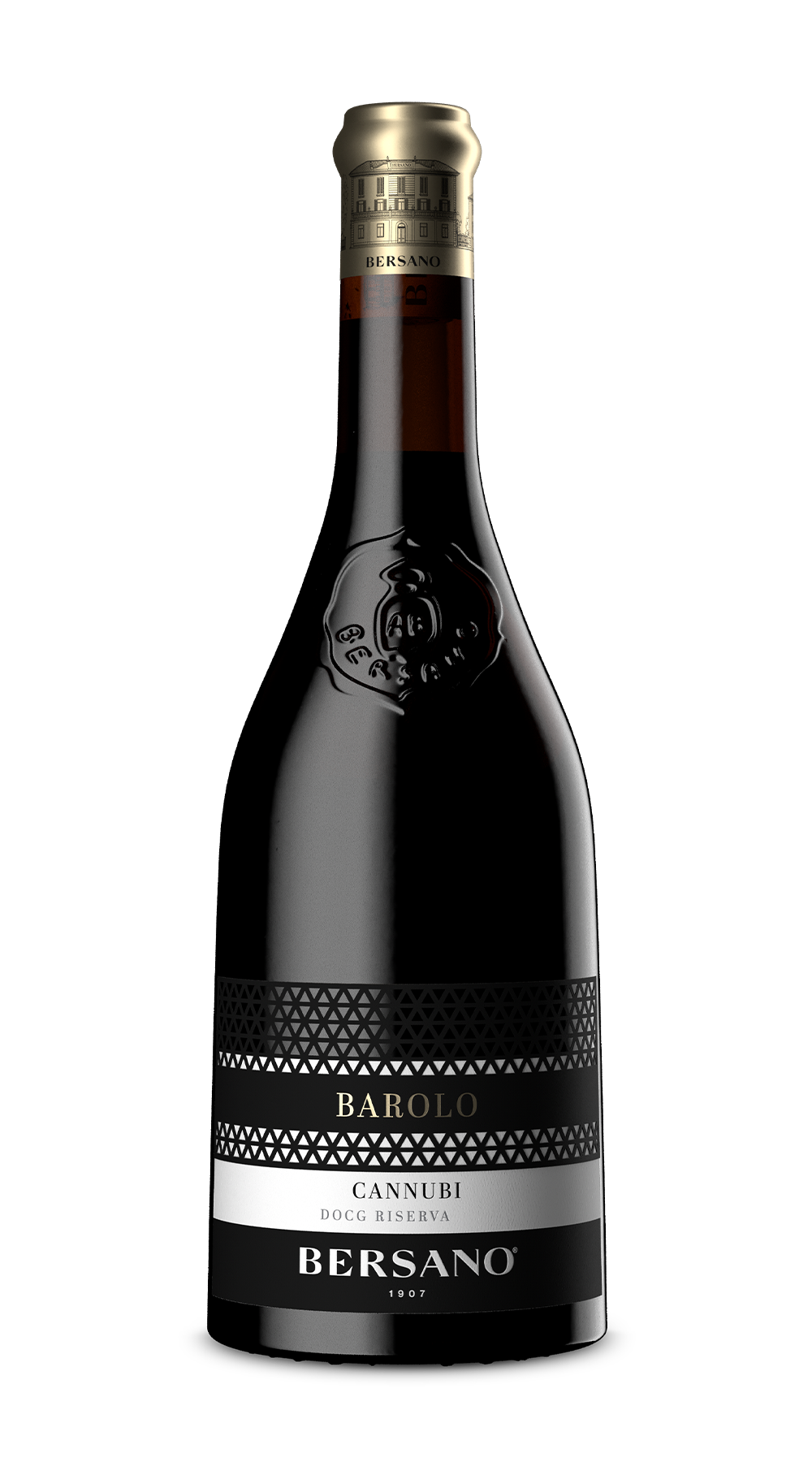
The aging minimum is thirty-eight months from the first of November of the harvest year, of which at least eighteen must be in wood. Riserva requires sixty-two months. In practice this means a Barolo reaches the shelf in its fourth or fifth year, and the good ones are only beginning.
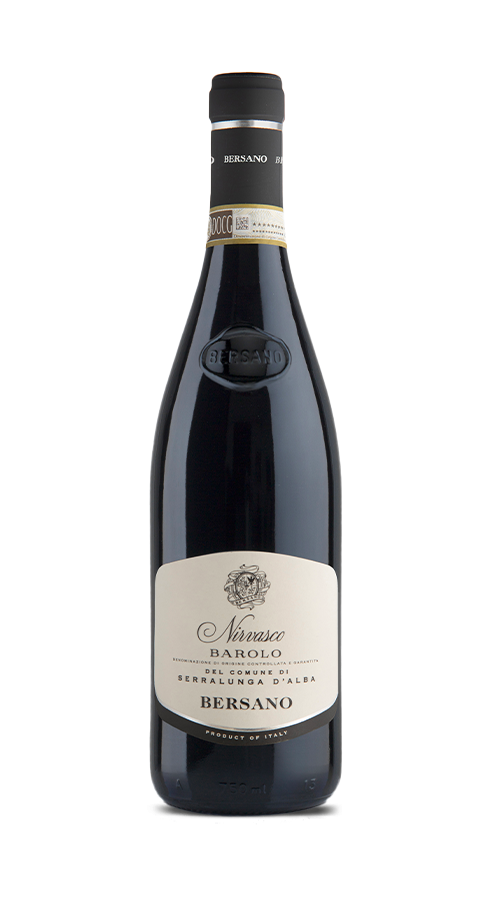
Geology does the heavy lifting. The zone straddles two soil formations. The Tortonian marls of La Morra and Barolo commune give more perfumed, earlier-approachable wine; the older, sandier Serravallian soils of Serralunga d'Alba, Monforte and Castiglione Falletto give firmer, slower, longer-lived bottles. Producers will tell you this before they tell you about their oak regime, and they are right to.
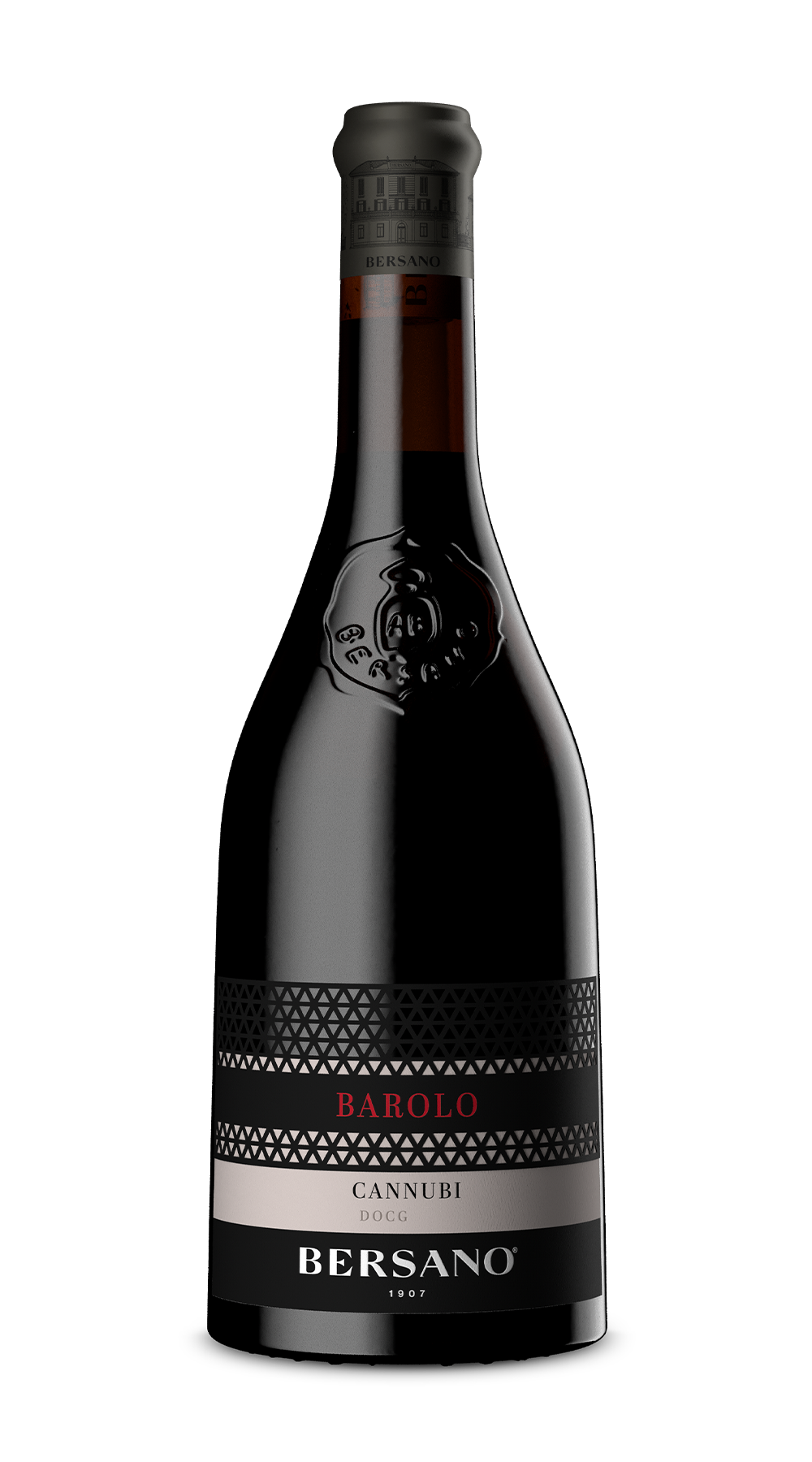
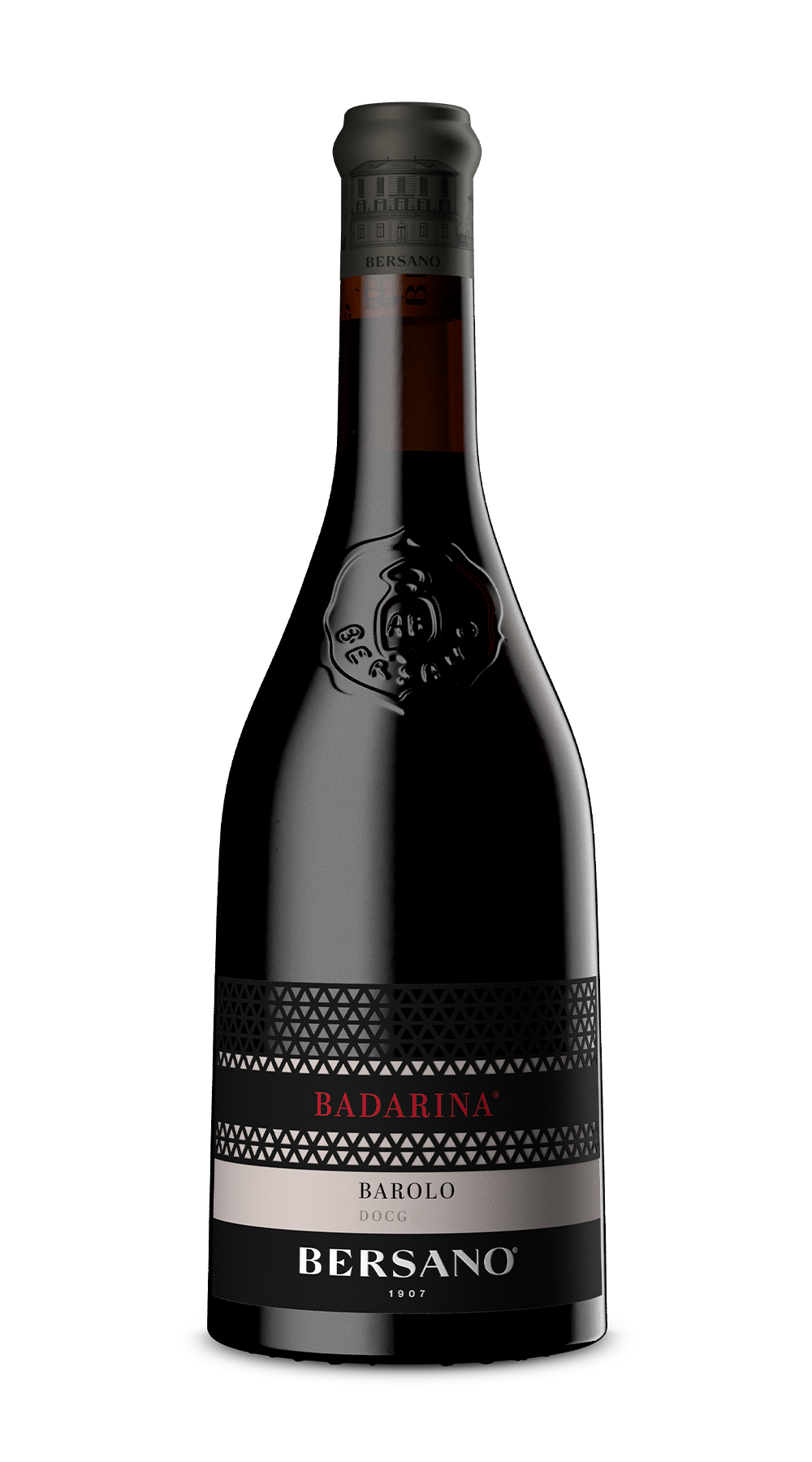
Since 2010 labels may carry an MGA — Menzione Geografica Aggiuntiva — one of 181 mapped vineyard sites such as Cannubi, Brunate, Vigna Rionda or Bussia. It is not a hierarchy in the Burgundian sense; no MGA is formally ranked above another. It is a statement of origin, and learning three or four of them does more for your buying than any score.