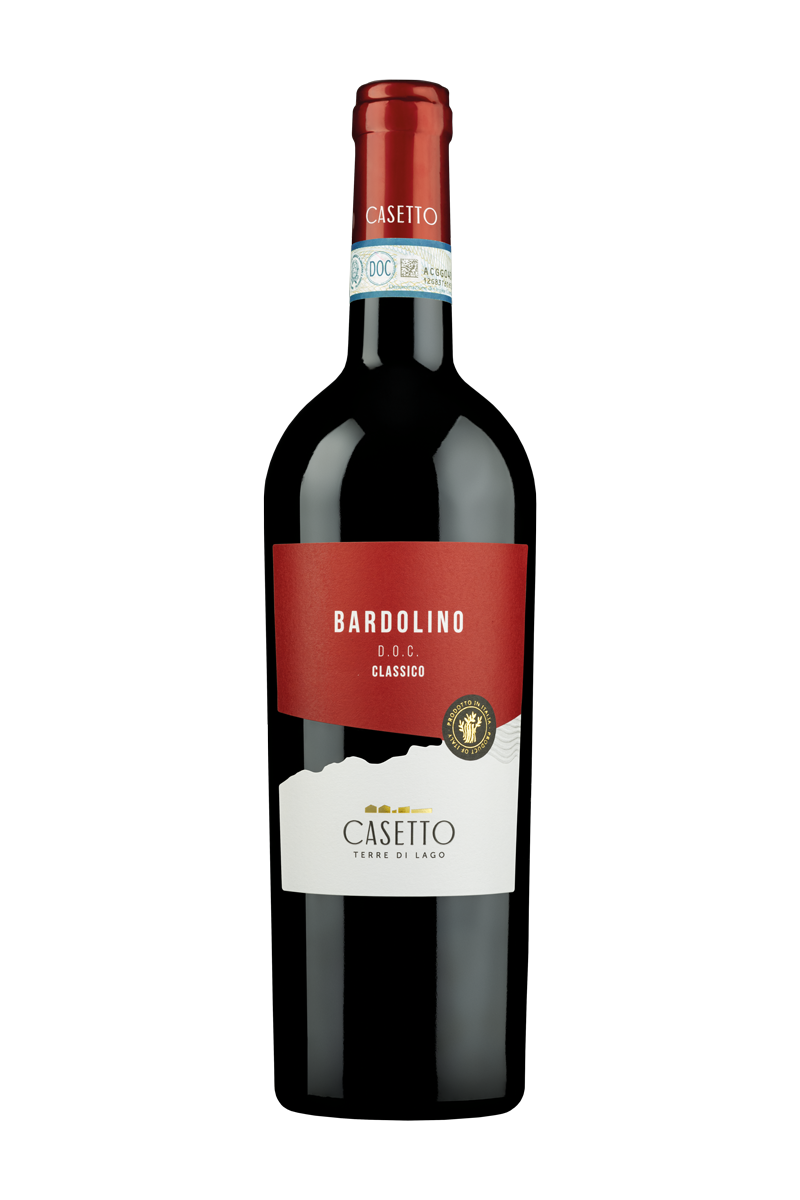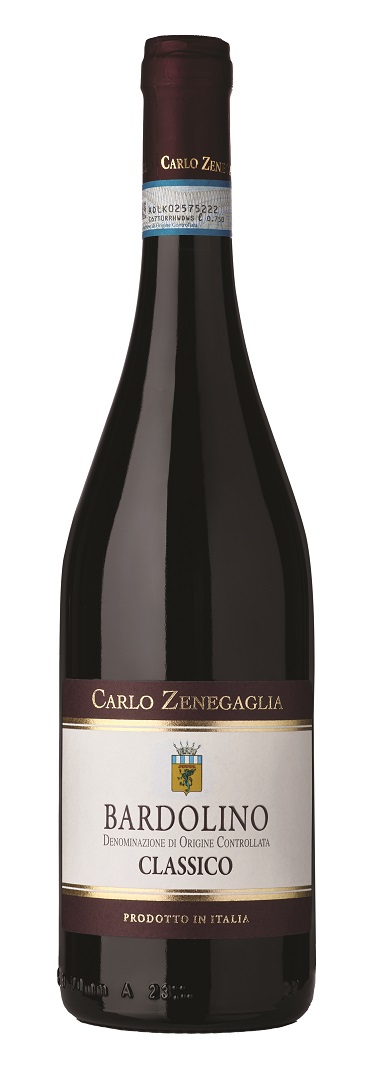


Bardolino is grown on the morainic hills along the eastern shore of Lake Garda, in the province of Verona. The grapes are largely the same as Valpolicella's — Corvina from 35 to 95 per cent, Rondinella from 5 to 40 — but the lake moderates the climate and the soils are gravellier, and the result is a distinctly lighter wine: pale ruby, red-fruited, gently spiced, low in tannin and genuinely good served at cellar temperature.
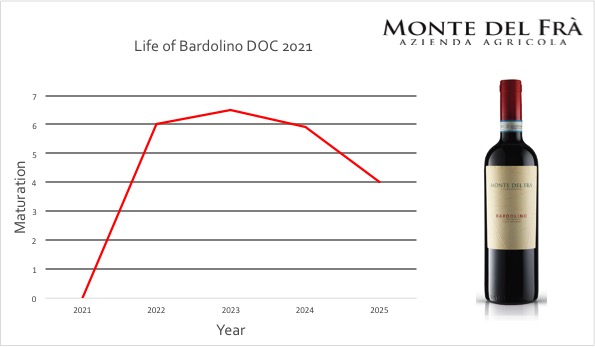
For years that lightness was treated as a weakness, and the appellation chased weight it was never built for. The current direction is the opposite, and more convincing: a wine positioned closer to a Loire red or a cru Beaujolais than to a big Veronese red, made to be drunk young and cool.
Since 2018 three subzones may appear on the label, and they describe real differences. La Rocca sits on the higher moraine near Garda town; Montebaldo climbs towards the mountain of that name; Sommacampagna lies inland to the south-east, on warmer, flatter ground.
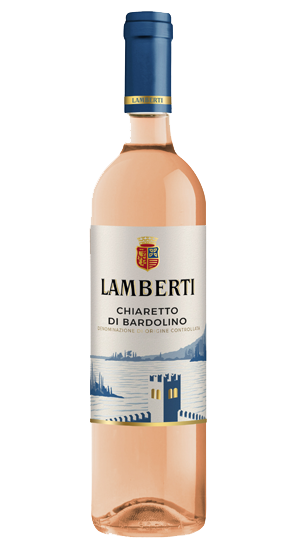
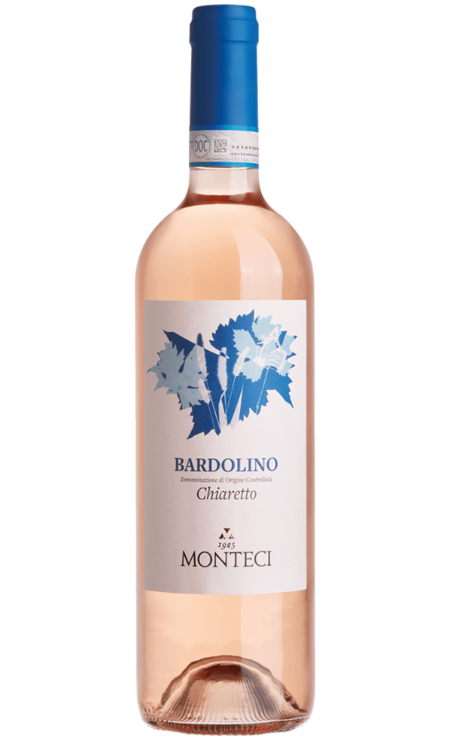
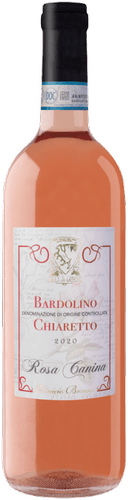
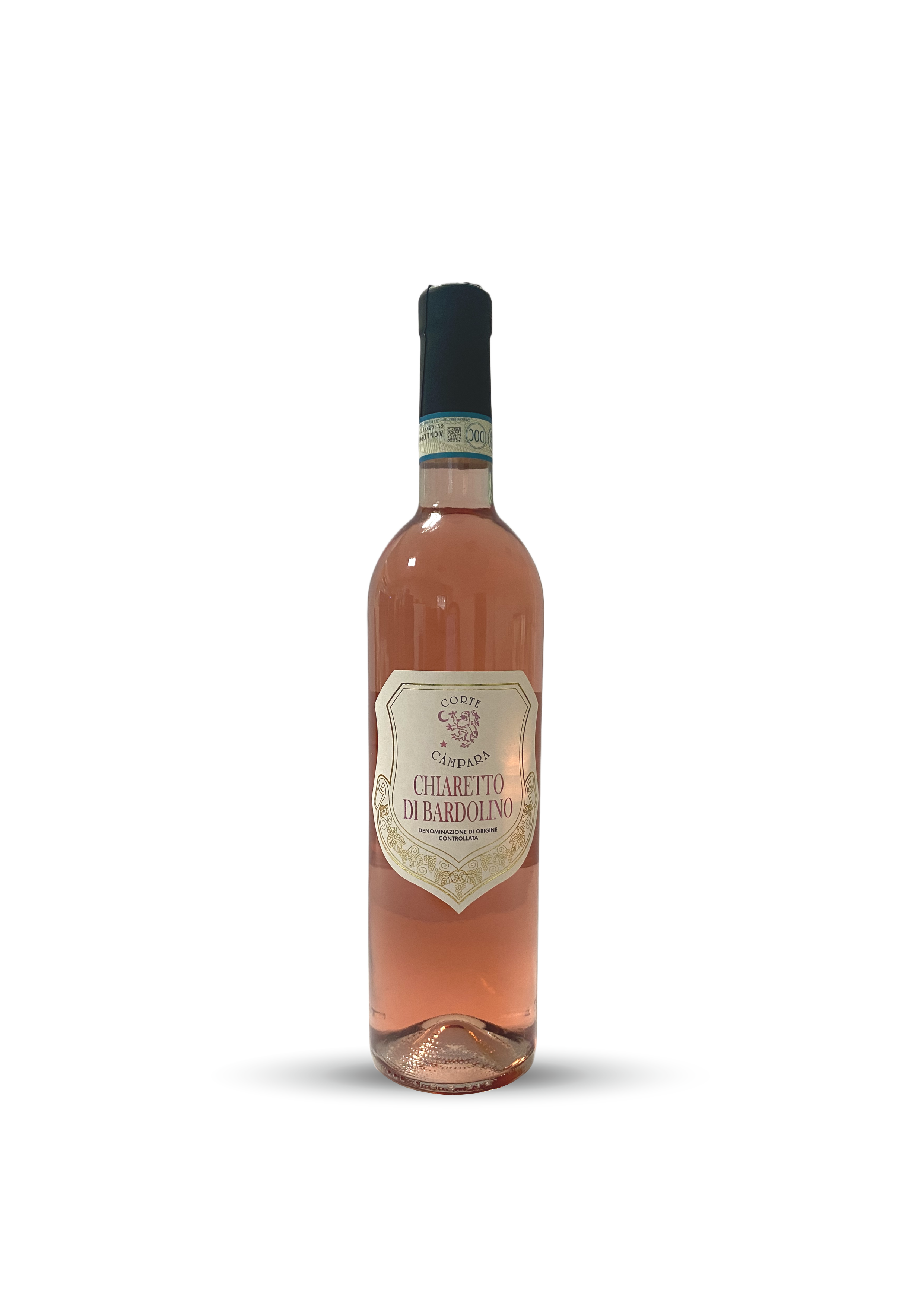
Chiaretto is the rosé, made from the same grapes with brief skin contact, and in commercial terms it has become at least as important as the red. Bardolino Superiore, meanwhile, holds DOCG status, granted in 2001, and asks for more concentration and a year's aging.