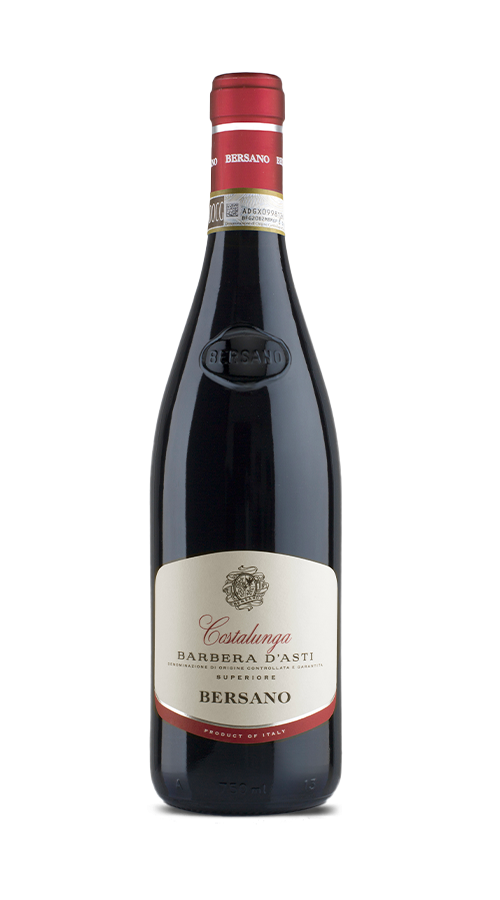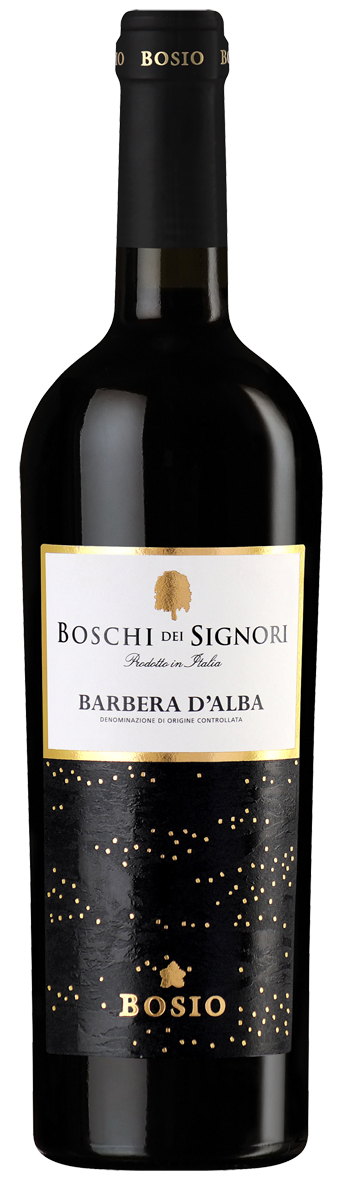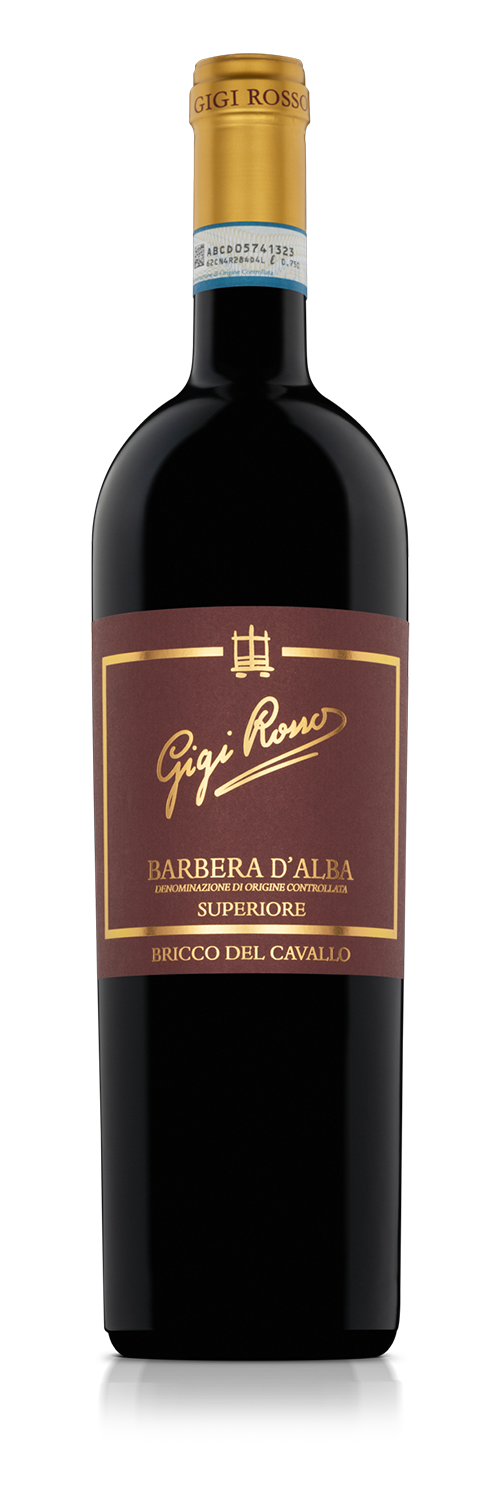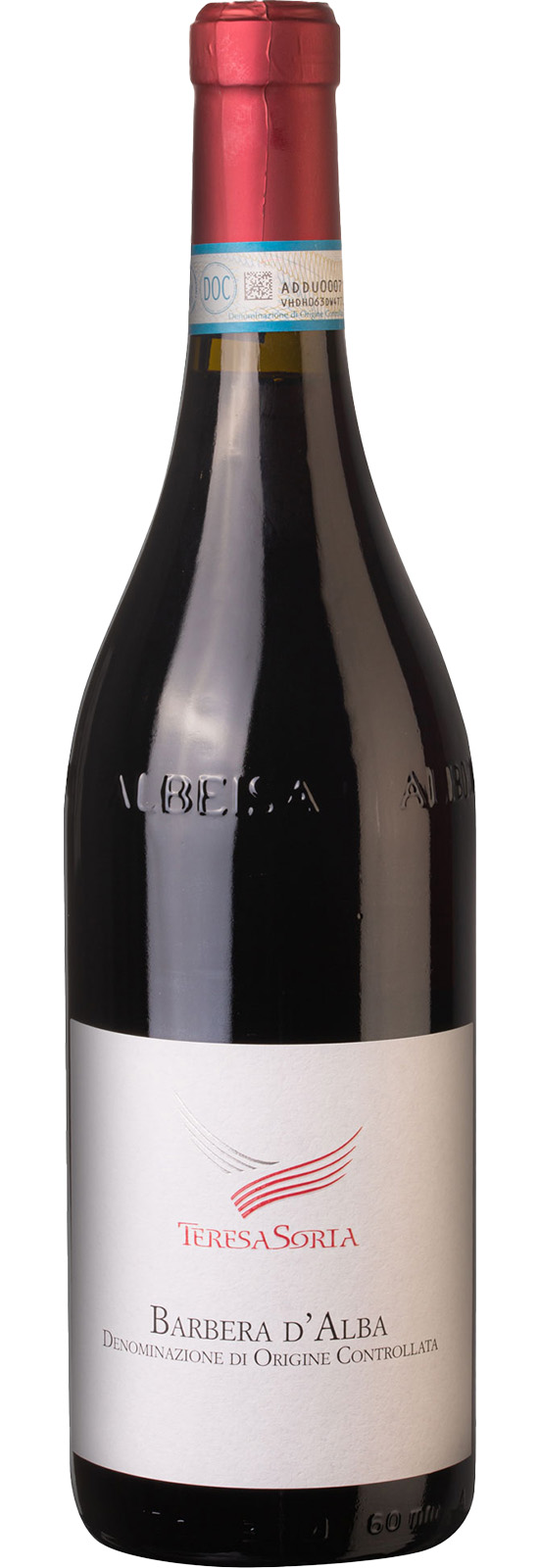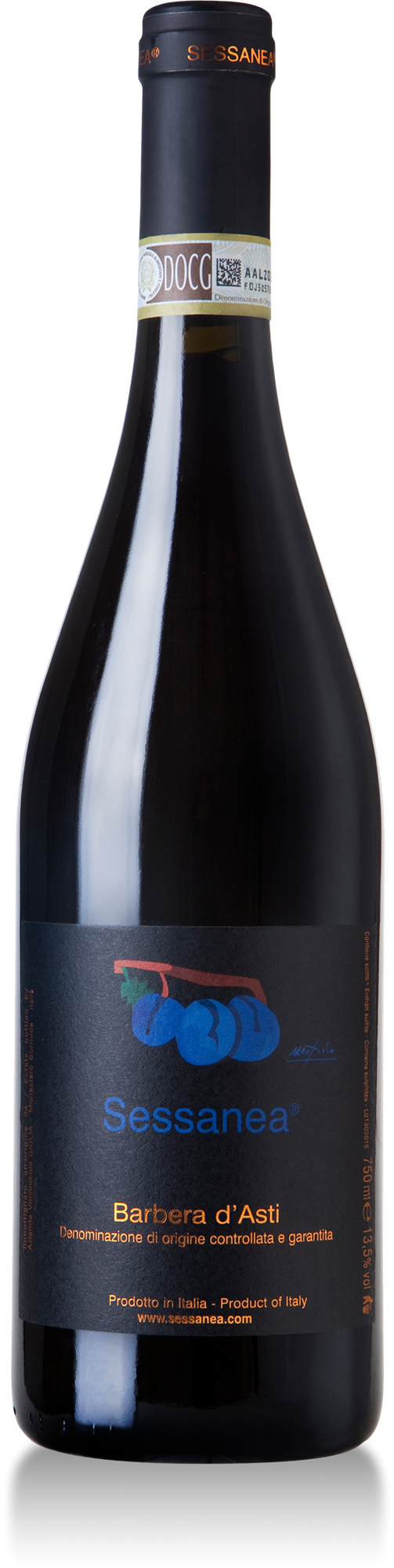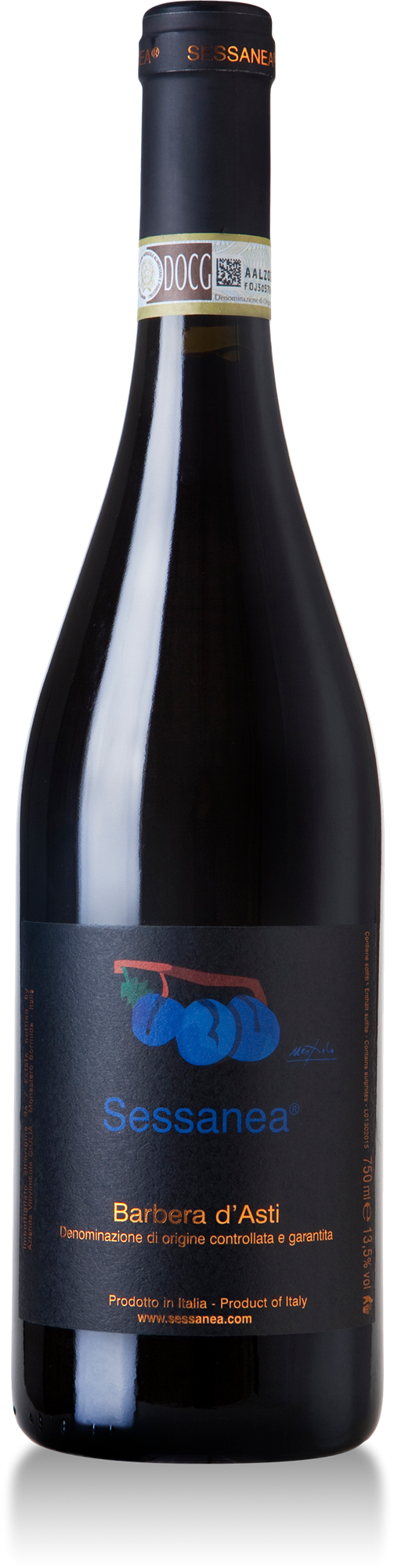


Barbera is the most planted variety in Piedmont and was long its weekday wine, while Nebbiolo took the occasions. Its profile is unusual: deep, almost black colour, very high acidity and remarkably little tannin. That is the exact inverse of Nebbiolo, which is pale and tannic, and it explains why Barbera drinks so readily despite all that acid structure.
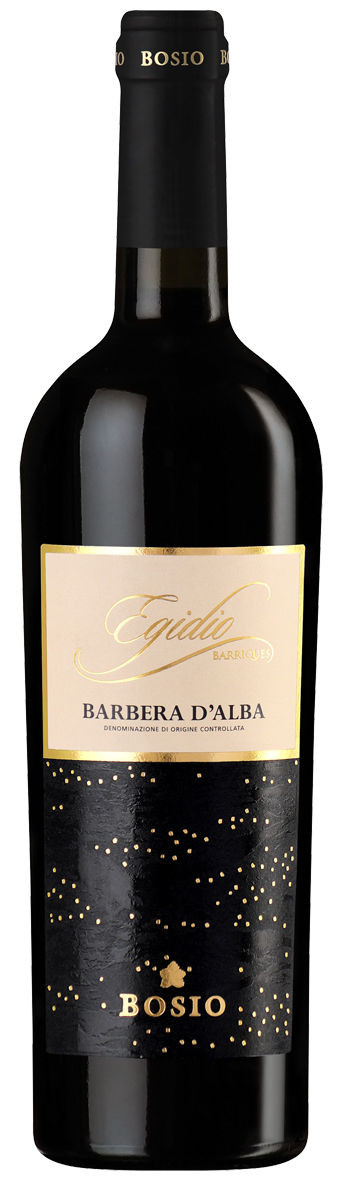
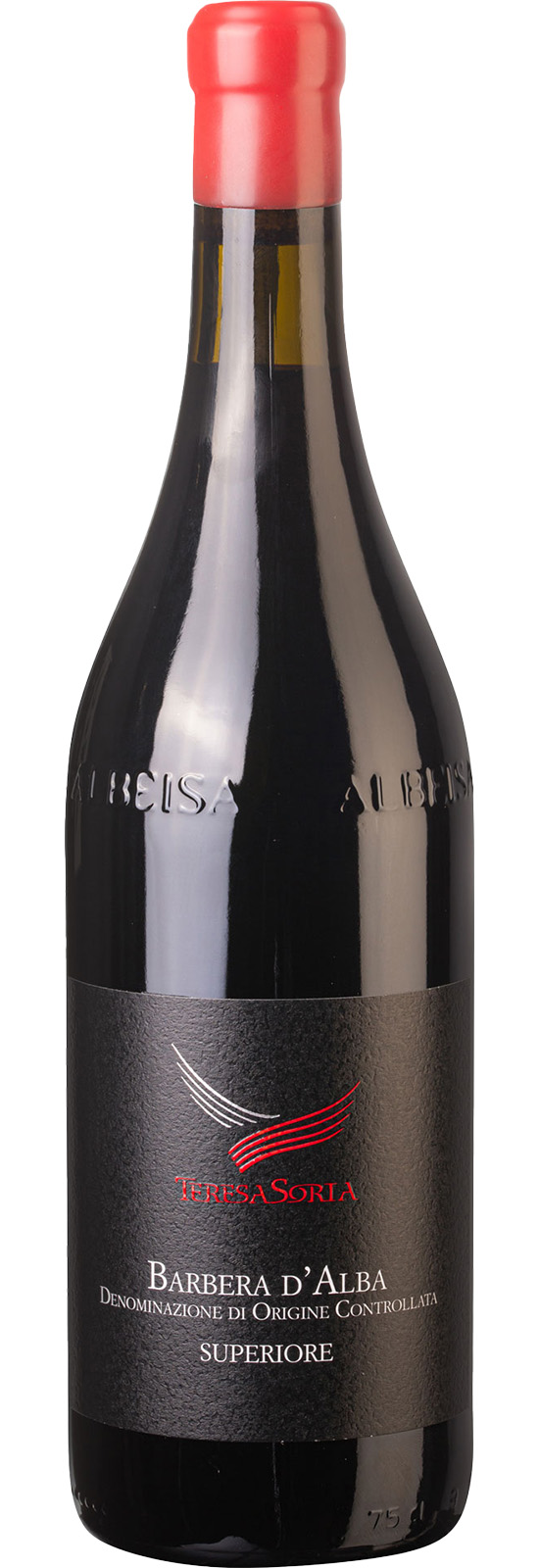
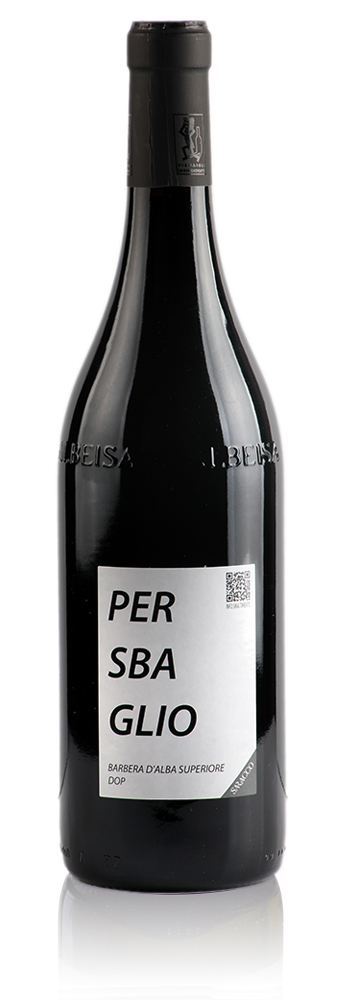
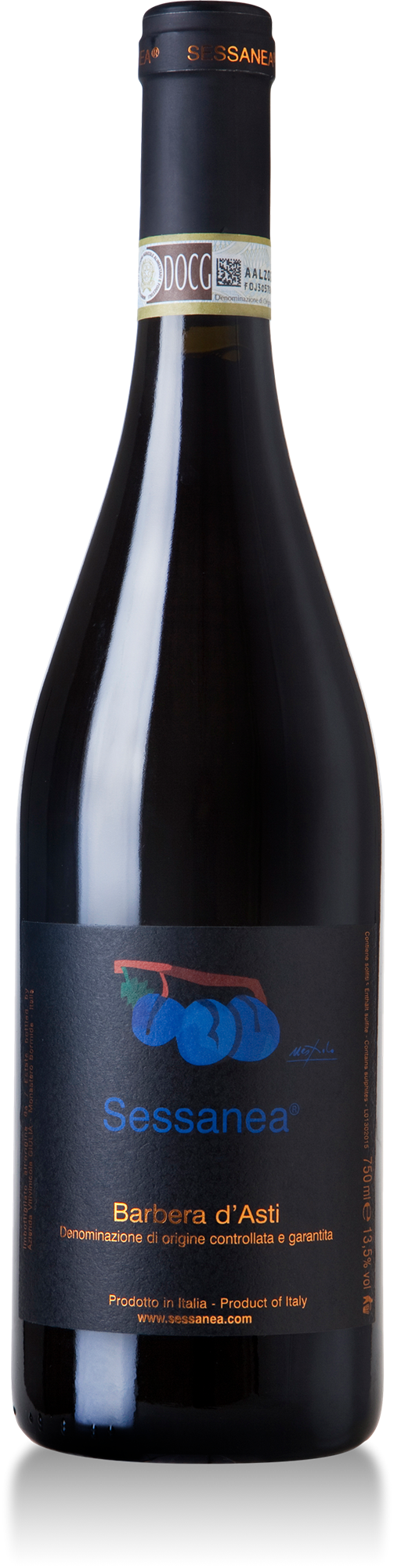
Two appellations matter most. Barbera d'Asti, DOCG since 2008, grows on more calcareous soils and gives tauter, more upright wines. Barbera d'Alba, a DOC, grows in the Barolo hills themselves, often on the parcels less suited to Nebbiolo, and tends to be rounder and fruitier. In 2014 the best sub-zone of the Asti area became Nizza DOCG, with lower yields and longer aging.
The turning point has a date and a name. In 1982 Giacomo Bologna bottled Bricco dell'Uccellone, a Barbera aged in barrique and priced like a serious wine. It proved that the grape's acidity, married to oak, could carry age. The appellation has lived with two identities ever since — the everyday red and the bottle to think about — and both are legitimate.