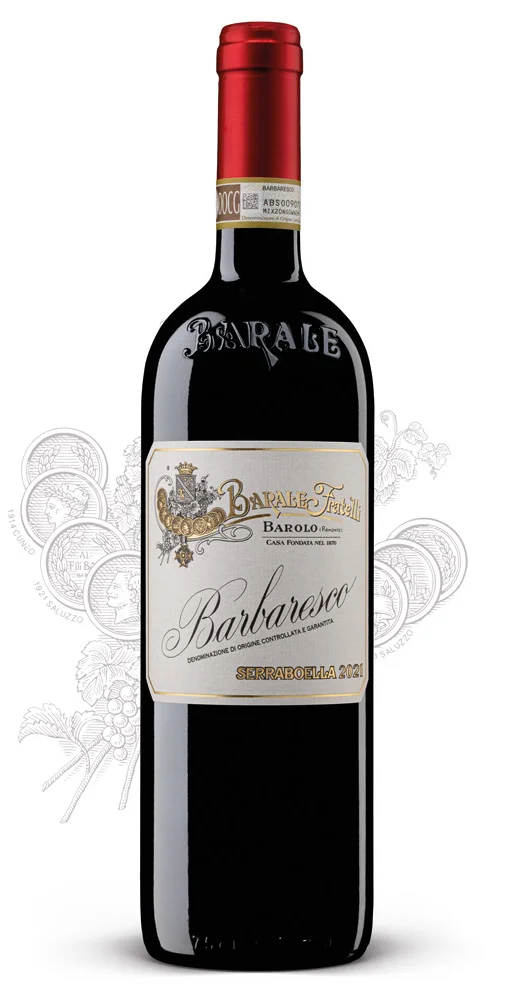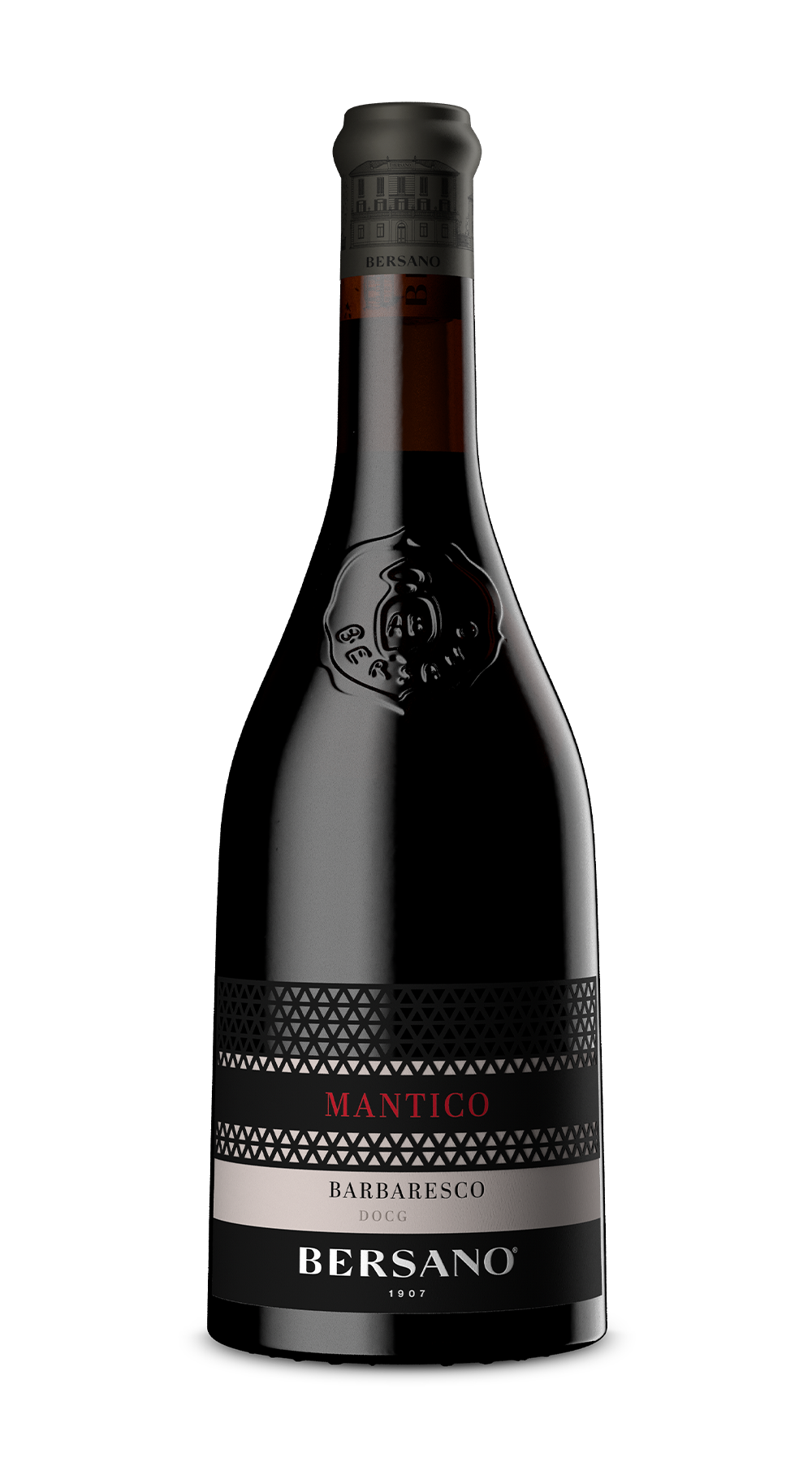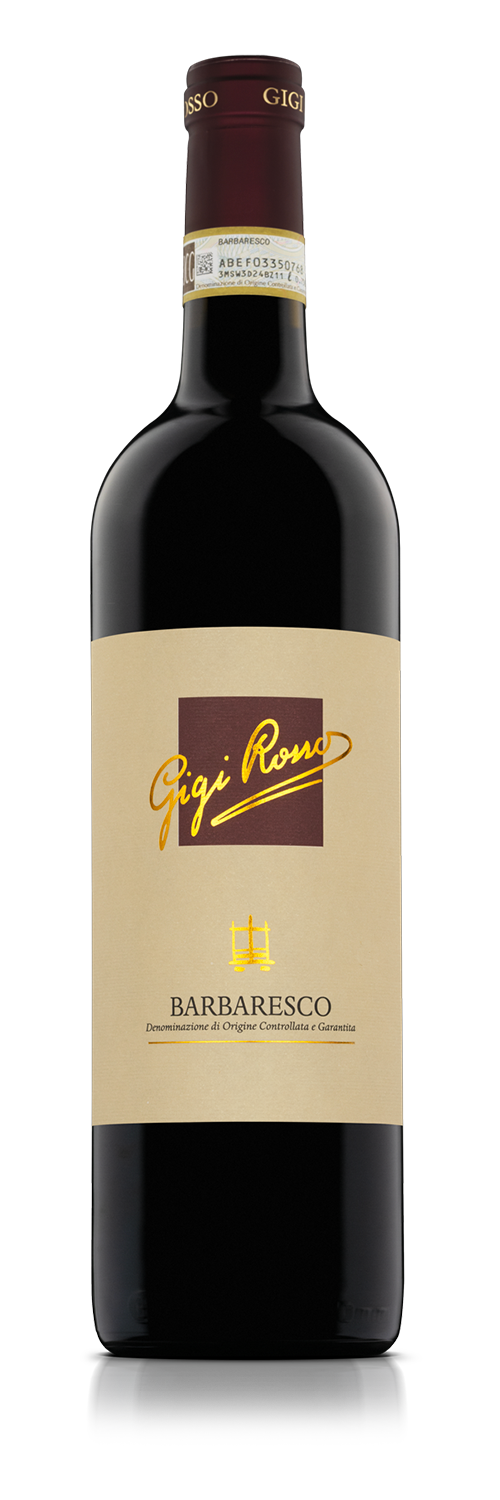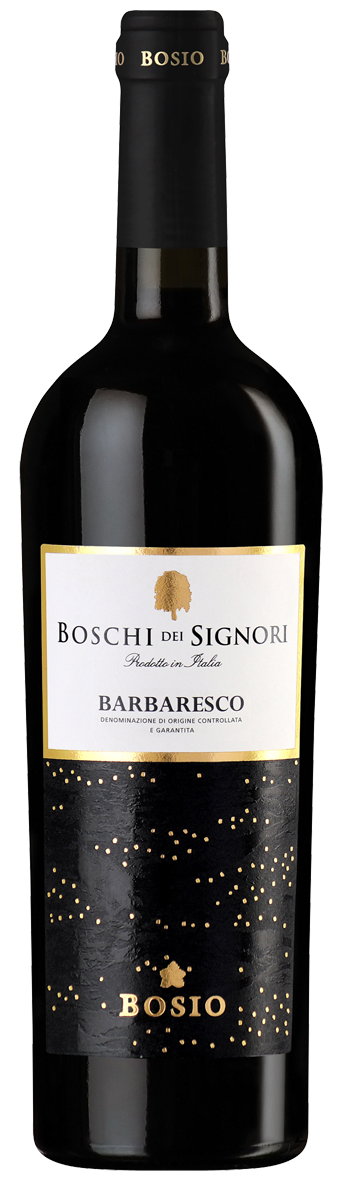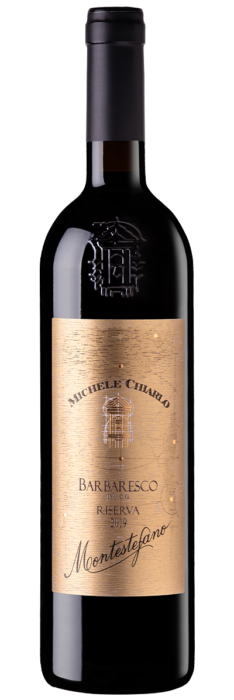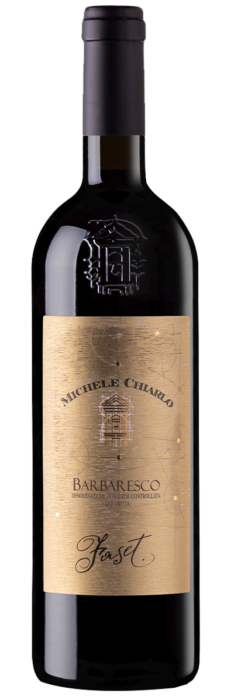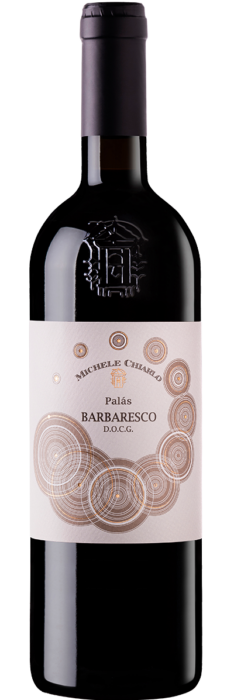


Barbaresco is made from pure Nebbiolo in four communes east of Alba: Barbaresco, Neive, Treiso and the San Rocco Seno d'Elvio hamlet. It received DOCG status in 1980, the same year as Barolo, and the two are close enough to share soils and tradition while being different enough not to be interchangeable.
The main difference is the Tanaro. The Barbaresco hills are lower and nearer the river, and therefore slightly warmer: Nebbiolo ripens earlier and gives wines of finer tannin and more immediate approachability. The rules acknowledge this and ask for twenty-six months of aging, nine of them in wood, against Barolo's thirty-eight; Riserva requires fifty.
Calling Barbaresco the junior Barolo is convenient and wrong. It is a slimmer, earlier wine, not a less serious one, and the best bottles age as long as great Barolo. The appellation has sixty-six MGA vineyard names, and Angelo Gaja's work from the 1960s onwards was decisive in getting it recognised as a territory in its own right.