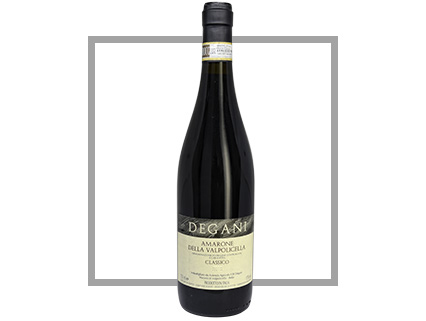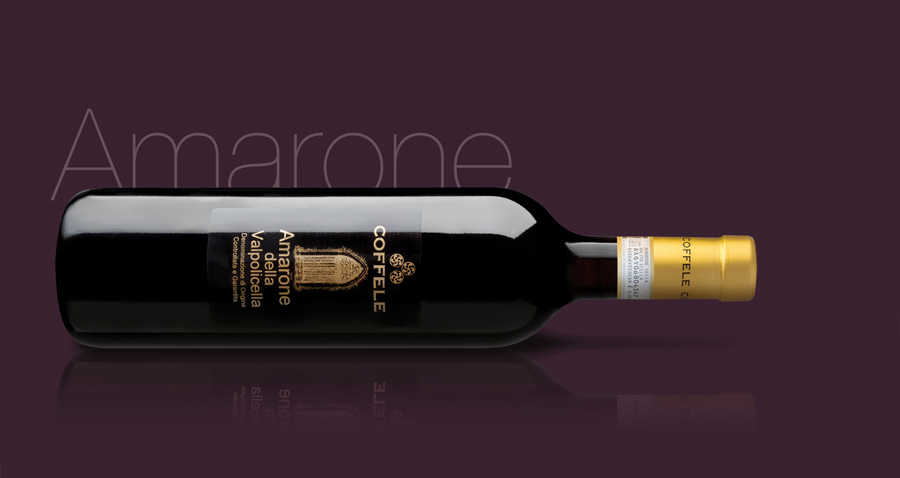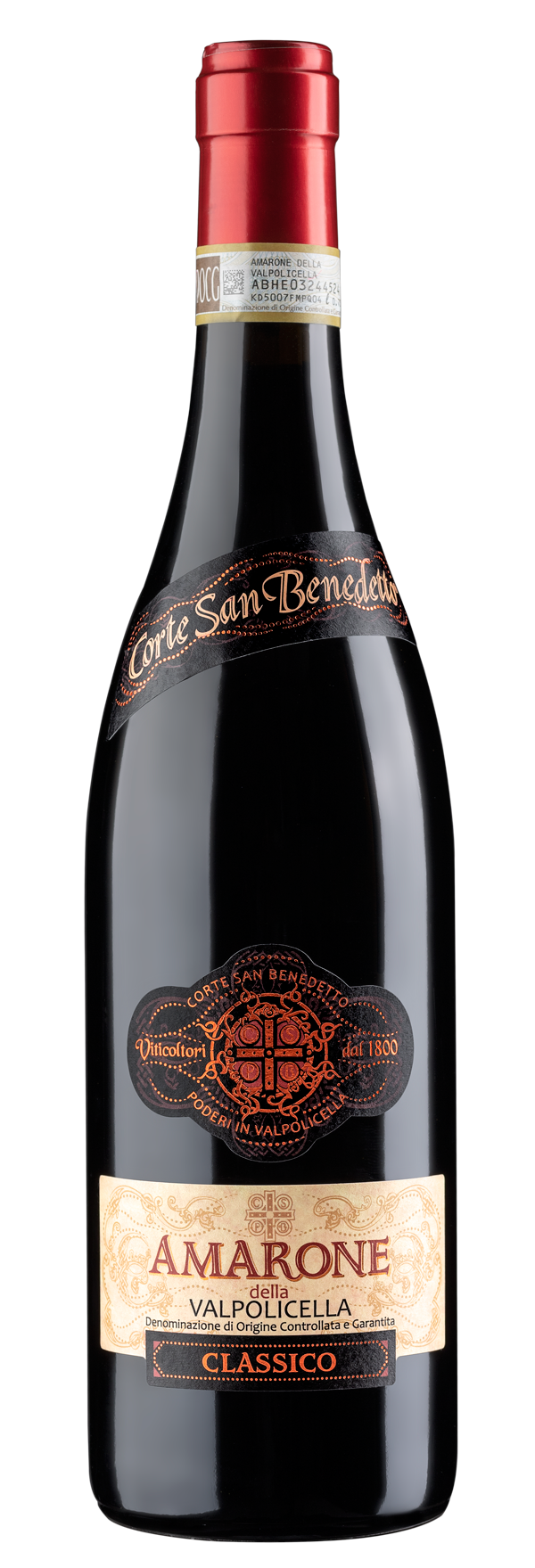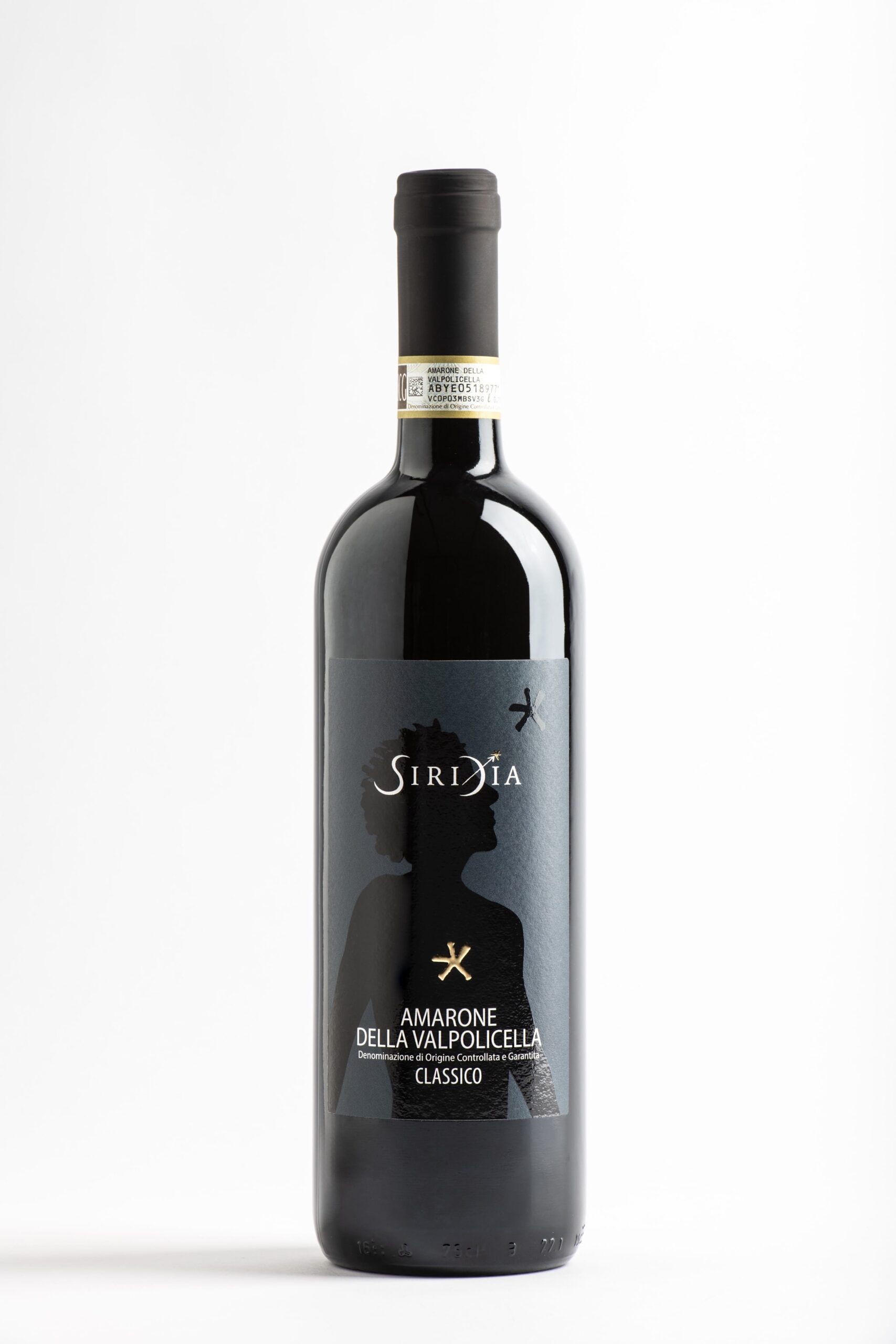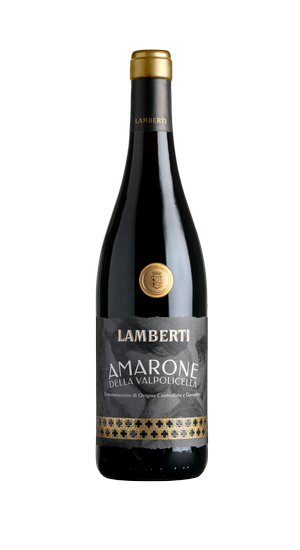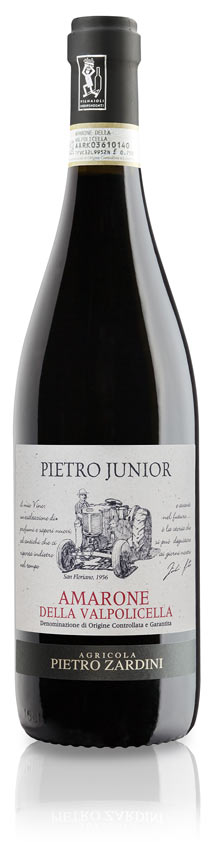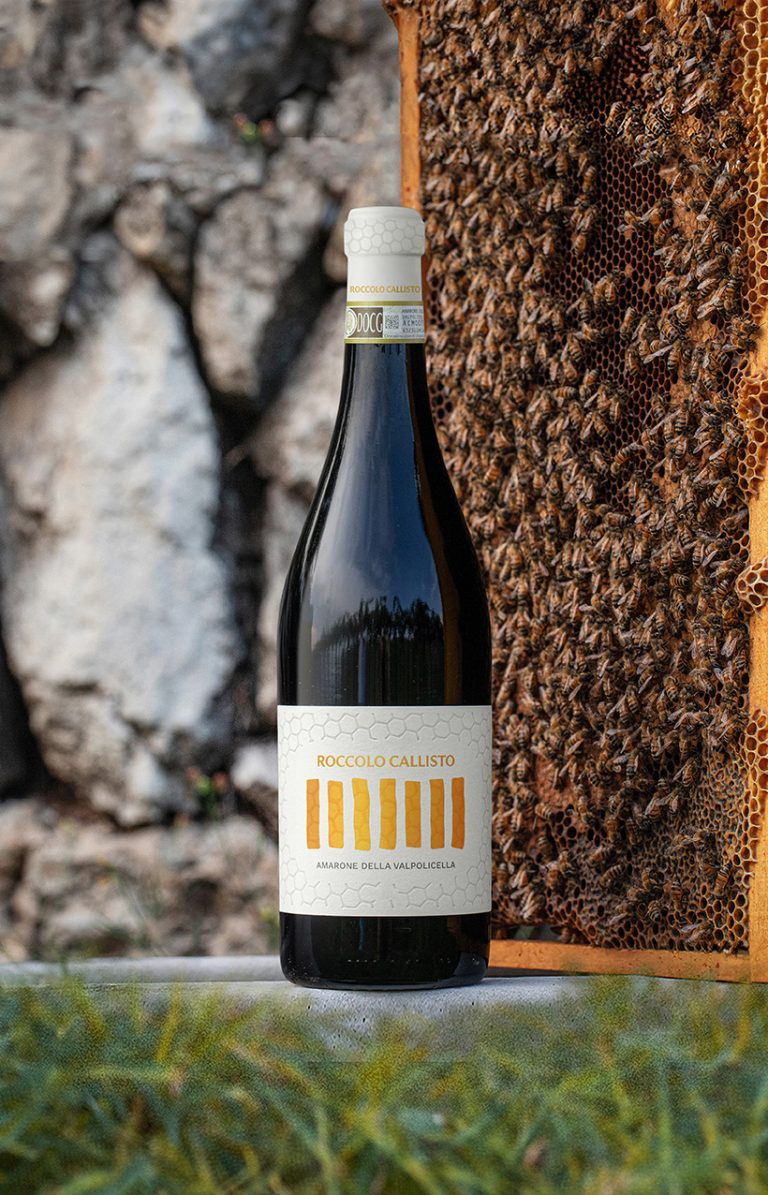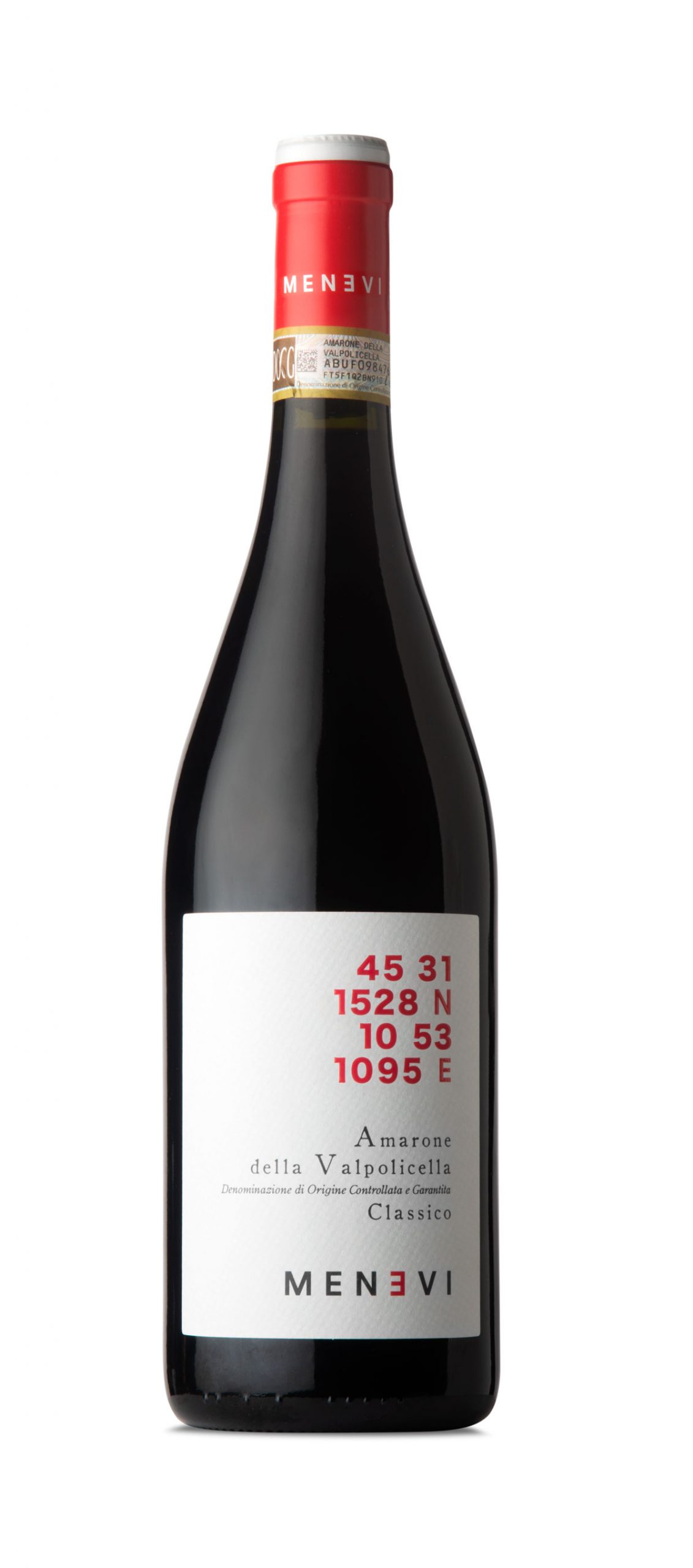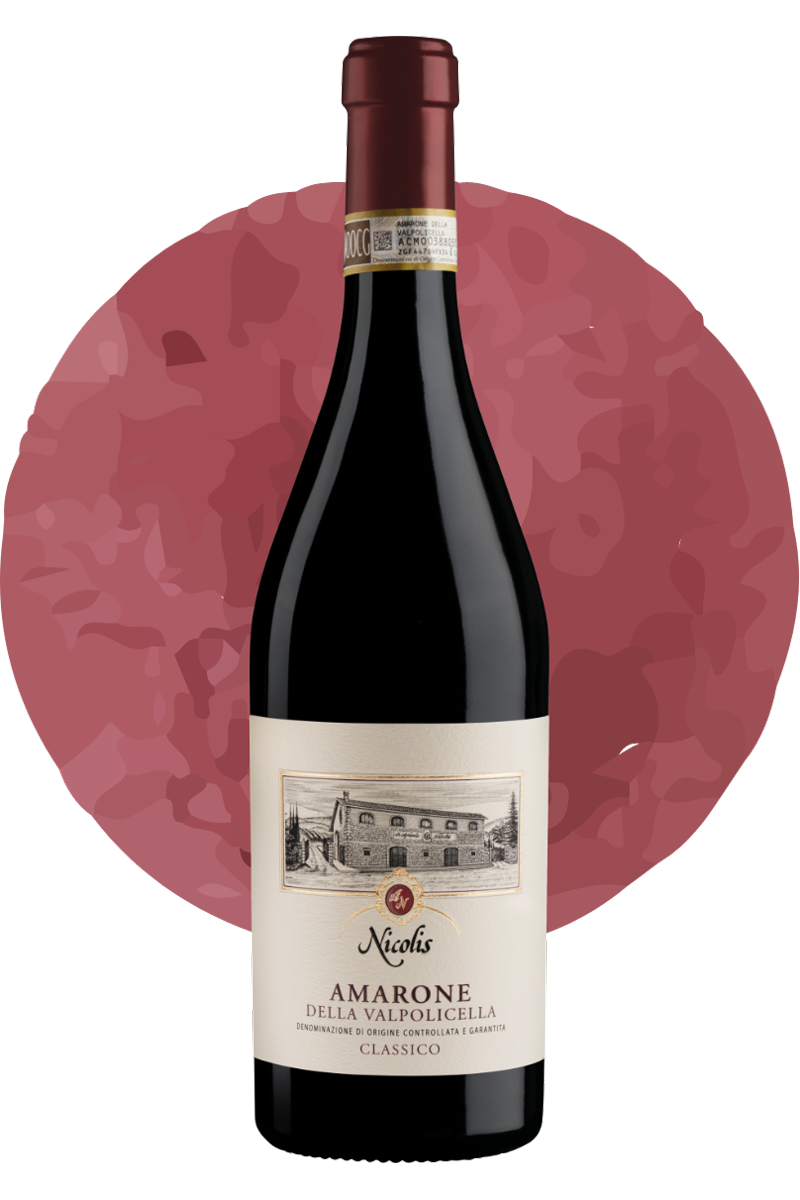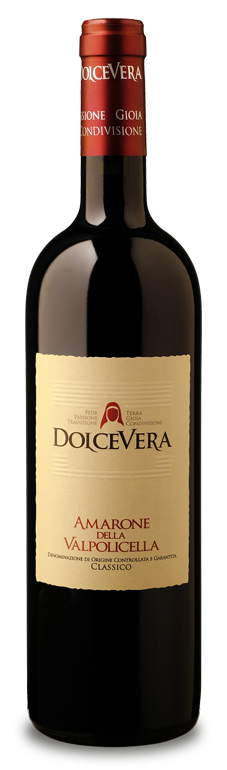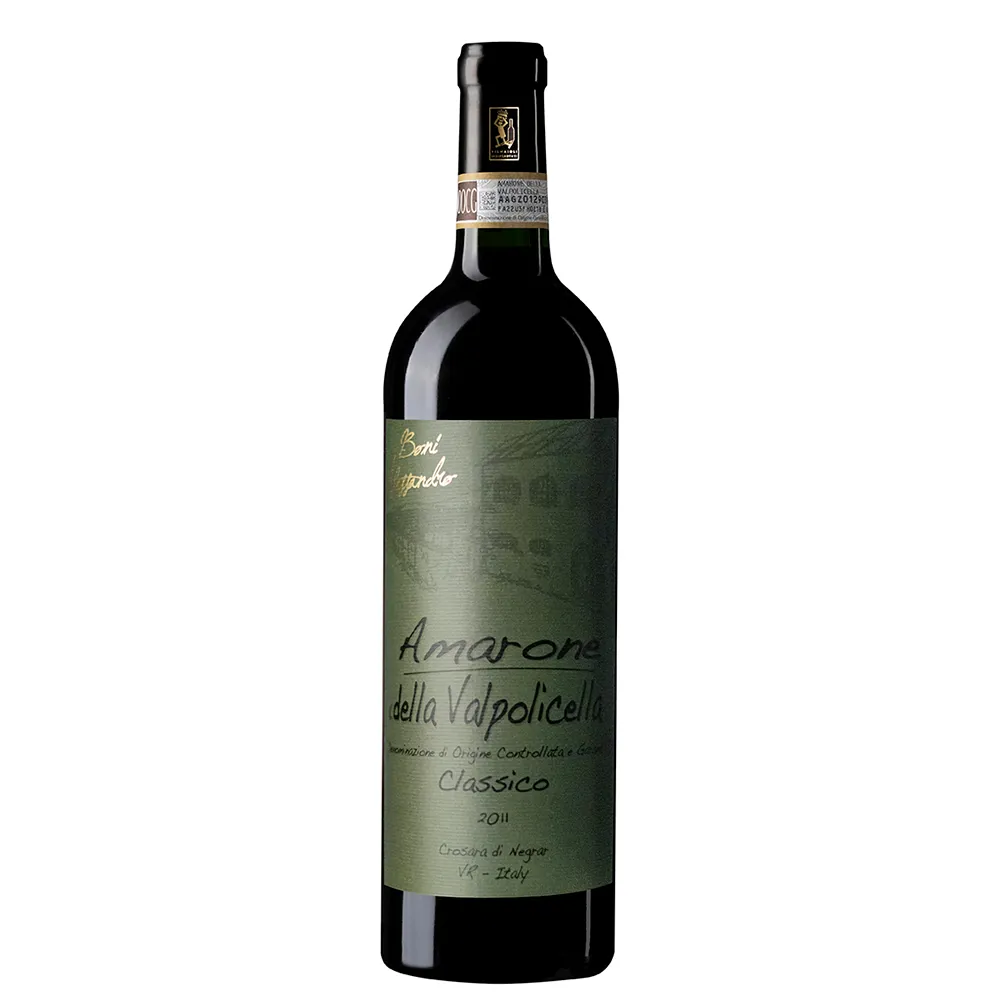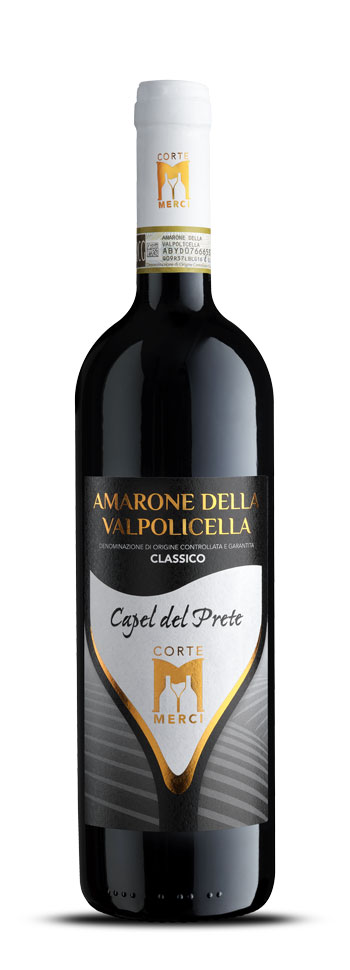


Amarone is made by appassimento. Whole bunches of Corvina, Corvinone and Rondinella are laid out in lofts called fruttai and left to dry for roughly a hundred to a hundred and twenty days, losing between a third and forty per cent of their weight. What remains is concentrated in everything at once: sugar, acid, tannin and extract. Fermented to dryness, it produces a wine of enormous density and typically 15 to 16.5 per cent alcohol, with a legal minimum of 14.
The name records an accident. The historic wine of these hills was Recioto della Valpolicella, sweet, made the same way but with fermentation halted while sugar remained. Amarone is the version where fermentation was allowed to run to completion — amaro, bitter, meaning simply not sweet. For a long time it was regarded as a spoiled Recioto. It became a DOCG in its own right in 2010.
The blend is regulated rather than fixed: Corvina from 45 to 95 per cent, with Corvinone permitted to replace up to half of it, and Rondinella from 5 to 30. Minimum aging is two years, four for Riserva. The Classico designation points to the five original communes in the western valleys — Fumane, Marano, Negrar, San Pietro in Cariano and Sant'Ambrogio di Valpolicella.
A practical note: the drying concentrates sugar so thoroughly that many Amarone finish with a few grams of residual sugar simply because the yeasts give up. That faint sweetness on the finish is normal, not a fault, and it is part of why the wine handles roasted meat and hard aged cheese so easily.