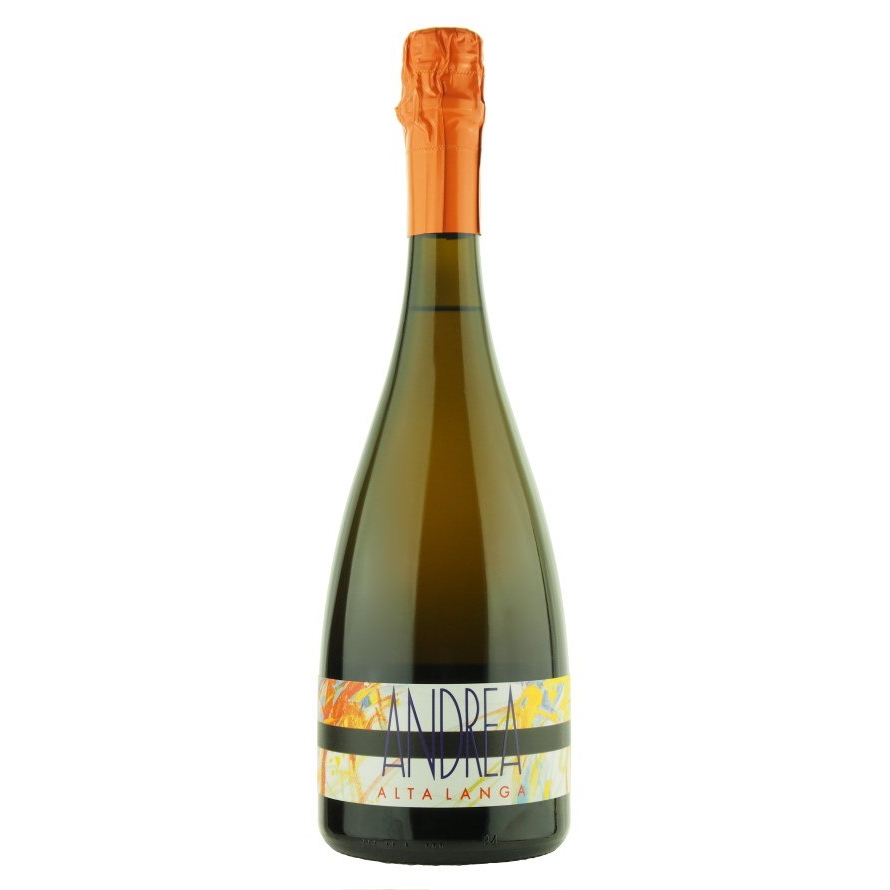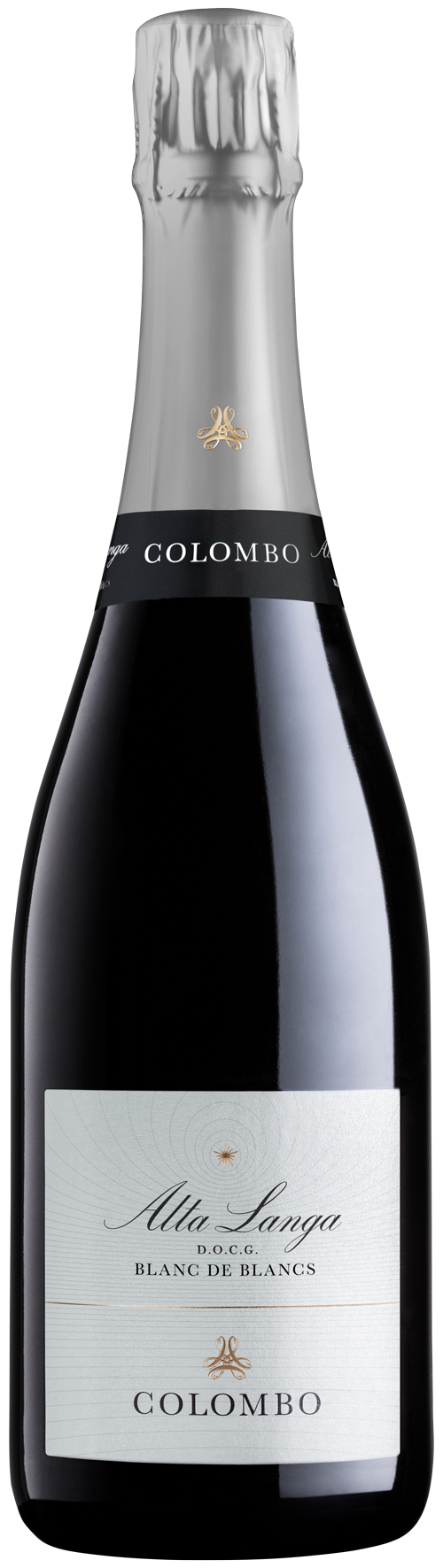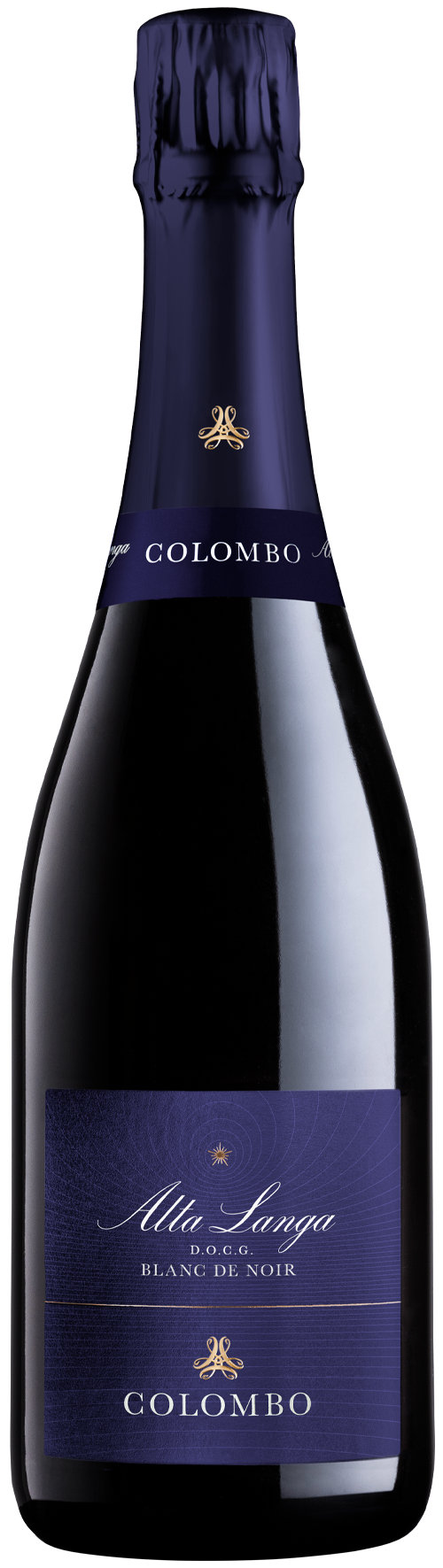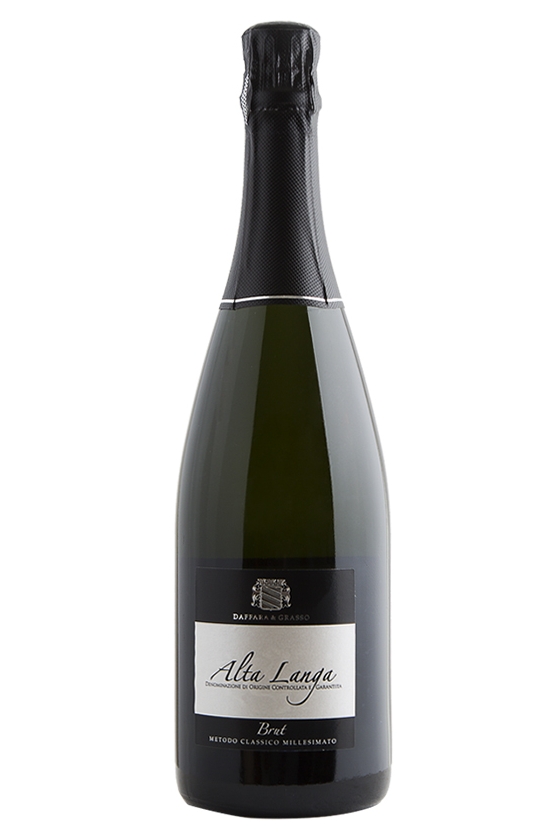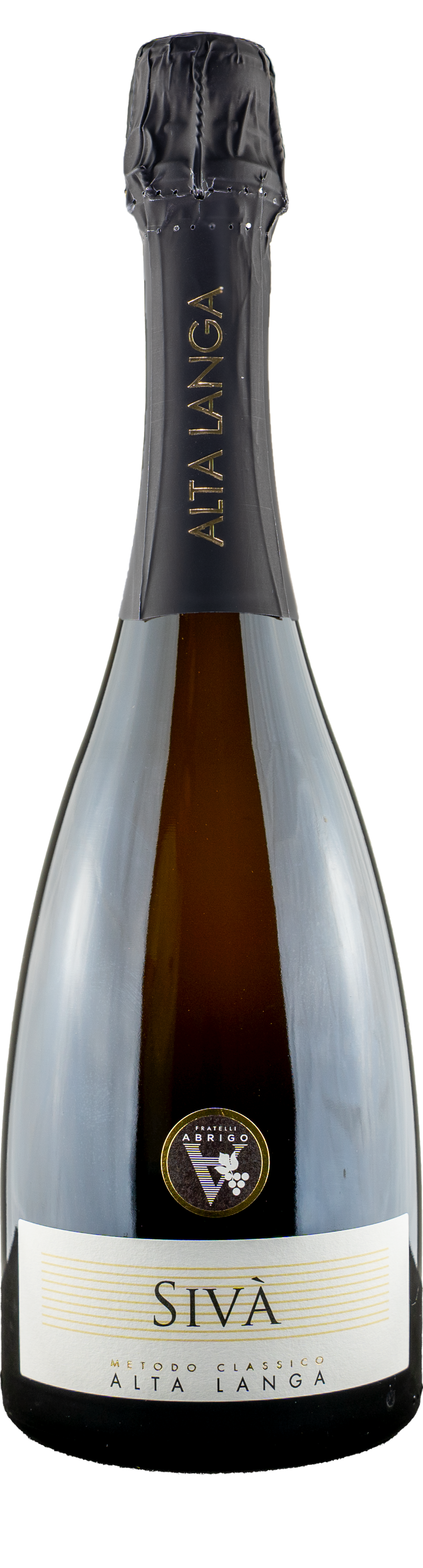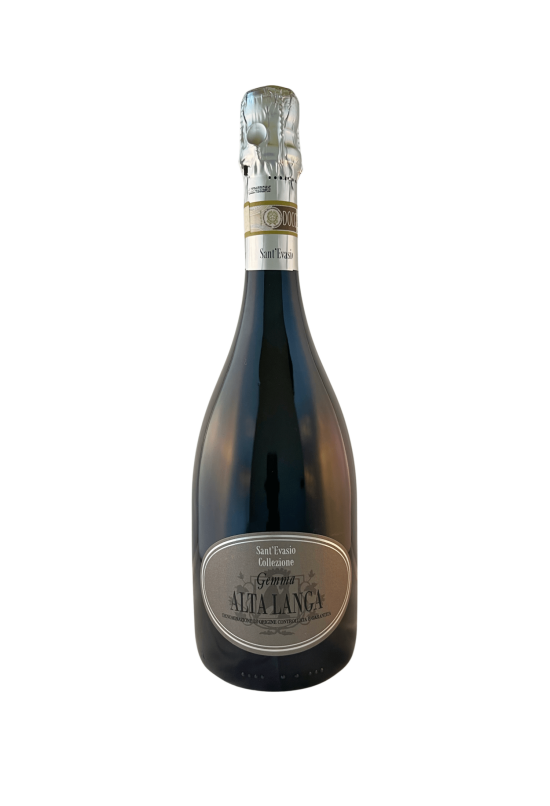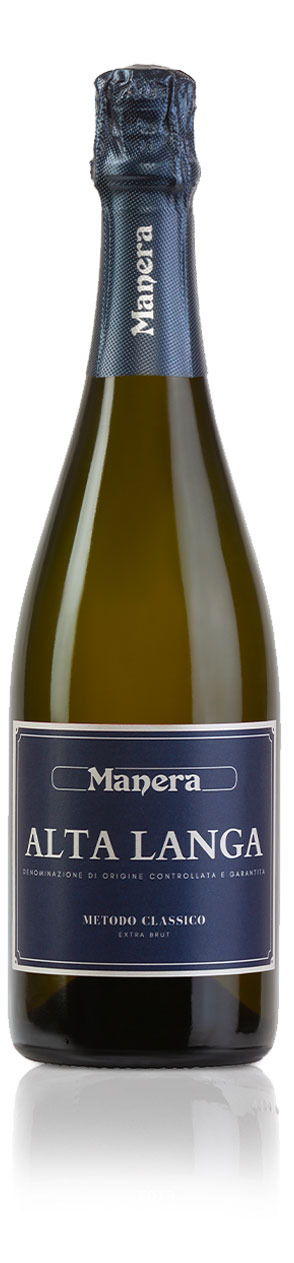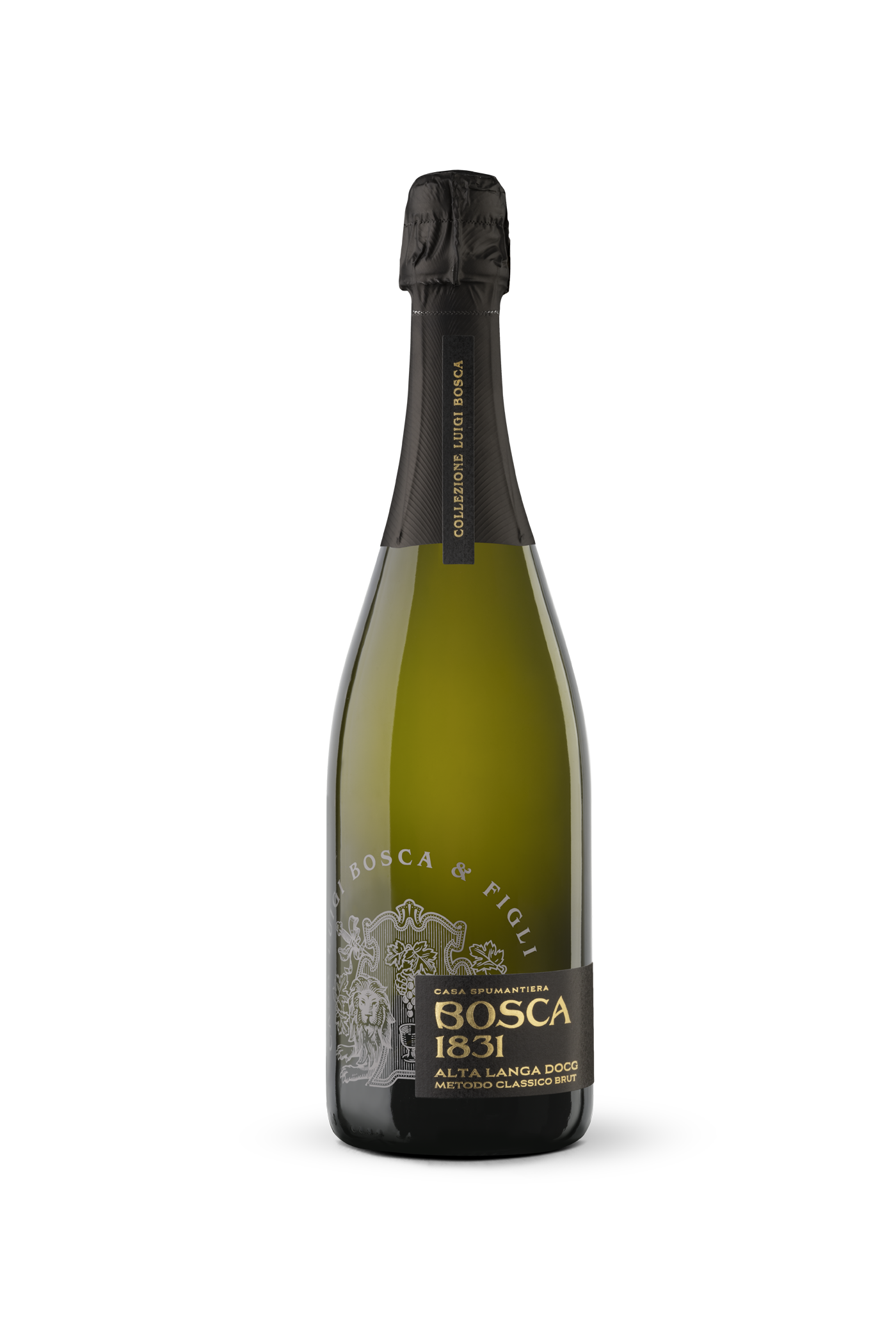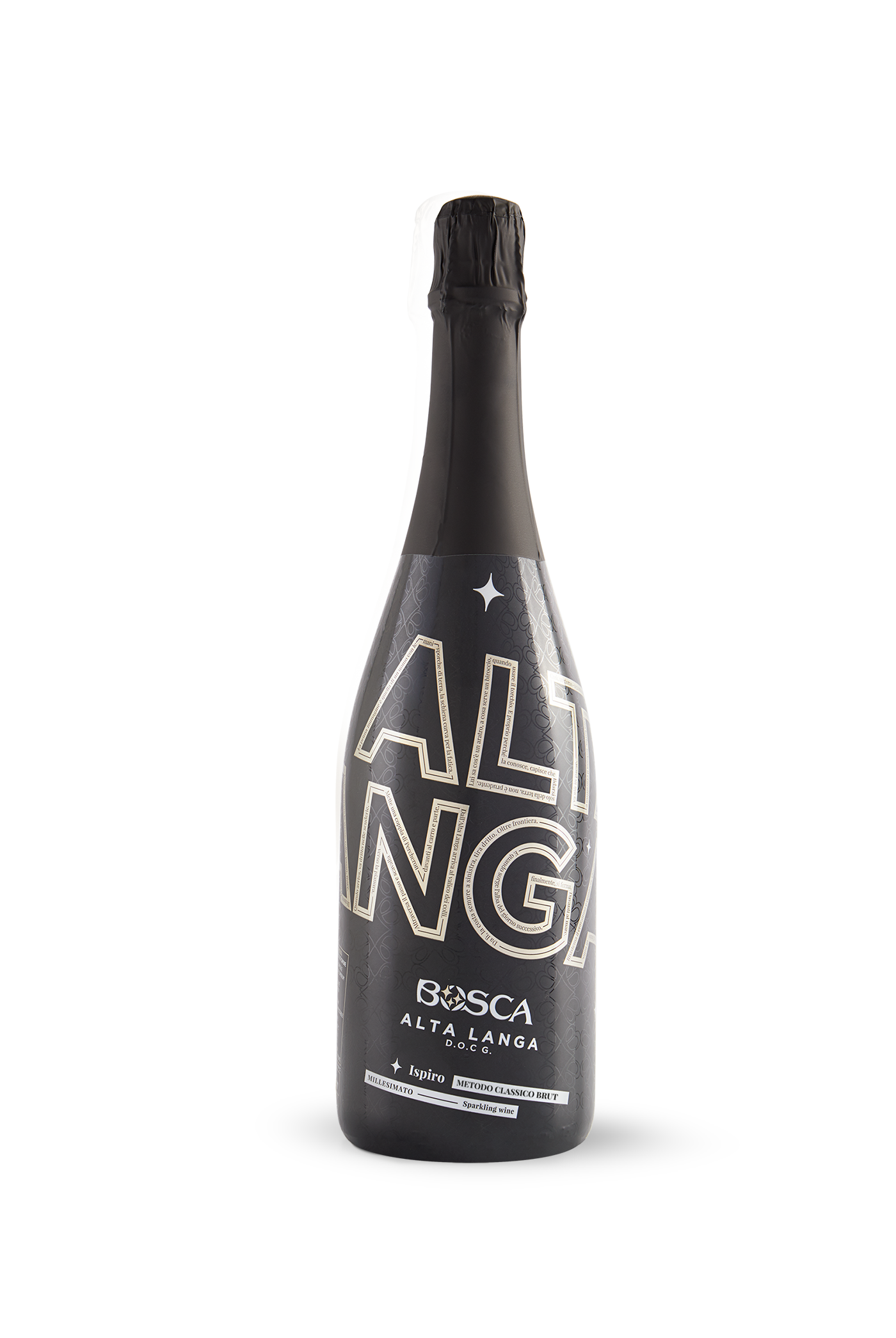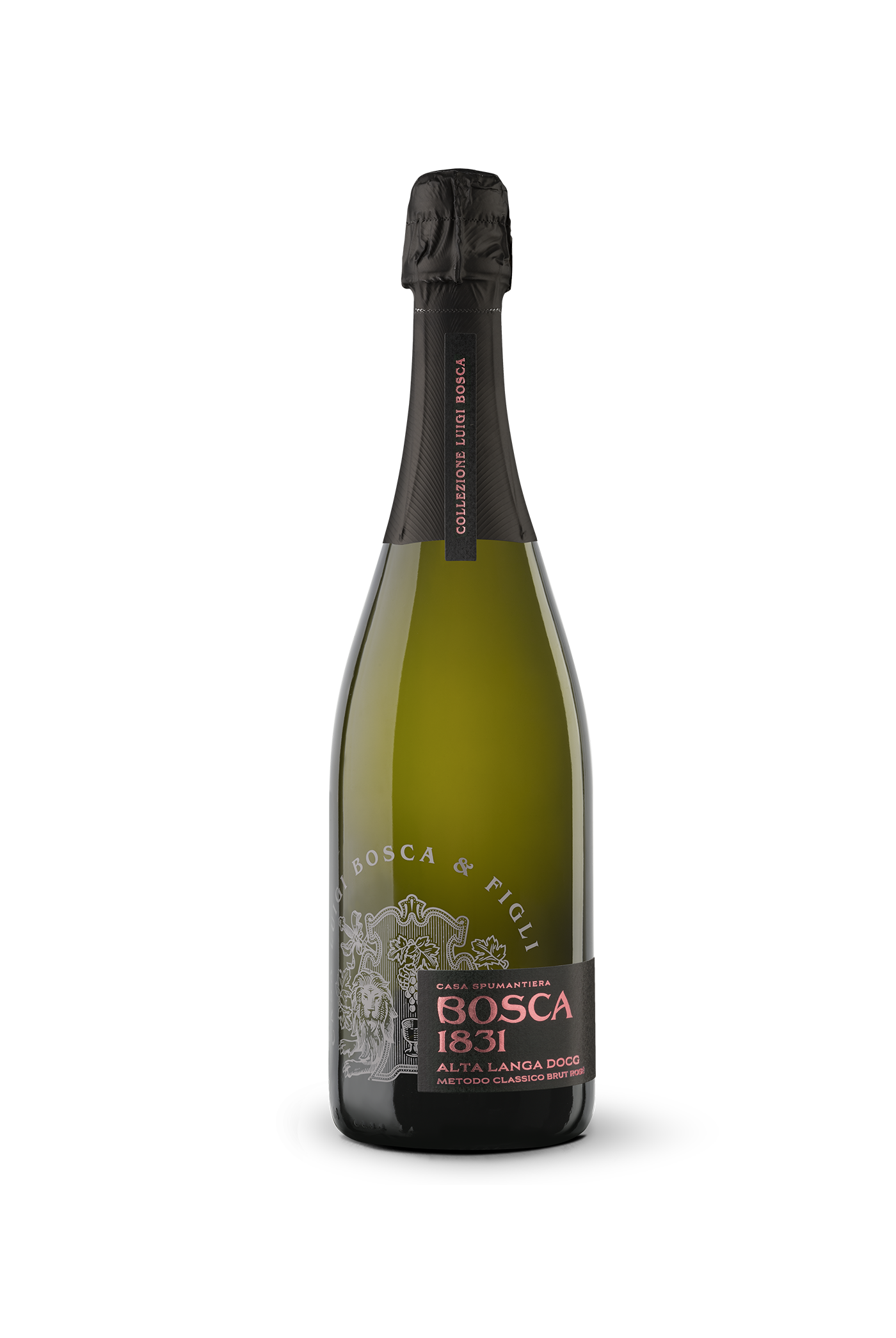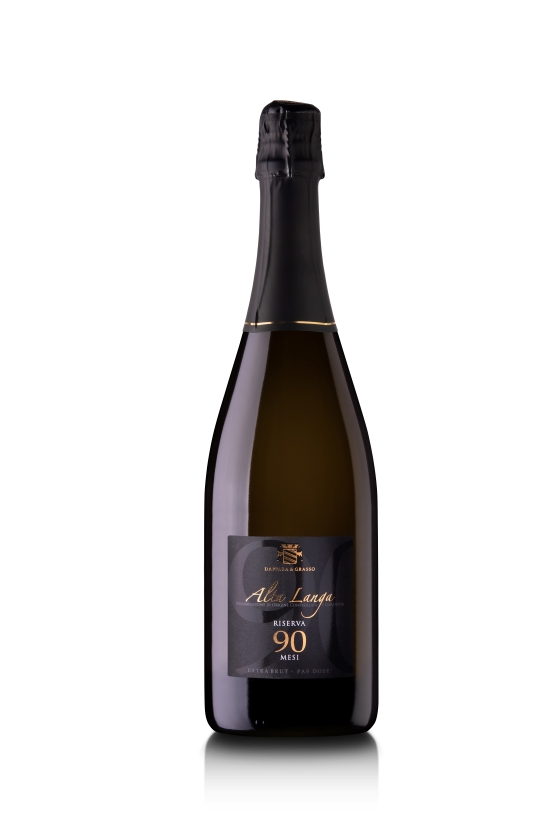


Italian sparkling wine begins in Piedmont. In 1865 Carlo Gancia produced Italy's first dry sparkling wine with a second fermentation in bottle at Canelli, following the French model. Yet the appellation that recognises that tradition, Alta Langa, arrived only in 2002 as a DOC and 2011 as a DOCG — long after Franciacorta.
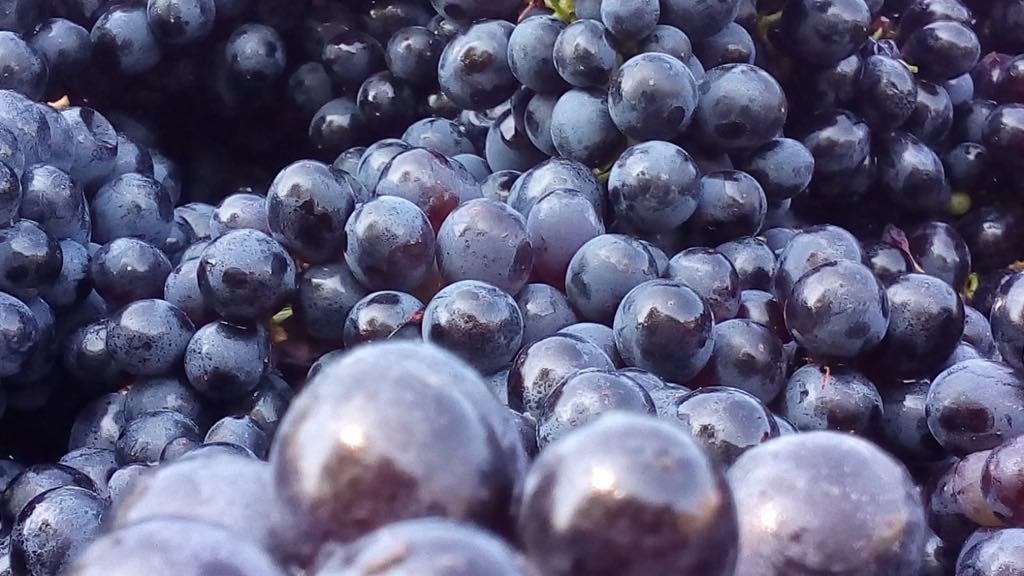
Its rules are among the strictest in Italy. Chardonnay and Pinot Nero, alone or together, must account for at least 90 per cent. Vineyards must sit above 250 metres, on the higher, colder hills across Cuneo, Asti and Alessandria. Every bottle must carry a vintage: there is no non-vintage Alta Langa, which is rare in the sparkling world. Lees aging is a minimum of thirty months, sixty for Riserva.
Altitude and marl soils give wines of marked acidity and a vertical profile, often more austere and less immediately charming than a Franciacorta. It is a small appellation with modest volumes and it has to be sought out; anyone who likes taut, low-dosage sparkling wine will find some of Italy's most convincing bottles here.